
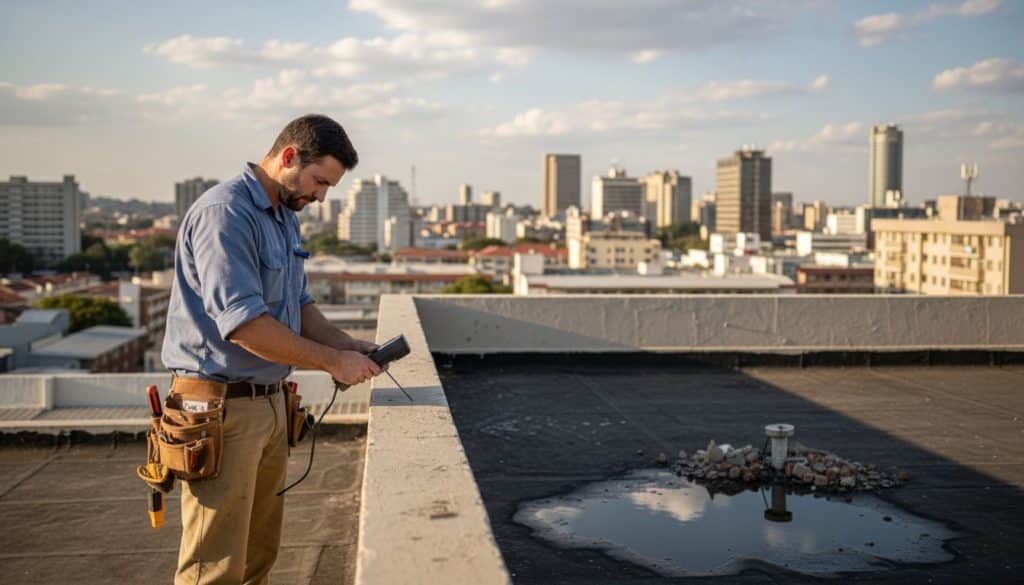
Every british property owner in South Africa faces a unique challenge when it comes to moisture control. With over 60 percent of structural damage in this region linked to undetected water infiltration, the stakes for property value and safety run high. Understanding what a waterproofing inspection entails can be the difference between a protected investment and costly repairs. This article demystifies key inspection processes, highlights common risk factors, and offers guidance for effective waterproofing maintenance.
Table of Contents
- Defining Waterproofing Inspection In South Africa
- Types Of Waterproofing Inspections And Methods
- What Inspectors Assess During Evaluations
- Common Problems Found In South African Properties
- Financial And Structural Impacts Of Missing Inspections
Key Takeaways
| Point | Details |
|---|---|
| Comprehensive Inspection | Waterproofing inspections provide a thorough assessment of moisture vulnerabilities that can compromise building integrity. |
| Preventative Strategy | Regular inspections help identify moisture-related problems early, preventing costly structural damage and preserving property value. |
| Diagnostic Techniques | Various advanced methods, such as thermal imaging and moisture metres, are employed to accurately assess and mitigate water penetration risks. |
| Financial Implications | Neglecting inspections can lead to increased repair costs and reduced property value due to unchecked moisture damage. |
Defining Waterproofing Inspection in South Africa
A waterproofing inspection represents a comprehensive professional assessment designed to evaluate moisture vulnerability and potential structural risks within buildings. Understanding waterproofing techniques requires recognising the complex interactions between building materials, environmental conditions, and potential moisture intrusion pathways.
In South Africa, waterproofing inspections typically focus on identifying three primary moisture-related challenges. Damp-related issues include penetrating damp from external leaks, rising damp caused by compromised damp proof courses, and condensation resulting from inadequate ventilation systems. Professional inspectors methodically examine exterior wall coverings, roof structures, plumbing systems, and foundational elements to detect potential moisture vulnerabilities.
The inspection process involves multiple critical evaluation stages. Trained specialists conduct thorough visual assessments, utilising advanced diagnostic tools to measure moisture content, identify potential entry points, and assess structural integrity. These comprehensive evaluations help property owners understand potential risks, prevent long-term structural damage, and develop targeted waterproofing strategies that align with South African building standards and regulations.
Key components of a professional waterproofing inspection typically include:
- Detailed exterior wall surface examination
- Comprehensive roof system assessment
- Plumbing infrastructure evaluation
- Moisture content measurement using specialised equipment
- Identification of potential water infiltration pathways
- Analysis of existing waterproofing membrane conditions
Types of Waterproofing Inspections and Methods
Waterproofing inspections encompass multiple sophisticated techniques designed to assess and prevent moisture penetration across different building environments. Understanding waterproofing methods requires comprehensive knowledge of specialised assessment approaches tailored to specific structural contexts.
Professional waterproofing inspections typically utilise several key methodological approaches, including liquid membrane applications, bitumen waterproofing evaluations, and sheet membrane assessments. These techniques allow inspectors to systematically analyse existing waterproofing systems, identifying potential vulnerabilities and recommending targeted interventions that protect structural integrity.
Each inspection method serves distinct diagnostic purposes. Visual assessments provide initial insights into surface-level moisture risks, while advanced technological tools like moisture metres and infrared cameras enable deeper structural analysis. Inspectors meticulously examine critical areas such as foundations, roof structures, exterior walls, and underground spaces to comprehensively map potential water infiltration pathways.
Key waterproofing inspection methods include:
- Non-destructive surface scanning
- Moisture content measurement
- Thermal imaging analysis
- Electrical resistance testing
- Ultrasonic thickness assessment
- Comprehensive visual documentation
The goal of these rigorous inspection techniques is to create a holistic understanding of a building’s moisture protection capabilities, enabling property owners to implement proactive maintenance strategies before significant structural damage occurs.
What Inspectors Assess During Evaluations
Waterproofing inspections involve comprehensive assessments targeting multiple critical structural components. Systematic evaluation techniques enable professionals to identify potential moisture vulnerabilities across various building systems.
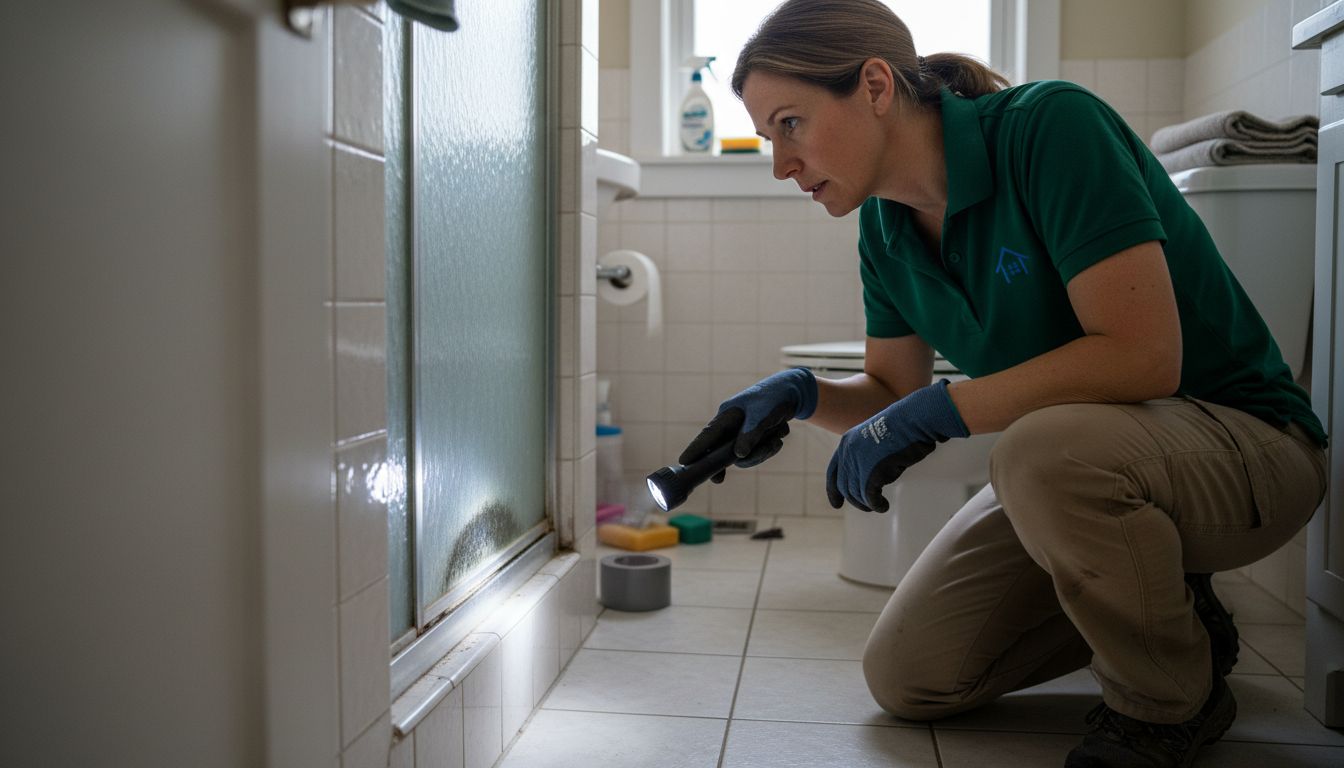
Inspectors meticulously examine key architectural elements to detect moisture-related risks. Building diagnostic processes focus on identifying three primary moisture challenges: penetrating damp from external leaks, rising damp caused by compromised damp proof courses, and condensation resulting from inadequate ventilation systems. These assessments encompass detailed investigations of roof coverings, drainage systems, interior water distribution networks, and structural penetration points.
The evaluation process involves a multi-layered approach to moisture detection. Professional inspectors utilise advanced diagnostic tools to assess structural integrity, including moisture metres, thermal imaging cameras, and non-destructive scanning technologies. They systematically analyse critical areas such as foundations, exterior walls, underground spaces, roof structures, and internal plumbing systems to comprehensively map potential water infiltration pathways.
Key areas thoroughly examined during waterproofing inspections include:
- Roof coverings and potential leak points
- External wall surface conditions
- Foundation structural integrity
- Drainage and water disposal systems
- Interior plumbing infrastructure
- Ventilation system effectiveness
- Potential structural crack formations
- Underground moisture barriers
Through these rigorous assessment techniques, inspectors provide property owners with critical insights into potential moisture-related risks, enabling proactive maintenance and preventing long-term structural damage.
Common Problems Found in South African Properties
South African properties frequently encounter complex moisture-related challenges that can compromise structural integrity and inhabitant health. Waterproofing failures represent significant risks that demand immediate professional attention and strategic intervention.
The most prevalent moisture-related issues include penetrating damp, rising damp, and condensation problems. Penetrating damp typically originates from roof or plumbing leaks, progressively weakening structural materials and creating potential breeding grounds for mould and fungal growth. Rising damp emerges when compromised damp proof courses fail to prevent ground moisture from travelling upward through wall structures, causing progressive structural deterioration and aesthetic damage.
Environmental factors unique to South Africa’s diverse climate zones exacerbate these moisture challenges. Regions experiencing high humidity, frequent rainfall, or extreme temperature variations are particularly susceptible to waterproofing complications. Professional inspectors must carefully assess structural vulnerabilities, paying close attention to building age, construction materials, and localised environmental conditions that might accelerate moisture penetration.
Critical moisture-related problems commonly discovered during property inspections include:
- Roof membrane degradation
- Compromised foundation waterproofing
- Inadequate exterior wall protection
- Blocked or damaged drainage systems
- Structural crack formations
- Geyser and plumbing leak risks
- Ineffective ventilation leading to condensation
- Underground moisture barrier failures
Addressing these issues promptly can prevent extensive structural damage, protect property value, and ensure long-term building resilience against moisture-related deterioration.
Financial and Structural Impacts of Missing Inspections
Neglecting waterproofing inspections can result in catastrophic financial consequences for property owners. Waterproofing failures often escalate from minor moisture issues into extensive structural damage that can dramatically reduce property values and require substantial investment to remediate.
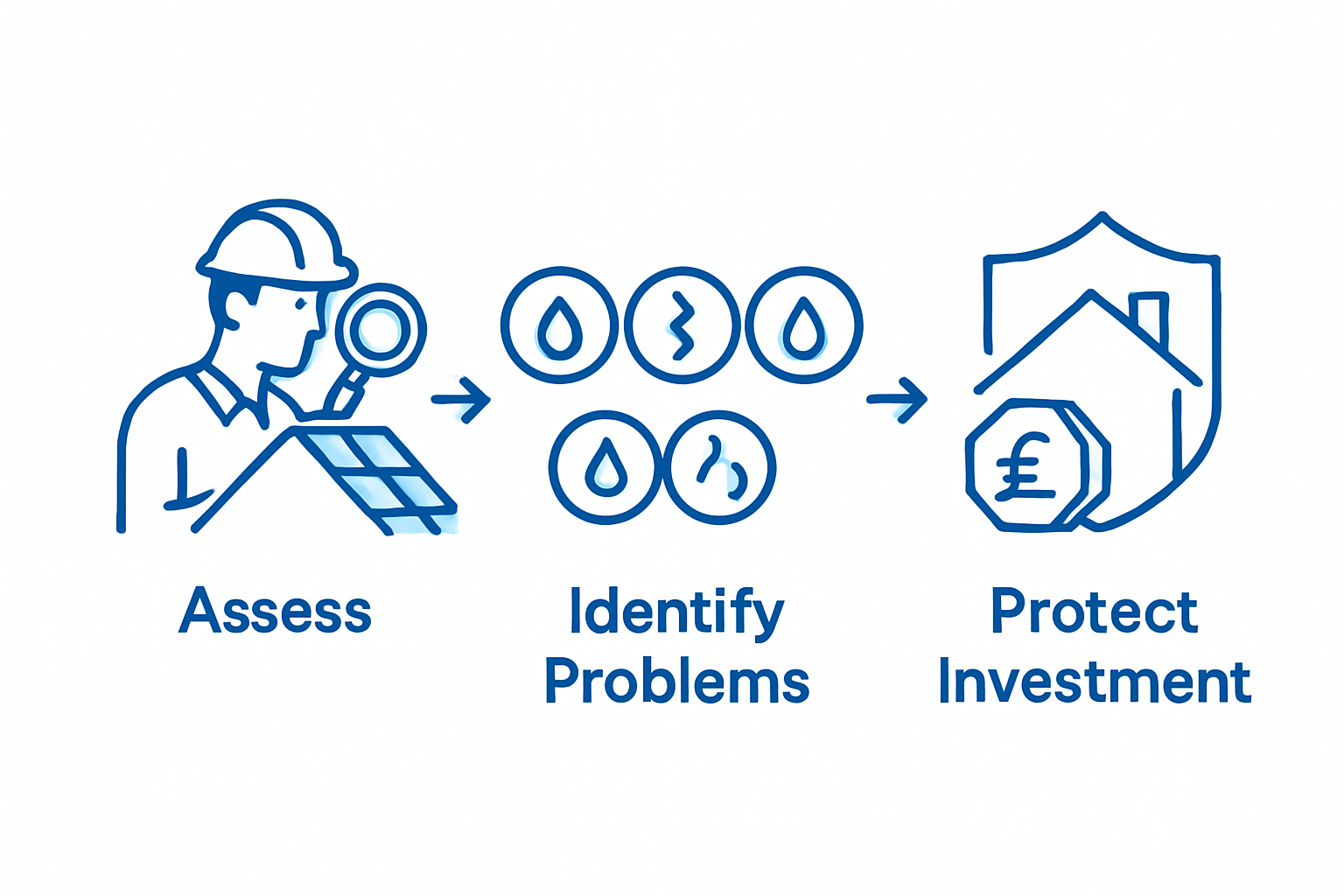
The financial implications of postponing professional waterproofing assessments extend far beyond immediate repair costs. Undetected moisture penetration can compromise foundational integrity, cause progressive structural degradation, and create environments conducive to mould proliferation. These complications can lead to exponential repair expenses, potentially reducing property market value by up to 25% and necessitating comprehensive structural interventions.
Structural risks associated with missed inspections are particularly pronounced in regions with challenging environmental conditions. Moisture-related deterioration can compromise load-bearing structures, weaken building materials, and create potential safety hazards that extend well beyond cosmetic concerns. Professional waterproofing assessments serve as critical preventative measures that identify and mitigate potential structural vulnerabilities before they escalate.
Key financial and structural risks of avoiding waterproofing inspections include:
- Accelerated structural material degradation
- Compromised building foundation stability
- Increased potential for extensive structural repairs
- Significant reduction in property market value
- Higher long-term maintenance and restoration costs
- Potential health risks from mould and fungal growth
- Decreased property insurance viability
- Potential legal liabilities from structural failures
Proactive investment in regular waterproofing inspections represents a strategic approach to protecting both financial assets and structural integrity, ultimately saving property owners substantial resources and preventing catastrophic damage.
Protect Your Property with Expert Waterproofing Inspections
Understanding what a waterproofing inspection entails and why it matters is the first step in defending your South African property against costly moisture damage. This article showed how identifying penetrating damp, rising damp and condensation early can save you from structural decay and expensive repairs. At Pro Waterproofing, we specialise in comprehensive waterproofing assessments that uncover hidden risks such as compromised membranes, faulty drainage and ineffective ventilation before they jeopardise your building’s integrity.
Don’t wait for moisture problems to escalate and threaten your investment. Explore our Uncategorized – Pro Waterproofing resources and rely on Pro Waterproofing for trusted solutions tailored to South African climates. Visit us today to request your professional waterproofing inspection, gain peace of mind, and protect your property’s value with expert care.
Frequently Asked Questions
What is a waterproofing inspection?
A waterproofing inspection is a comprehensive assessment carried out by professionals to evaluate a building’s vulnerability to moisture and potential structural risks.
Why are waterproofing inspections important?
Waterproofing inspections are crucial because they help identify moisture-related issues early, preventing long-term structural damage and protecting property value.
What are the common problems identified in waterproofing inspections?
Common problems include penetrating damp, rising damp, condensation, compromised waterproofing membranes, and inadequate drainage systems.
How often should waterproofing inspections be conducted?
It is recommended to conduct waterproofing inspections regularly, especially before and after extreme weather events or if you suspect any moisture-related problems.