

Most advice about waterproofing often overlooks how unpredictable Gauteng’s climate can be for concrete roof slabs. Homeowners face threats from heavy rainfall, wild temperature shifts, and moisture damage that are just as troublesome in British weather as they are in South African homes. With over 60 percent of residential leaks traced back to poor slab waterproofing, understanding key protection strategies helps you prevent costly repairs and ongoing structural issues.
Table of Contents
- Roof Slab Waterproofing Explained for Homeowners
- Main Waterproofing Methods for Roof Slabs
- Common Issues and Warning Signs to Note
- Choosing Qualified Waterproofing Contractors
- Costs, Guarantees, and Key Legal Standards
Key Takeaways
| Point | Details |
|---|---|
| Importance of Waterproofing | Proper roof slab waterproofing is essential to protect homes from moisture damage and structural issues, especially in Gauteng’s climate. |
| Professional Assessment | Homeowners should seek professional evaluations to identify unique roof vulnerabilities and tailor waterproofing strategies accordingly. |
| Warning Signs of Failure | Early detection of issues such as water stains or hairline cracks can prevent extensive damage and costly repairs. |
| Selecting Qualified Contractors | Choosing experienced waterproofing contractors is crucial; verify credentials and obtain detailed quotes to ensure effective waterproofing solutions. |
Roof Slab Waterproofing Explained for Homeowners
Roof slab waterproofing protects your home from moisture damage, which can cause significant structural problems in Gauteng’s diverse climate. When water penetrates concrete roof slabs, it can lead to serious deterioration, mould growth, and potential foundational issues that compromise your property’s integrity. Understanding why waterproof roofs matter starts with recognising the unique challenges South African homeowners face.
The waterproofing process involves applying specialised membranes and sealants directly to the concrete roof surface, creating an impenetrable barrier against water infiltration. These protective layers must withstand extreme temperature variations, heavy rainfall, and potential structural movements common in Gauteng’s geological landscape. Professional application requires precise surface preparation, including cleaning, repairing minor cracks, and ensuring proper gradient for water runoff.
Key considerations for effective roof slab waterproofing include selecting appropriate materials resistant to UV radiation and thermal expansion, understanding substrate conditions, and implementing comprehensive drainage solutions. Homeowners should prioritise professional assessment to identify specific vulnerabilities in their roof structure, as each property presents unique challenges requiring tailored waterproofing strategies.
Pro Tip: Conduct annual roof inspections before the rainy season to identify and address potential waterproofing weaknesses early, preventing costly structural repairs down the line.
Main Waterproofing Methods for Roof Slabs
Roof slab waterproofing in Gauteng requires selecting appropriate methods that can withstand the region’s challenging environmental conditions. Comprehensive waterproofing strategies involve multiple techniques designed to create robust moisture barriers for concrete roof structures. The primary waterproofing methods include liquid-applied membranes, bituminous systems, sheet membranes, and cementitious coatings, each offering unique advantages for different roof configurations.
Liquid-applied membranes provide exceptional flexibility and seamless coverage, forming a continuous protective layer directly on the concrete surface. These systems typically involve polyurethane or acrylic-based solutions that cure into a durable, elastic membrane capable of bridging minor surface cracks. Bituminous systems, alternatively, use modified asphalt-based materials applied through torch-on or cold-applied techniques, creating a dense waterproofing layer particularly effective for flat concrete roof slabs common in South African architecture.
Sheet membranes represent another critical waterproofing approach, utilising pre-manufactured materials like synthetic rubber or modified bitumen that are mechanically secured or adhesive-bonded to the roof substrate. Cementitious coatings offer a rigid, cement-based solution ideal for areas requiring additional structural reinforcement, providing excellent adhesion and resistance to water penetration. Each method demands precise application techniques and careful consideration of substrate conditions, thermal movement, and potential structural vulnerabilities.
Here is a comparison of the main roof slab waterproofing methods suitable for Gauteng homes:
| Method | Durability | Flexibility | Typical Cost per m² |
|---|---|---|---|
| Liquid-applied Membrane | High, up to 15 years | Excellent, bridges cracks | R200 – R400 |
| Bituminous System | Moderate to high | Good, limited | R180 – R350 |
| Sheet Membrane | Very high, up to 20 years | Moderate, depends on seams | R250 – R500 |
| Cementitious Coating | Moderate, rigid | Low, best for stable slabs | R150 – R300 |
Pro Tip: Always consult professional waterproofing specialists who can assess your specific roof slab configuration and recommend the most suitable waterproofing method based on your property’s unique structural characteristics.
Common Issues and Warning Signs to Note
Detecting early signs of roof slab waterproofing failure is crucial for preventing extensive structural damage in Gauteng’s challenging climate. Critical warning signs of roof deterioration include visible water stains, persistent damp patches, and unexplained mould growth that indicate potential moisture penetration through the concrete roof slab. Homeowners should pay close attention to subtle indicators that might signify underlying waterproofing compromises.
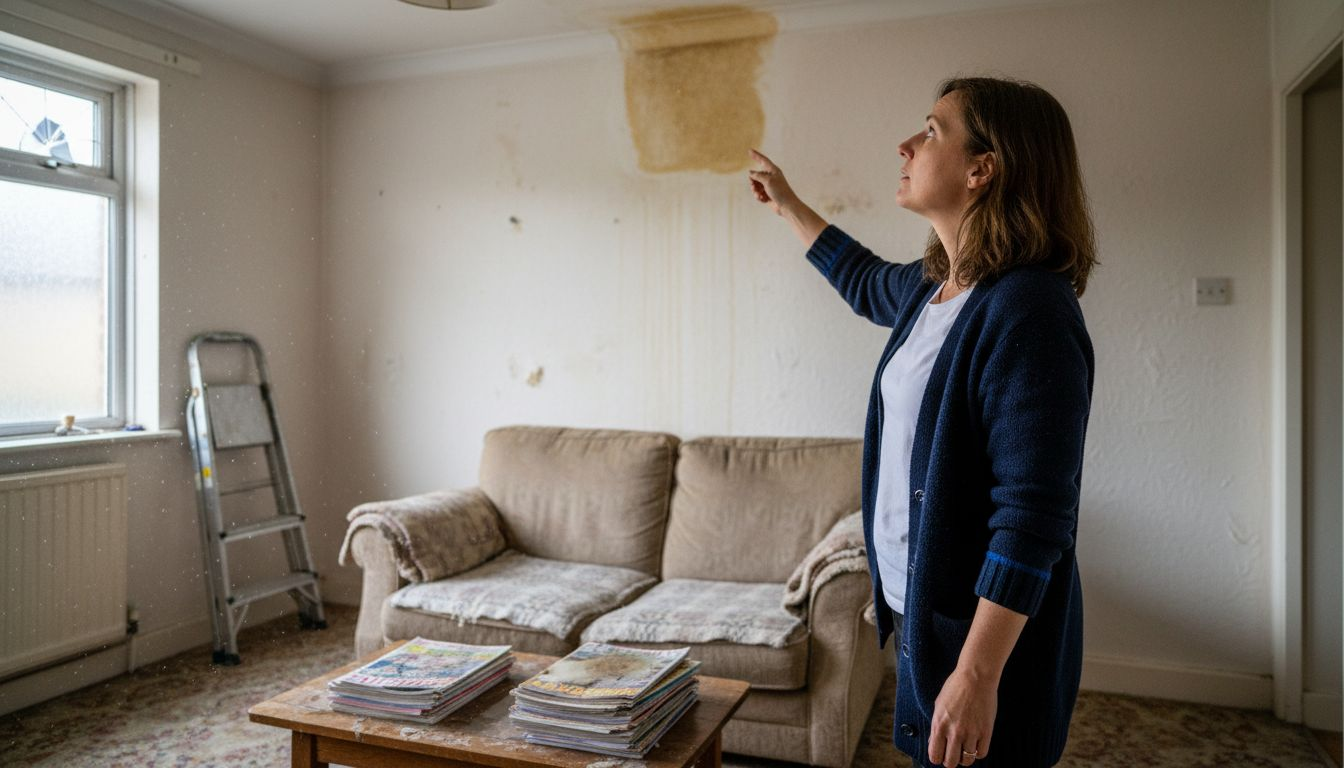
Visible signs of water damage often manifest as discoloured ceiling patches, peeling paint, or brownish water stains that spread incrementally across interior surfaces. Hairline cracks in the concrete slab, especially those wider than 0.3 millimetres, represent significant vulnerabilities that can allow moisture infiltration. Efflorescence – a white, powdery mineral deposit on concrete surfaces – signals water movement through the slab and suggests potential structural moisture problems that require immediate professional investigation.
Structural indicators of waterproofing failure extend beyond surface symptoms. Persistent musty odours, increased indoor humidity levels, and unexplained temperature variations can suggest hidden moisture problems within roof structures. Thermal imaging and professional moisture mapping techniques can reveal concealed water infiltration points that are not immediately visible to the naked eye. Specific areas of concern include roof joints, penetration points for electrical or plumbing systems, and regions with potential structural movement or settlement.
The following table summarises key warning signs of roof slab waterproofing failure and their potential risks:
| Warning Sign | Possible Cause | Potential Risk |
|---|---|---|
| Ceiling water stains | Membrane breakdown | Structural weakening |
| Persistent musty odour | Hidden moisture ingress | Mould growth |
| Efflorescence deposits | Water migration in concrete | Concrete deterioration |
| Hairline cracks >0.3mm | Structural movement | Leak development |
Pro Tip: Conduct comprehensive roof inspections during the dry season, allowing specialists to identify and address potential waterproofing weaknesses before the rainy period begins, potentially saving thousands in potential repair costs.
Choosing Qualified Waterproofing Contractors
Selecting the right waterproofing contractor represents a critical decision for protecting your property’s structural integrity in Gauteng’s challenging environmental conditions. Comprehensive guide to selecting waterproofing contractors emphasises the importance of thoroughly vetting potential professionals before entrusting them with your roof slab waterproofing project.
Qualified waterproofing contractors should demonstrate several key characteristics that distinguish them from less experienced operators. Professional credentials such as industry certifications, documented training in specialised waterproofing techniques, and verifiable experience with concrete roof slab projects in Gauteng are essential evaluation criteria. Homeowners should request comprehensive portfolios showcasing previous work, including detailed case studies that highlight successful waterproofing interventions in similar architectural contexts.
Beyond technical qualifications, reputable waterproofing contractors must provide transparent documentation including comprehensive insurance coverage, valid professional indemnity, and detailed written quotes that outline specific methodologies, materials, and projected outcomes. Potential clients should scrutinise contractor references, verify their track record with local building associations, and confirm their familiarity with regional building regulations and environmental challenges specific to South African construction standards.
Pro Tip: Request multiple detailed quotes, compare their technical approaches, and personally inspect previous project references before making a final contractor selection to ensure maximum protection for your property’s roof slab waterproofing investment.
Costs, Guarantees, and Key Legal Standards
Waterproofing roof slabs involves complex financial considerations and legal frameworks that homeowners must carefully navigate to protect their property investments. Questions to clarify contractor responsibilities highlight the importance of understanding comprehensive pricing structures and warranty provisions before committing to any waterproofing project in Gauteng.
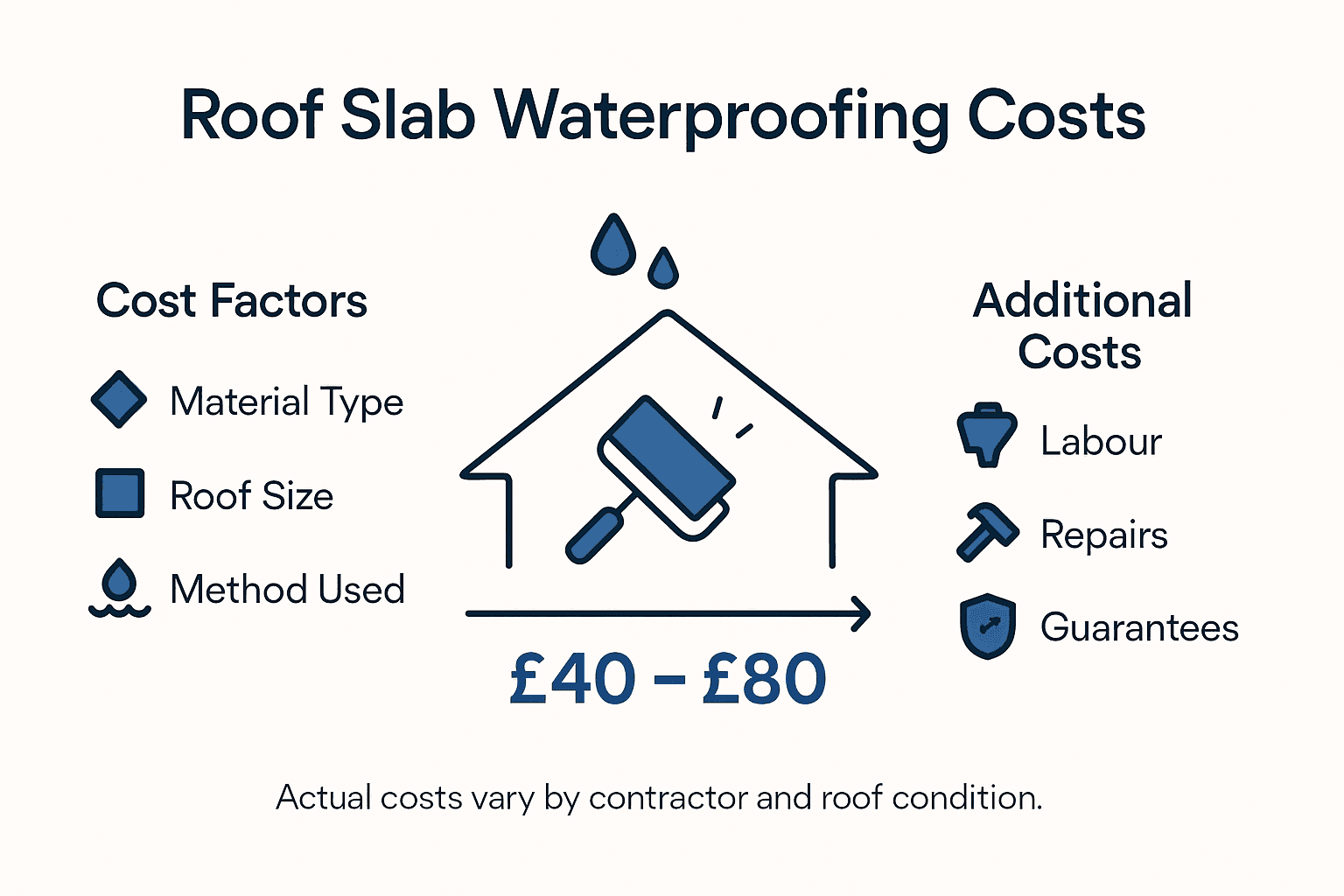
Cost structures for roof slab waterproofing typically range between R150 to R500 per square metre, depending on the complexity of the project, selected materials, and specific site conditions. Professional contractors should provide detailed written quotations that break down labour costs, material expenses, surface preparation requirements, and potential additional interventions. Factors influencing pricing include roof accessibility, existing damage extent, chosen waterproofing methodology, and the specific environmental challenges presented by the property’s location.
Legal standards governing waterproofing contracts in South Africa mandate comprehensive written agreements that explicitly outline project scope, materials specifications, warranty duration, and remediation protocols. Reputable contractors must provide professional indemnity insurance, guarantee workmanship for a minimum of 10 years, and comply with national building regulations. Homeowners should scrutinise contracts for clear performance metrics, detailed maintenance requirements, and explicit clauses addressing potential structural failures or moisture infiltration issues.
Pro Tip: Always request a comprehensive written contract that includes detailed performance guarantees, precise warranty terms, and explicit remediation processes to protect your investment and ensure long-term roof slab protection.
Secure Your Gauteng Home with Expert Roof Slab Waterproofing Solutions
Protecting your roof slab against leaks and moisture is essential to maintaining the structural integrity of your property in Gauteng. If you have noticed warning signs such as water stains, mould growth or hairline cracks larger than 0.3 millimetres this article has highlighted crucial issues you cannot ignore. Proper waterproofing involves selecting the right materials and techniques that consider local climate challenges and roof specifics, ensuring long-term durability and peace of mind.
Uncategorized – Pro Waterproofing offers tailored information and trusted advice for homeowners looking to prevent costly repairs.
Take control now by connecting with professionals who understand the importance of comprehensive roof slab waterproofing in Gauteng. Visit Pro Waterproofing to access expert guidance, request a detailed quote and choose certified contractors who guarantee quality workmanship and full warranties. Do not wait for damage to worsen act today and safeguard your investment with proven solutions.
Frequently Asked Questions
What methods are used for roof slab waterproofing?
The primary methods for roof slab waterproofing include liquid-applied membranes, bituminous systems, sheet membranes, and cementitious coatings. Each method has its unique advantages, such as flexibility or durability, making them suitable for different roof configurations.
How often should I inspect my roof for waterproofing issues?
It is recommended to conduct annual roof inspections, particularly before the rainy season, to identify and address any potential waterproofing weaknesses early on, preventing costly structural repairs later.
What are the signs of waterproofing failure on a roof slab?
Common signs of waterproofing failure include visible water stains on ceilings, persistent damp patches, hairline cracks wider than 0.3mm, and efflorescence (white mineral deposits on concrete surfaces), indicating potential moisture penetration.
How do I choose a qualified waterproofing contractor?
Look for contractors with professional credentials, documented experience in waterproofing techniques, comprehensive portfolios, and transparent insurance coverage. It’s advisable to request multiple quotes and compare their methodologies before making a selection.