
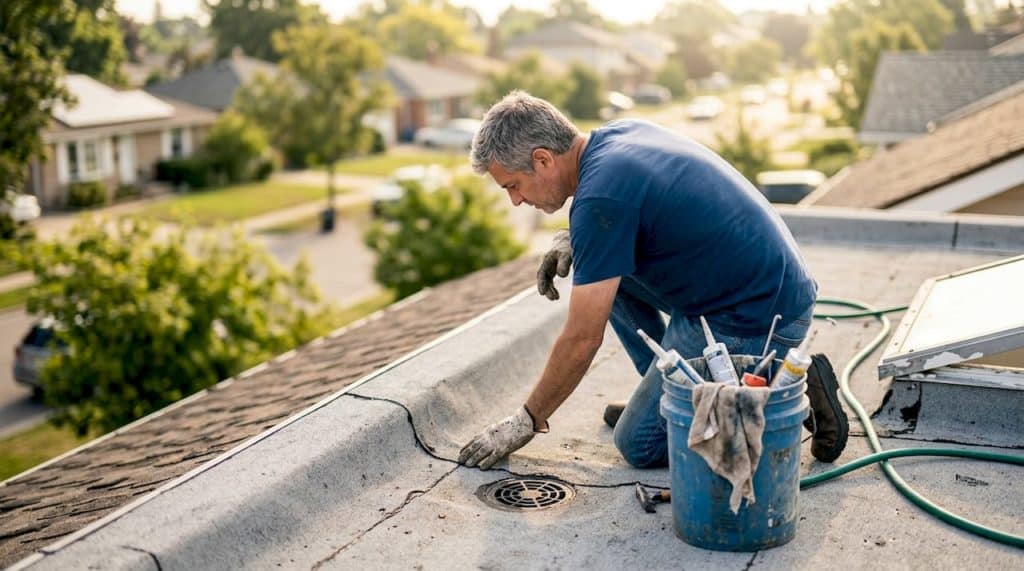
Neglecting your waterproofing system is one of the most expensive mistakes a property owner can make, yet most people only act once they spot a stain on the ceiling or a damp patch on the wall. By that point, the damage is already well underway. Inadequate waterproofing can reduce property value by up to 30%, and the repair bills that follow are rarely small. This guide walks you through why regular waterproofing maintenance matters, what it actually involves, and how to build a routine that protects your investment for the long term.
Table of Contents
- Understanding waterproofing and why it matters
- The real cost of ignoring waterproofing maintenance
- What regular waterproofing maintenance involves
- Compliance, standards, and choosing professionals
- Common pitfalls and how to ensure effective waterproofing maintenance
- Making regular waterproofing maintenance part of property ownership
- Get expert help for lasting waterproofing protection
- Frequently asked questions
Key Takeaways
| Point | Details |
|---|---|
| Value protection | Regular waterproofing upkeep can prevent property value losses of up to 30%. |
| Prevent costly damage | Neglected maintenance leads to expensive repairs and insurance headaches. |
| Easy routine steps | Biannual checks, cleaning drains, and sealing cracks offer strong protection. |
| Compliance matters | South African standards require at least 5 years’ watertight performance with proper care. |
| Call on professionals | Professional inspections ensure compliance and peace of mind. |
Understanding waterproofing and why it matters
Waterproofing is the process of applying protective systems, membranes, coatings, or sealants to surfaces that are exposed to water or moisture. In a residential or commercial building, this covers roofs, basements, balconies, wet rooms, and external walls. The goal is simple: keep water out so that your structure stays sound.
The role in building maintenance is far greater than most owners realise. Water is the single biggest enemy of any structure. It weakens concrete, corrodes steel reinforcement, rots timber, and creates the damp conditions that mould and mildew thrive in. Once water finds a path inside, it rarely stops at one spot.
The hidden risks of neglecting your waterproofing system include:
- Structural decay in walls, slabs, and foundations
- Mould growth that affects indoor air quality and health
- Electrical hazards from water reaching wiring or distribution boards
- Voided insurance claims if poor maintenance is cited as the cause
- Reduced resale value that makes your property harder to sell
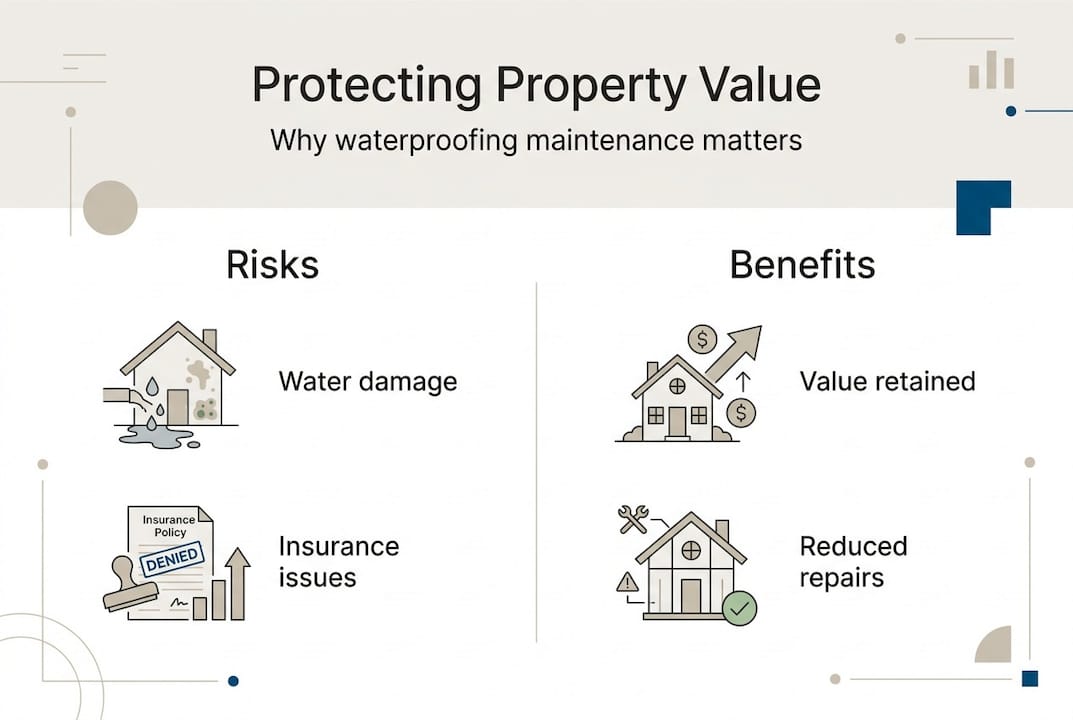
The importance of upkeep cannot be overstated. A property value reduction of up to 30% is not a theoretical figure. It reflects what buyers and valuers actually discount when they see evidence of water damage or deferred maintenance.
“Water damage is not just a cosmetic issue. It signals to any buyer or bank that the building has been poorly managed, and that perception costs you dearly at the point of sale.”
The real cost of ignoring waterproofing maintenance
The numbers tell a sobering story. 48% of building damages occur during the management phase of a building’s life, most often because of poor or absent maintenance. That means nearly half of all structural problems are preventable with the right routine in place.
In South Africa, waterproofing failures are among the most common causes of insurance disputes and costly remedial work. Insurers increasingly scrutinise maintenance records before settling claims, and a lack of documented upkeep can result in a rejected payout.
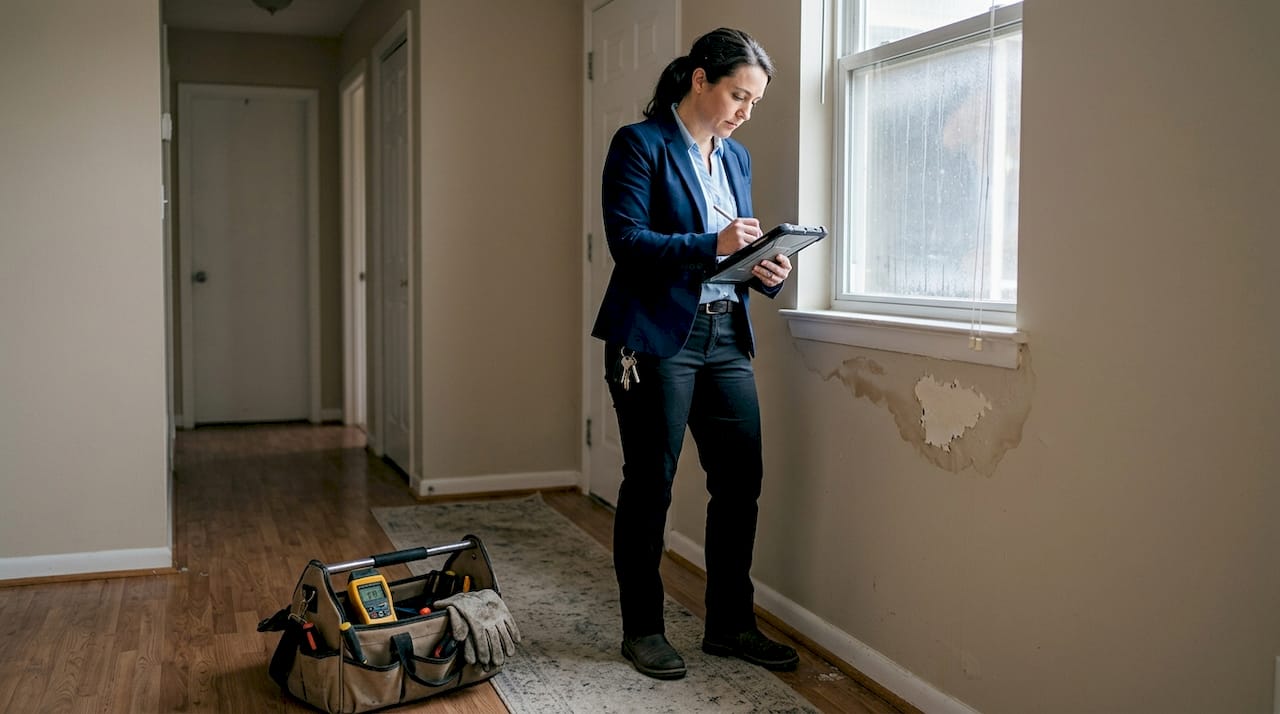
Here is a summary of common waterproofing failures, their causes, and typical repair costs:
| Damage type | Common cause | Estimated repair cost (ZAR) |
|---|---|---|
| Roof membrane failure | UV degradation, no resealing | R15,000 to R60,000 |
| Basement water ingress | Cracked slab, no drainage | R20,000 to R80,000 |
| Balcony leaks | Joint failure, pooling water | R8,000 to R35,000 |
| Rising damp in walls | Failed DPC, no maintenance | R5,000 to R25,000 |
| Wet room tile leaks | Grout failure, no sealant | R4,000 to R18,000 |
These figures do not include secondary damage such as replacing ceilings, repainting, or treating mould. Protecting your investment means acting before these costs stack up, not after.
What regular waterproofing maintenance involves
A solid maintenance routine does not need to be complicated. What it does need is consistency. Here is a practical sequence that works for most South African properties:
- Biannual visual inspections of all waterproofed surfaces, including roofs, balconies, and external walls
- Clear gutters and downpipes to prevent water pooling and overflow that forces moisture into joints
- Check and reseal expansion joints and flashings, which are the metal strips that seal gaps between surfaces
- Test drainage by running water across flat surfaces and watching for pooling or slow runoff
- Inspect internal wet areas such as bathrooms and kitchens for grout failure or sealant shrinkage
- Document findings with photographs and written notes for your maintenance records
The roof waterproofing guide confirms that biannual inspections, clearing drains, sealing cracks, and leak testing are the core activities that keep systems performing well. For commercial buildings, a formal maintenance checklist adds accountability and helps you track compliance over time.
Residential owners can follow a simplified version of this routine, while body corporates and commercial property managers should refer to a structured guide for maintaining waterproofed areas that covers shared infrastructure and common areas.
Pro Tip: Schedule your inspections for just after the rainy season or following any significant storm. This is when failures are most visible and easiest to catch before they worsen. You can also follow lasting protection steps to extend the life of your system between professional visits.
Compliance, standards, and choosing professionals
South Africa has a clear legal framework for waterproofing. SANS 10400-Part L mandates that waterproofing systems remain watertight for at least five years, provided they are maintained by competent professionals. This is not optional guidance. It is a building regulation that applies to new construction and significant renovations.
For property owners, this means two things. First, your waterproofing system must be installed correctly from the start. Second, you must maintain it properly to keep that five-year performance guarantee valid. Skipping maintenance can void both your contractor’s warranty and your insurance cover.
Here is how DIY maintenance compares to hiring a registered professional:
| Factor | DIY maintenance | Professional maintenance |
|---|---|---|
| Cost | Lower upfront | Higher upfront, lower long-term |
| Compliance with SANS | Unlikely | Confirmed with documentation |
| Detection of hidden faults | Limited | Thorough with specialist tools |
| Warranty protection | Often voided | Maintained or extended |
| Insurance claim support | Weak | Strong with service records |
| Risk of incorrect repairs | High | Low |
The step-by-step guide for commercial waterproofing illustrates just how technical proper application and maintenance can be. For most property owners, professional involvement at least once a year is the safest and most cost-effective approach.
Pro Tip: Always ask your waterproofing contractor for proof of registration, a written scope of work, and a service guarantee before any work begins. A reputable contractor will provide all three without hesitation.
Common pitfalls and how to ensure effective waterproofing maintenance
Even well-intentioned property owners fall into predictable traps. Knowing what they are helps you avoid them.
The most common mistakes include:
- Waiting for visible water stains before investigating, by which point damage is already significant
- Ignoring minor leaks on the assumption they will not worsen, when in reality small leaks almost always grow
- Skipping post-storm checks, which is exactly when new failures are most likely to appear
- Failing to keep records, which weakens your position with insurers and future buyers
- Using incompatible products for DIY repairs that react badly with existing membranes
Early biannual intervention prevents escalation and keeps you on the right side of SANS compliance. The best practices used by professional contractors are worth studying, even if you manage a residential property. You can also review real-world examples of how waterproofing failures develop and how they were resolved.
“Timely maintenance is not just about preventing leaks. It is about avoiding the legal disputes, insurance headaches, and structural repairs that follow when small problems are left to grow.”
Making regular waterproofing maintenance part of property ownership
Building a sustainable maintenance routine is simpler than most owners expect. The key is to treat it like any other scheduled obligation, such as a rates payment or a fire extinguisher service.
Follow these steps to get started:
- Set calendar reminders for biannual inspections, ideally in April and October to bracket the South African rainy season
- Create a property maintenance file that holds all inspection reports, contractor invoices, and photographs
- Appoint a qualified contractor for at least one professional inspection per year and keep their contact details accessible
- Act on findings immediately rather than deferring minor repairs, since small fixes cost a fraction of major remediation
- Review your waterproofing system every five years for a full assessment, particularly if the original installation is ageing
Biannual inspections are the foundation of any effective routine. Pair them with good record-keeping and you have a system that protects your property, satisfies your insurer, and gives you confidence when it comes time to sell. A guide to maintaining systems over the long term can help you refine your approach as your property ages.
Prevention always costs less than repairs. A professional inspection might cost a few thousand rand. A failed roof membrane or a flooded basement can cost ten times that, and that is before you factor in the disruption and the impact on your property’s value.
Get expert help for lasting waterproofing protection
Understanding the principles of waterproofing maintenance is a strong first step, but putting them into practice consistently is where most property owners need support. Professional guidance ensures your system stays compliant, your records stay current, and your building stays protected through every season.
Pro Waterproofing offers routine inspections, compliance checks, and long-term maintenance support for residential, commercial, and industrial properties across South Africa. Whether you need a once-off assessment or an ongoing maintenance programme, the team brings the expertise and documentation that protect your investment and keep your waterproofing system performing as it should. Reach out today for a quote and take the guesswork out of property maintenance.
Frequently asked questions
How often should waterproofing maintenance be done in South Africa?
Maintenance is recommended at least twice a year, with additional checks after major storms. Biannual inspections, clearing drains, and sealing cracks form the core of any effective routine.
Does regular waterproofing maintenance really affect property value?
Yes, significantly. Poor waterproofing can reduce value by up to 30% because buyers and valuers discount properties with visible or suspected water damage.
What are the signs I need immediate waterproofing maintenance?
Visible water stains, musty smells, peeling paint, bubbling plaster, or efflorescence (white salt deposits on walls) all indicate that water is getting in and urgent attention is needed.
Do I need a professional for waterproofing maintenance or can I do it myself?
Owners can carry out basic visual checks, but professional maintenance is essential for compliance. SANS 10400-Part L requires that systems be maintained by competent professionals to remain watertight for at least five years.