
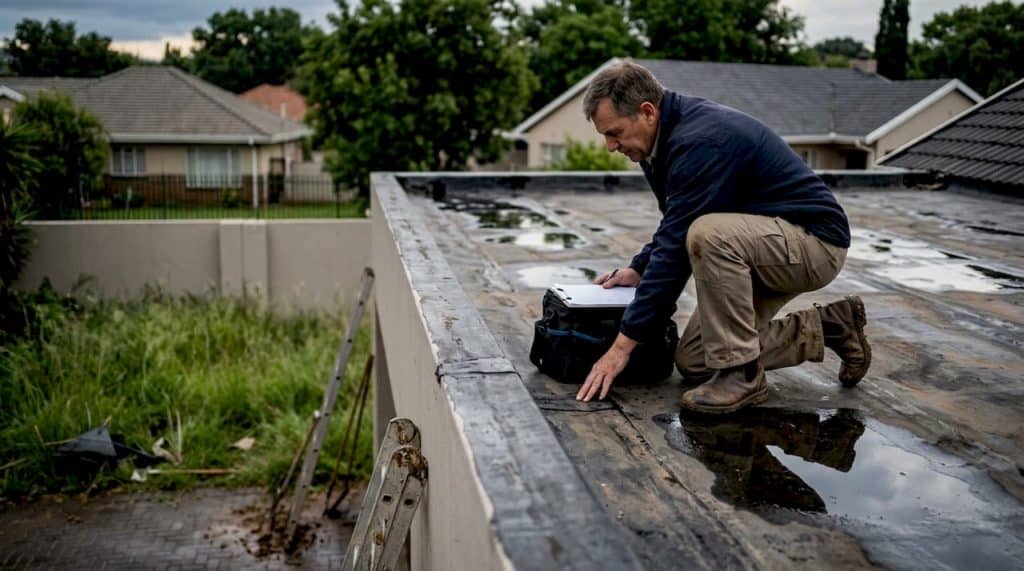
Did you know that 85% of construction defects in South Africa arise from moisture-related issues? For property owners and building managers, this statistic isn’t just alarming—it’s a call to action. Waterproofing maintenance isn’t optional; it’s the difference between a structurally sound building and costly repairs. South Africa’s variable climate, from coastal humidity to inland temperature swings, places unique demands on waterproofing systems. This guide walks you through expert maintenance routines, regulatory requirements, and practical steps to protect your investment and ensure compliance.
Table of Contents
- Understanding waterproofing maintenance in South Africa
- Regular inspections: What to check and why
- Surface preparation: Foundation of long-lasting waterproofing
- Choosing the right waterproofing materials
- Compliance, warranties and expert installation
- Maintenance routines and prevention tips
- Get expert waterproofing solutions
- Frequently asked questions
Key Takeaways
| Point | Details |
|---|---|
| Biannual inspections | Checking waterproofed areas every six months prevents costly property damage. |
| Correct materials matter | Choose materials based on climate, area movement, and South African standards. |
| Surface prep is vital | Proper cleaning, repair, and drying before waterproofing greatly increases system longevity. |
| Professional compliance | Certified specialists ensure waterproofing meets legal, warranty, and performance requirements. |
| Preventative maintenance | Routine care and timely repairs keep waterproofing systems effective and protect your investment. |
Understanding waterproofing maintenance in South Africa
South Africa’s weather patterns create a perfect storm for waterproofing challenges. Heavy seasonal rains, intense UV exposure, and dramatic temperature fluctuations stress even the best systems. When waterproofing fails, the consequences cascade: structural damage, mould growth, tenant complaints, and repair bills that dwarf preventive maintenance costs.
The regulatory framework provides clear guidance. SANS 10400-Part L demands minimum 5-year waterproofing system performance, setting legal minimums that protect both property owners and occupants. Two key organisations—PRAWA (Painting and Roof Waterproofing Association) and WTASA (Waterproofing Trade Association of South Africa)—provide certification and guidance for contractors.
Pro Tip: Always verify your contractor’s PRAWA or WTASA certification before engaging their services. Certified professionals understand local regulations and climate-specific requirements.
Why does maintenance importance matter so much? Consider these factors:
- Coastal properties face salt-laden air that degrades sealants faster
- Inland regions experience temperature swings exceeding 20°C daily
- UV radiation in South Africa ranks among the world’s highest
- Heavy summer storms can deliver months of rainfall in hours
“Waterproofing isn’t a one-time installation—it’s an ongoing commitment to building integrity and occupant safety.”
Regular inspections: What to check and why
Catching problems early transforms expensive disasters into manageable repairs. Biannual checks including simulated rainfall tests form the foundation of effective maintenance. Schedule inspections before and after the rainy season to identify vulnerabilities.
Your inspection checklist should cover:
- Visual examination: Look for cracks, blistering, or discolouration in waterproofing membranes
- Water staining: Check ceilings, walls, and joints for moisture marks
- Pooling water: Identify areas where drainage fails after rain
- Joint integrity: Examine expansion joints and flashing for separation
- Material degradation: Test membrane flexibility and adhesion
- Moisture readings: Use a moisture metre on suspect areas
Documentation matters more than most realise. Photograph findings, record moisture readings, and maintain a maintenance log. This evidence proves invaluable for warranty claims, insurance disputes, and compliance audits. Early detection reduces repair costs by up to 40% compared to addressing failures after significant damage occurs.
Pro Tip: Conduct simulated rainfall tests by flooding small sections and monitoring for leaks. This reveals vulnerabilities before natural storms expose them.
The inspection importance extends beyond immediate repairs. Regular checks demonstrate due diligence to insurers, support property valuations, and provide peace of mind to tenants and buyers.
Surface preparation: Foundation of long-lasting waterproofing
Even premium waterproofing materials fail without proper surface preparation. This step determines whether your system lasts five years or fifteen. Clean, repair, dry: SANS 10400-L specifies minimum substrate moisture levels and thickness requirements that cannot be compromised.
The preparation process follows a strict sequence:
- Remove all debris: Sweep away dust, leaves, and loose material
- Strip old membranes: Failed waterproofing must be completely removed
- Repair substrate damage: Fill cracks, level uneven areas, replace damaged concrete
- Ensure dryness: Use moisture metres to verify substrate moisture below 5%
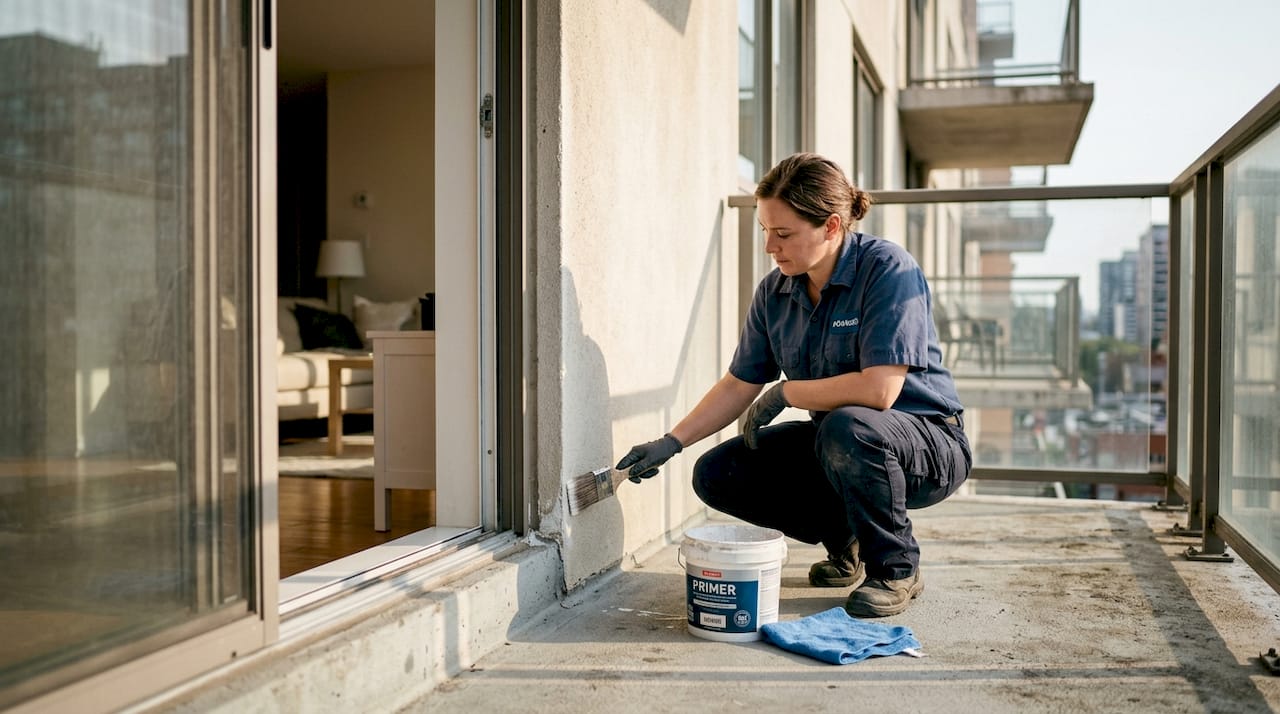
- Apply primer: Create proper adhesion surface for new waterproofing
For roof applications, SANS 10400-L requires a minimum 20mm sand cement screed to provide a stable base. Skipping this step or using inadequate thickness leads to cracking and delamination within months.
“Surface preparation accounts for 70% of waterproofing success. Rush this stage, and you’re building failure into the system.”
Pro Tip: Never apply waterproofing to damp surfaces. Even if the substrate appears dry, moisture trapped beneath the membrane will cause blistering and adhesion failure.
The surface preparation guide provides detailed protocols for different substrate types. Concrete, masonry, and metal each require specific preparation techniques to ensure proper bonding and long-term performance.
Choosing the right waterproofing materials
Material selection determines how well your waterproofing withstands South Africa’s climate challenges. Material selection: rigid cementitious vs flexible membranes, bituminous for flat roofs depends on application location, expected movement, and environmental exposure.
| Material Type | Best Applications | Key Advantages | Limitations |
|---|---|---|---|
| Rigid cementitious | Basements, retaining walls, static structures | Excellent water resistance, breathable, cost-effective | Cannot accommodate movement, cracks with substrate |
| Flexible liquid membrane | Pitched roofs, balconies, areas with movement | UV resistant, bridges cracks, easy application | Requires proper thickness, vulnerable to ponding |
| Bituminous membrane | Flat roofs, high UV exposure, commercial buildings | Superior UV resistance, proven durability, handles ponding | Requires heat application, professional installation |
| Polyurethane coating | Complex details, repairs, small areas | Excellent adhesion, flexible, quick curing | Higher cost, sensitive to moisture during application |
Climate and structural movement drive material choice. Roofs expand and contract with temperature changes, requiring flexible systems that accommodate movement without tearing. Basement walls remain relatively static, making rigid cementitious systems ideal for below-grade applications.
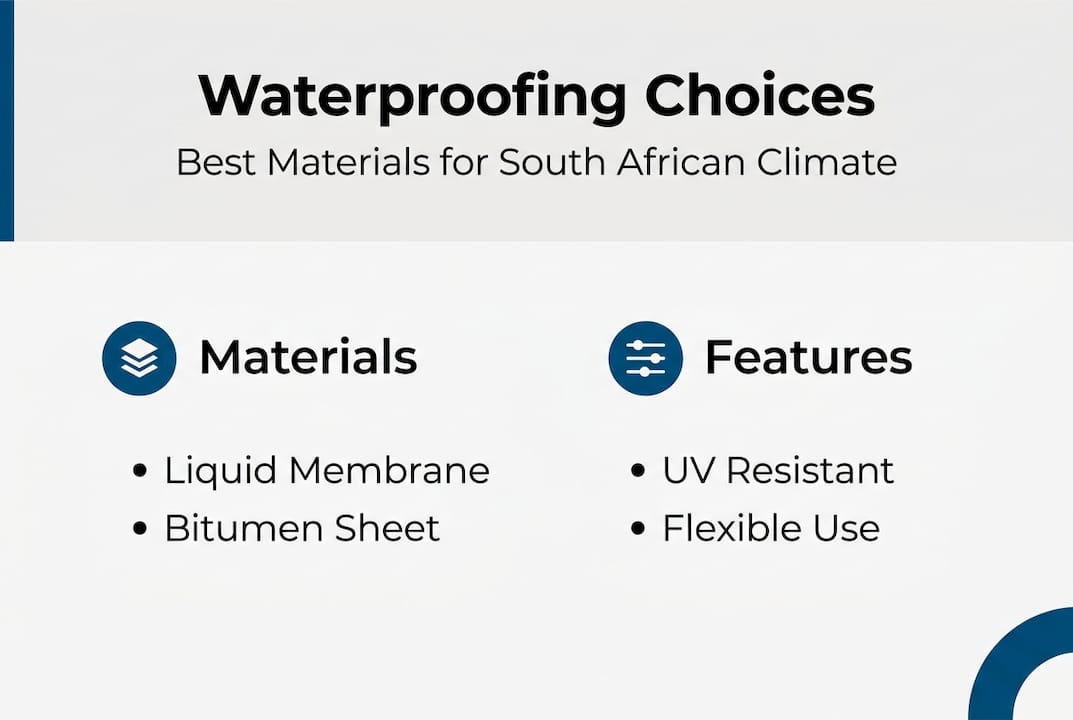
The methods comparison reveals that 85% of construction defects trace back to moisture problems, often caused by inappropriate material selection. A flexible membrane on a basement wall provides no advantage, whilst rigid coating on a roof guarantees failure.
Pro Tip: For coastal properties, prioritise materials with enhanced UV and salt resistance. Standard products degrade significantly faster in marine environments.
Compliance, warranties and expert installation
Regulatory compliance protects your investment and ensures legal coverage. Waterproofing must remain watertight for a minimum of five years, installed by competent professionals who understand SANS requirements. This isn’t merely a recommendation—it’s a legal obligation.
Only certified PRAWA and WTASA contractors possess the training and accountability to deliver compliant installations. DIY risks failure due to improper prep/application; always use certified specialists for compliance. The liability exposure from DIY waterproofing far exceeds any perceived savings.
| Compliance Aspect | SANS 10400-L Requirement | Practical Implication |
|---|---|---|
| Minimum performance period | 5 years watertight | Warranties must match or exceed this duration |
| Installer qualification | Competent professional | PRAWA/WTASA certification required |
| Substrate preparation | Specified moisture levels and thickness | Moisture metre readings documented |
| Material standards | SABS approved products | Verify product compliance certificates |
| Testing requirements | Post-installation flood test | Document test results for warranty |
Warranties depend entirely on proper preparation and material selection. Manufacturers void coverage if installation deviates from specifications. Keep detailed records: substrate moisture readings, product batch numbers, application conditions, and test results.
“Regulatory compliance isn’t bureaucracy—it’s your protection when waterproofing fails and you need warranty coverage or insurance claims.”
The owner standards guide and regulations explained provide comprehensive coverage of legal requirements. Understanding these standards helps you evaluate contractor proposals and ensure compliance.
Maintenance routines and prevention tips
Implementing reliable maintenance routines ensures your waterproofing investment delivers its full lifespan. Test post-application with flood simulation, prioritise UV-resistant, flexible materials for SA’s climate demands proactive rather than reactive approaches.
Your biannual maintenance routine should include:
- Scheduled inspections: Mark calendar for pre-summer and post-winter checks
- Simulated rainfall tests: Flood test vulnerable areas to verify integrity
- Surface cleaning: Remove debris, algae, and organic matter that trap moisture
- Joint monitoring: Check expansion joints and flashing for separation or damage
- UV degradation assessment: Test membrane flexibility in high-exposure areas
- Drainage verification: Ensure outlets and scuppers flow freely
- Documentation updates: Photograph conditions and record findings
Pro Tip: Keep a dedicated maintenance file with inspection reports, repair records, and warranty documents. This documentation proves invaluable for insurance claims and property sales.
Prevention strategies save money and extend system life. Address minor cracks immediately before they propagate. Clean surfaces regularly to prevent organic growth that degrades membranes. Monitor for ponding water that accelerates material breakdown.
The maintenance routine emphasises that immediate repairs after detecting leaks or cracks prevent escalation into structural damage. A R500 repair today prevents a R50,000 remediation tomorrow.
“Maintenance isn’t an expense—it’s insurance against catastrophic failure and the most cost-effective investment in building longevity.”
Get expert waterproofing solutions
Whilst understanding waterproofing maintenance empowers you as a property owner, professional expertise ensures compliance, warranty protection, and lasting performance. Certified specialists bring years of experience navigating South Africa’s unique climate challenges and regulatory requirements.
Pro Waterproofing connects you with expert waterproofing services for comprehensive inspections, compliant installations, and ongoing maintenance support. Whether you’re addressing existing issues or implementing preventive maintenance programmes, certified professionals provide peace of mind that your waterproofing meets SANS standards and protects your investment for years to come.
Frequently asked questions
How often should I inspect waterproofed areas?
Inspections should be carried out at least every six months, ideally before summer rains and after winter. Biannual checks including simulated rainfall tests detect early signs of wear before they escalate into costly repairs.
What are the key requirements for waterproofing compliance in South Africa?
Waterproofing systems must remain watertight for at least five years and be installed by SANS-compliant professionals. SANS 10400-Part L demands minimum 5-year waterproofing system performance with proper documentation and testing.
Which waterproofing materials are best for South African roofs?
Flexible liquid membranes and bituminous systems perform best on roofs due to UV resistance and ability to accommodate thermal movement. Material selection: rigid cementitious vs flexible membranes, bituminous for flat roofs depends on specific roof type and exposure.
Can I DIY waterproofing maintenance?
DIY approaches risk improper preparation and application that void warranties and fail compliance requirements. DIY risks failure due to improper prep/application; always use certified PRAWA or WTASA specialists for reliable results.
How can I prevent waterproofing failures?
Follow regular inspection routines, maintain detailed documentation, ensure proper surface preparation, and use UV-resistant materials suited to local climate. Test post-application with flood simulation, prioritise UV-resistant, flexible materials for SA’s demanding conditions.