
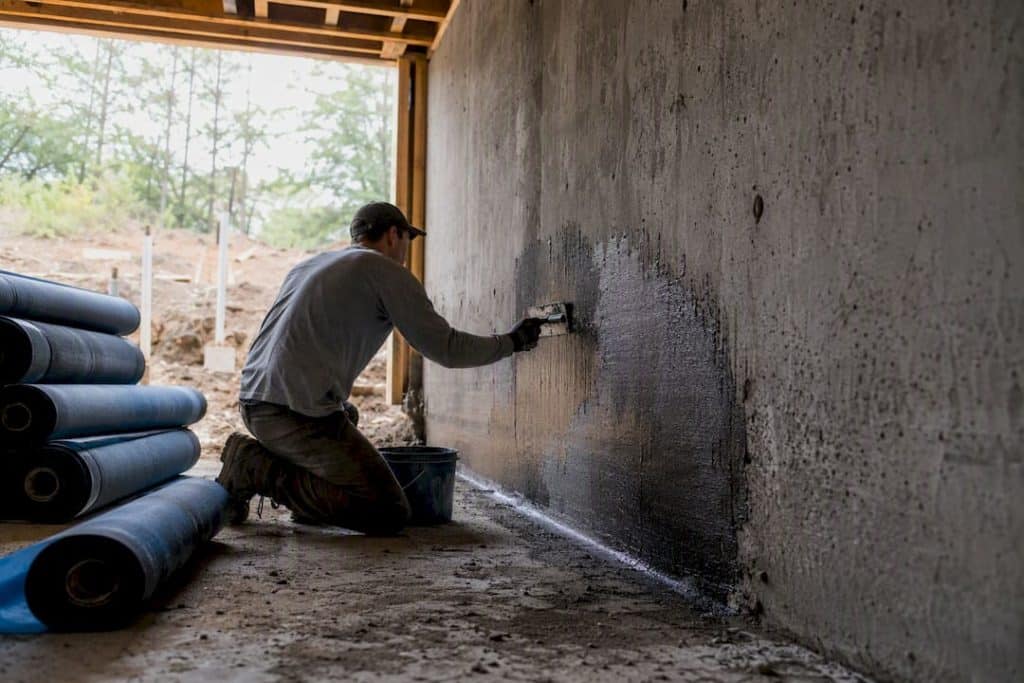
Most basement waterproofing jobs land somewhere between R300 and R1,200 per square metre, with a full retrofit typically totalling R40,000 to R150,000 depending on method, access and drainage requirements. The method you need matters more than anything else. A straightforward crystalline coating on sound concrete costs a fraction of a cavity drain system with a sump pump. Get a site inspection before you budget anything firmly, because soil pressure, wall condition and existing dampness swing the final number more than any online estimate can.
TL;DR:
- External membrane tanking during new construction is the most cost-effective long-term solution, but retrofitting it involves higher excavation costs.
- Injection grouting is suitable for isolated cracks and is priced per crack, making it economical for small repairs but unsuitable for whole-wall waterproofing.
- Large basements requiring excavation and multiple drainage systems can exceed R150,000, with costs heavily influenced by site access and soil conditions.
- Drainage and sump pump installation often constitute hidden costs that significantly raise the final expense and should not be omitted.
- Comparing quotes requires detailed scope and method descriptions, as vague or incomplete estimates frequently hide additional costs.
Table of Contents
- What is the average cost to waterproof a basement?
- How does the waterproofing method change the price?
- Does basement size or access affect the cost?
- What hidden costs should you budget for?
- How do you compare quotes and choose a contractor?
- How Pro Waterproofing prices and guarantees basement work
- When is full waterproofing actually worth the money?
- Get an accurate basement waterproofing quote
- Sources
What is the average cost to waterproof a basement?
Basement waterproofing prices in South Africa follow fairly predictable bands once you know which method a contractor is proposing. According to trade cost guides, a straightforward job sits at the lower end of R300 per m², while complex retrofits involving excavation, drainage and structural repair push towards R1,200 per m² or beyond, with whole-job totals commonly reaching R150,000 for larger or more damaged basements.
To put that in concrete terms:
- A small basement (around 20 m²) with a simple internal coating might land near R15,000 to R25,000.
- A medium basement (40 m²) needing a cavity drain membrane and sump pump often runs R60,000 to R100,000.
- A large basement (80 m²+) requiring external excavation and tanking can exceed R150,000 once drainage and reinstatement are included.
Regional variance is real. Labour rates, soil type and how easily a contractor can access the site all move the price, which is why two houses on the same street can get quotes R30,000 apart. International figures tell a similar story of variation: manufacturer and industry sources cite a US average of roughly US$2,000 to US$7,000 for many retrofit jobs, a range wide enough to prove that method and site conditions, not geography, drive most of the cost. A proper site inspection is the only way to know which end of these ranges applies to your basement.
How does the waterproofing method change the price?
Method selection is the single biggest lever on your final invoice, and the SANS waterproofing standard sets out several acceptable approaches, each with its own cost profile and correct-detailing requirements.
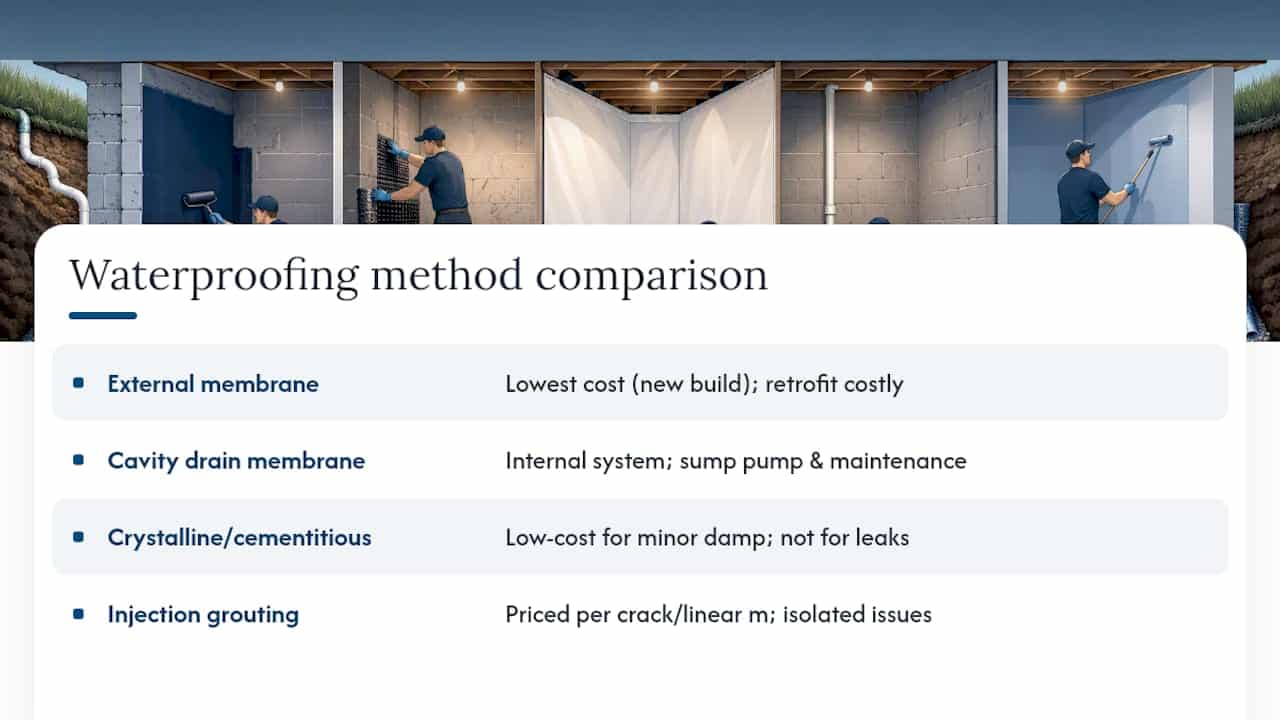
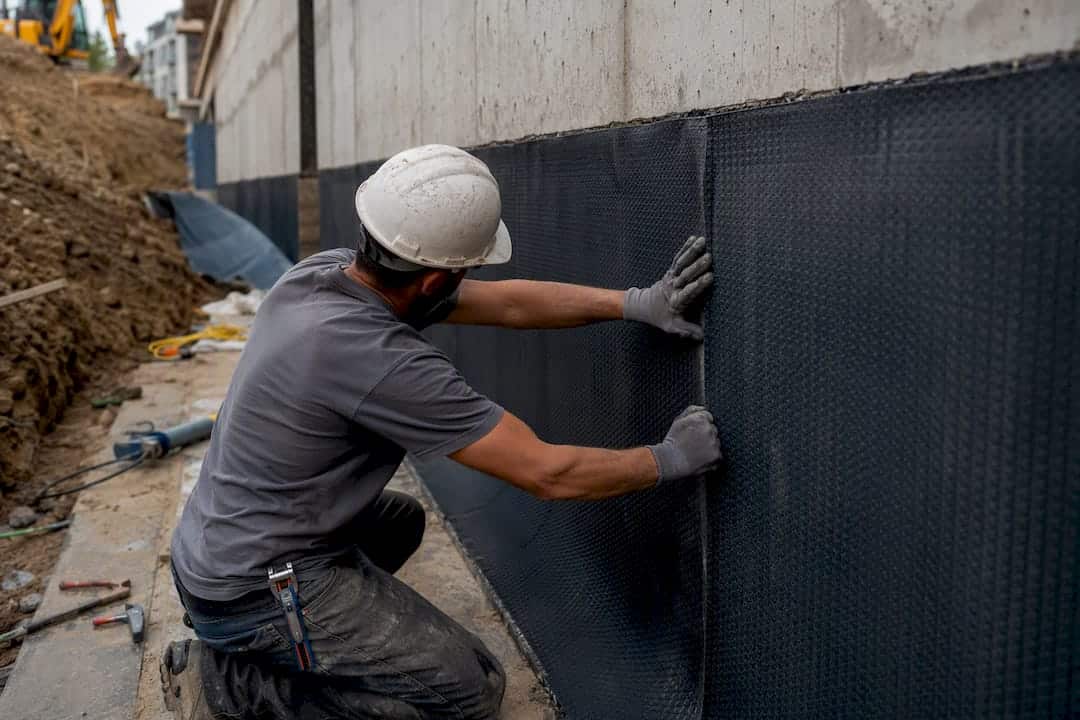
External membrane (tanking) applied during new construction is usually the cheapest way to achieve long-term waterproofing per square metre, because the wall is exposed and accessible. Retrofitting the same membrane to an existing basement costs considerably more, since crews must excavate around finished foundations. New-build external tanking is generally less costly per square metre than retrofitting it for exactly this reason.
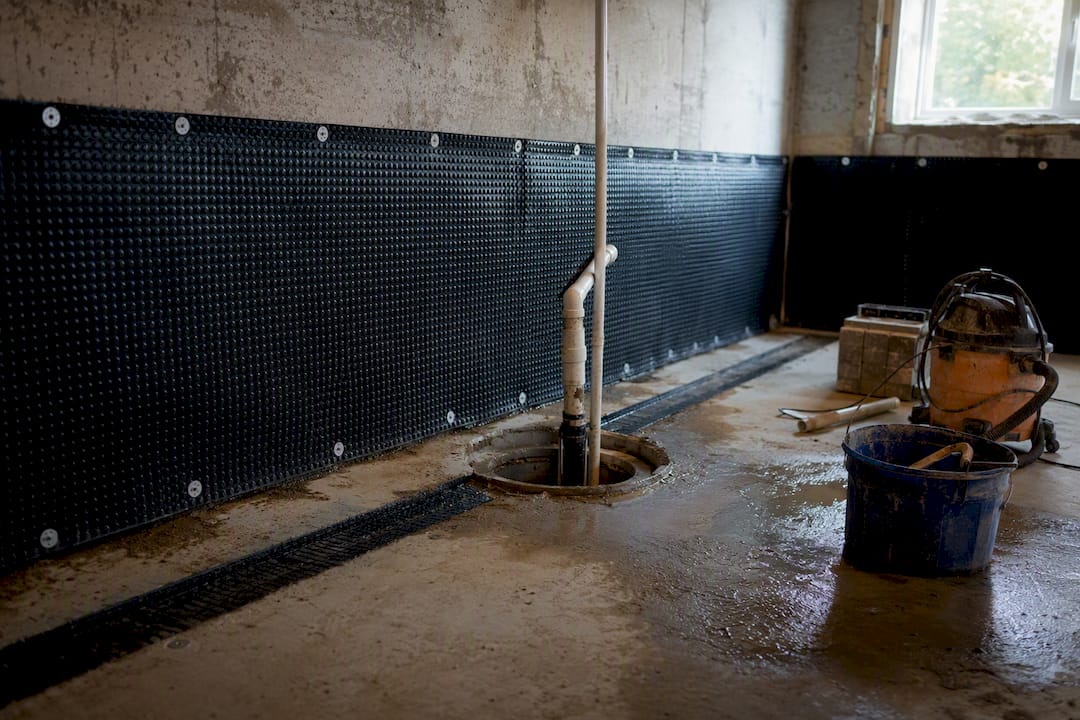
Cavity drain membrane systems work from the inside, channelling water to a sump rather than blocking it outright. They suit retrofits where excavation isn’t practical, but expect to pay for a sump pump, pit and periodic maintenance on top of the membrane itself.
Crystalline and cementitious coatings are among the most affordable options for basements with sound concrete and only minor dampness. They’re not a fix for active structural leaks or high hydrostatic pressure, though.
Injection grouting targets individual cracks and is typically priced per crack or per linear metre, making it economical for isolated problems but a poor substitute for whole-wall waterproofing.
Any method that involves excavation, underpinning or structural crack repair adds meaningfully to labour and plant costs.
Pro Tip: Ask your contractor to name the exact SANS-referenced method they’re quoting for, not just a generic term like “waterproofing” — vague quotes usually hide bigger price surprises later.
Does basement size or access affect the cost?
Pricing usually runs per square metre for coatings and membranes, but per linear metre for drainage and injection work, so a quote should specify which basis applies to each line item.
- Small basements (up to 30 m²) tend to have simpler access and lower total costs, often finishing within a few days for coating-based methods.
- Medium basements (30 to 60 m²) frequently need a mix of methods, drainage plus a coating, and can take a week or more depending on drying times.
- Large basements (over 60 m²) often require excavation, multiple drainage runs and sump installation, stretching timelines to two or three weeks.
Restricted access, low ceiling heights, buried services near the foundation, or a basement built hard against a boundary wall all raise costs by slowing excavation and increasing labour hours. High hydrostatic pressure from a rising water table can also force a switch to a more robust (and pricier) method than originally planned.
What hidden costs should you budget for?
The headline waterproofing quote rarely covers everything. Drainage, in particular, gets underestimated more than any other line item.
- French drains or internal drainage runs: often costed per linear metre, with excavation and finish quality moving the price considerably. Precision drainage solutions illustrate how much detailing goes into a properly graded system.
- Sump pump systems: pit, pump and battery backup together are frequently a multi-thousand-rand addition, and installed sump systems can add significantly to a basic quote once excavation for the pit is included.
- Structural or crack repairs, electrical tie-ins for the pump, and post-job testing or engineer reports.
- Ongoing maintenance, plus any local permit costs where structural work is involved.
Skipping drainage to save money upfront is the most common false economy in this trade. A membrane without somewhere for water to go usually fails within a few wet seasons.
How do you compare quotes and choose a contractor?
A written quote that only states a total rand figure tells you almost nothing. Insist on detail before comparing anything.
- Check the quote names the method (tanking, cavity drain, crystalline, injection grouting) and states the warranty period in writing.
- Ask about licensing and insurance, and request references from jobs completed at least a year ago, long enough to reveal whether the fix held.
- Compare like-for-like: a R40,000 quote missing drainage isn’t cheaper than a R70,000 quote that includes it, it’s incomplete.
- Question anything unusually low. Quotes lacking an explicit drainage plan or warranty are a common red flag for corners being cut.
- Confirm the site inspection happened before the quote was written, not after you’ve signed.
Pro Tip: Get at least three quotes and lay their scopes side by side in a simple table before looking at price. The cheapest number often disappears once you account for what it leaves out. For more on interior-specific pricing, Pro Waterproofing’s interior basement waterproofing cost guide breaks down typical line items in detail.
How Pro Waterproofing prices and guarantees basement work
Eben and the team at Prowaterproofing build every quote from a physical site inspection, not a phone estimate, because soil condition and existing damp patterns change the specification. Each proposal names the SANS-aligned method, sets out drainage and sump requirements explicitly, and carries a stated warranty period. Case-specific results and qualifications are documented on request as each project is completed.
When is full waterproofing actually worth the money?
Patching a damp patch feels cheaper today, but catching water intrusion early keeps total costs down, while exterior fixes cost more upfront yet last longer than internal-only remedies. If you plan to use the basement as living space, sell within a few years, or you’re already fighting recurring dampness, full waterproofing is the sounder spend. A single quick patch job is fine for a one-off leak with no history behind it.
— Eben
Get an accurate basement waterproofing quote
Prowaterproofing prices every basement job against an actual site inspection, not a generic per-square-metre guess, so the figure you receive reflects your soil, your access constraints and your existing damage rather than a national average.
To get a faster, more accurate quote, have these ready before you enquire: your basement’s approximate size in square metres, a few photos of any visible damp, cracking or standing water, and a note of when the problem first appeared. Prowaterproofing works only with licensed, insured contractors and every quote includes a written scope and warranty terms, so you’re comparing a real specification rather than a bare number. Head to the Pro Waterproofing homepage to request your site inspection and get a written quote tailored to your basement.
Sources
- The Ultimate Guide to Basement Waterproofing: Costs, Systems & Solutions for SA Homes | ServiceLink SA
- How Much Does It Cost to Waterproof a Basement | Polyguard