
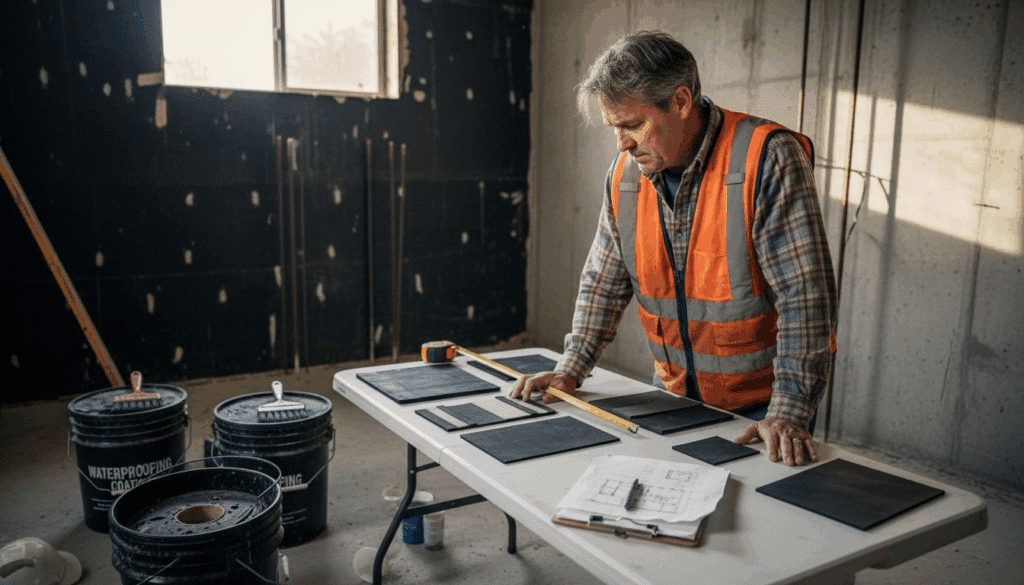
More than seventy percent of property owners in British cities underestimate the challenges caused by moisture damage. For many, selecting the right waterproofing system means balancing long term durability and real adaptability to unpredictable weather. British construction needs have led to the development of advanced solutions—each with distinct benefits for protecting structures from leaks and environmental stress. Discover which modern waterproofing methods deliver reliable performance for British buildings.
Table of Contents
- 1. Bituminous Membranes: Flexible Protection
- 2. Cementitious Coatings: Easy Application
- 3. Liquid Waterproofing Membranes: Seamless Coverage
- 4. Polyurethane Waterproofing: Durable and Versatile
- 5. EPDM Rubber Membranes: Long-lasting Seals
- 6. Acrylic Waterproofing Systems: Fast and Efficient
- 7. Crystalline Waterproofing: Deep Concrete Protection
Quick Summary
| Takeaway | Explanation |
|---|---|
| 1. Choose Bituminous Membranes for Flexibility | They adapt to structural movements while preventing water penetration, making them suitable for varied applications. |
| 2. Prioritise Professional Installation | Engaging certified specialists ensures optimal performance of waterproofing systems and reduces the risk of structural damage. |
| 3. Consider Crystalline Waterproofing for Deep Protection | This internal treatment seals microcracks and provides permanent moisture defence within concrete structures. |
| 4. Select the Right Coating for Specific Surfaces | Different systems like acrylic and cementitious coatings excel on various substrates, ensuring effective moisture barriers. |
| 5. Monitor Surface Conditions Before Application | Proper surface preparation significantly maximises the effectiveness and longevity of any waterproofing solution. |
1. Bituminous Membranes: Flexible Protection
Bituminous membranes represent a sophisticated waterproofing solution that offers remarkable protection for property structures. These specialised materials provide exceptional defence against moisture penetration while maintaining remarkable flexibility across various environmental conditions.
Originally developed for complex architectural applications, bituminous membranes consist of reinforced asphalt based compounds that create a seamless protective barrier. Their unique composition allows them to adapt to structural movements without compromising waterproofing integrity. Understanding waterproofing membrane principles becomes crucial for property owners seeking comprehensive moisture management.
The remarkable characteristic of bituminous membranes lies in their ability to withstand temperature fluctuations and structural settlement. Unlike rigid waterproofing systems, these membranes can stretch and contract without developing structural cracks, which makes them ideal for foundations, basements, underground parking areas, and rooftop applications.
Key Advantages of Bituminous Membranes:
- Exceptional flexibility under temperature changes
- Superior resistance to water penetration
- Long term durability with minimal maintenance requirements
- Seamless installation process
- Excellent adhesion to multiple surface types
Property owners should consider professional installation to ensure maximum effectiveness. Improper application can significantly reduce the membrane’s protective capabilities, potentially leading to moisture related structural damage.
Professional Tip: Always engage certified waterproofing specialists who understand the nuanced application techniques required for bituminous membrane installation, ensuring optimal performance and long term structural protection.
2. Cementitious Coatings: Easy Application
Cementitious coatings offer property owners a robust and straightforward waterproofing solution that combines simplicity with exceptional protective capabilities. These specialised cement-based materials provide an effective barrier against moisture penetration across various structural surfaces.
Cementitious waterproofing membranes represent an innovative approach to protecting buildings from water damage. Their polymer modified composition allows for remarkable flexibility and durability, making them suitable for diverse applications ranging from underground structures to exterior walls and interior wet areas.
Key Features of Cementitious Coatings:
- Rapid application process
- Excellent adhesion to concrete and masonry surfaces
- High water pressure resistance
- Breathable material preventing internal moisture buildup
- Cost effective long term protection
The remarkable versatility of these coatings means they can be applied to swimming pools, balconies, terraces, foundations, and underground parking areas. Their ability to withstand significant water pressure ensures comprehensive protection against potential structural moisture intrusion.
Property owners should understand that professional application remains critical. While cementitious coatings appear simple to apply, achieving optimal performance requires precise surface preparation and technical expertise.
Expert Tip: Always conduct a thorough surface assessment and moisture evaluation before applying cementitious waterproofing to ensure maximum effectiveness and long lasting protection.
3. Liquid Waterproofing Membranes: Seamless Coverage
Liquid waterproofing membranes represent an innovative solution for property owners seeking comprehensive moisture protection with unparalleled flexibility. These advanced materials transform from liquid to a seamless, rubber-like protective layer that adapts perfectly to complex surface geometries.
Understanding the critical role of waterproofing membranes becomes essential when considering structural integrity. Liquid membranes offer exceptional advantages over traditional waterproofing techniques by creating continuous barriers without joints or seams that might compromise protection.
Key Advantages of Liquid Waterproofing Membranes:
- Exceptional surface penetration
- Ability to cover irregular surfaces
- Rapid application process
- Minimal disruption during installation
- Superior elasticity and movement accommodation
- Resistance to UV radiation and environmental degradation
Professional applicators typically spray or roll these membranes directly onto surfaces, allowing them to cure and form a monolithic protective layer. This approach proves particularly effective for challenging areas such as roof terraces, balconies, foundations, and underground structures where traditional sheet membranes might struggle.
Property owners should recognise that surface preparation remains crucial for optimal performance. Proper cleaning, repairing surface defects, and ensuring appropriate environmental conditions during application significantly impact the membrane’s long term effectiveness.
Expert Tip: Always consult professional waterproofing specialists who can assess your specific structural requirements and recommend the most suitable liquid membrane system for your property.
4. Polyurethane Waterproofing: Durable and Versatile
Polyurethane waterproofing represents a cutting edge solution for property owners seeking comprehensive moisture protection with exceptional durability and adaptability. These advanced synthetic polymers create an impenetrable barrier that responds dynamically to structural movements and environmental challenges.
Waterproofing systems utilising polyurethane technology offer remarkable advantages in protecting structural integrity across diverse applications. Their unique chemical composition allows them to expand and contract without compromising protective capabilities, making them ideal for complex architectural environments.
Key Advantages of Polyurethane Waterproofing:
- Exceptional chemical resistance
- High tensile strength
- Remarkable elasticity
- Rapid application process
- Superior adhesion to multiple surface types
- Extended lifespan compared to traditional waterproofing methods
- Resistance to UV radiation and environmental degradation
Property owners should recognise polyurethane waterproofing as an investment in long term structural protection. These membranes perform exceptionally well in challenging environments including basements, rooftops, underground structures, and areas experiencing significant temperature fluctuations.
Professional installers can apply polyurethane waterproofing through spray, roller, or trowel techniques, ensuring comprehensive coverage and minimal potential for moisture penetration. The material’s ability to create seamless protective layers makes it particularly effective for complex architectural surfaces.
Expert Tip: Always engage certified waterproofing professionals who understand the nuanced application techniques required for polyurethane membranes to guarantee optimal performance and structural protection.
5. EPDM Rubber Membranes: Long-lasting Seals
EPDM rubber membranes represent an extraordinary waterproofing solution that combines exceptional durability with remarkable environmental resistance. These synthetic rubber materials provide property owners with a robust protective barrier designed to withstand extreme weather conditions and structural movements.
Membrane waterproofing techniques have evolved significantly, with EPDM emerging as a superior option for comprehensive moisture protection. These specialised membranes offer unparalleled performance across diverse architectural applications, from flat roofs to underground structures.
Key Advantages of EPDM Rubber Membranes:
- Exceptional temperature tolerance
- Outstanding UV radiation resistance
- Remarkable elasticity and flexibility
- Extended lifespan of 20 to 30 years
- Minimal maintenance requirements
- Excellent chemical resistance
- Rapid installation process
- Superior sealing capabilities
Property owners can benefit from EPDM membranes particularly in challenging environments requiring long term waterproofing solutions. Their unique molecular structure allows them to expand and contract without compromising structural integrity, making them ideal for regions experiencing significant temperature variations.
Professional installation remains critical to maximise the potential of EPDM rubber membranes. Trained specialists understand the precise techniques required to ensure seamless application and optimal performance across different surface types.
Expert Tip: Always select EPDM membranes with professional certification and conduct thorough surface preparation to guarantee maximum adhesion and long term protection.
6. Acrylic Waterproofing Systems: Fast and Efficient
Acrylic waterproofing systems represent an innovative solution for property owners seeking rapid, effective moisture protection with minimal application complexity. These advanced polymer based coatings deliver exceptional performance across diverse architectural environments.
Waterproofing system selection requires understanding the unique characteristics of different materials, and acrylic systems stand out for their remarkable versatility. Their water based formulation allows for quick drying times and seamless application across various surface types.
Key Advantages of Acrylic Waterproofing Systems:
- Rapid application process
- Excellent UV radiation resistance
- Superior surface adhesion
- Low environmental impact
- Breathable membrane technology
- Cost effective long term protection
- Minimal maintenance requirements
- Adaptable to multiple surface geometries
Property owners can appreciate acrylic waterproofing for its ability to create a protective layer that remains flexible while resisting environmental degradation. These systems perform exceptionally well on concrete structures, rooftops, external walls, and areas requiring consistent moisture barriers.
Professional application remains critical to maximise the protective potential of acrylic waterproofing. Trained specialists understand the precise techniques required to ensure comprehensive coverage and optimal performance across different architectural surfaces.
Expert Tip: Always conduct a thorough surface preparation and select high quality acrylic waterproofing products to guarantee maximum effectiveness and long term structural protection.
7. Crystalline Waterproofing: Deep Concrete Protection
Crystalline waterproofing represents a groundbreaking approach to concrete protection that transforms moisture defence from a surface treatment to an internal structural enhancement. This innovative technology creates a permanent barrier against water penetration by generating insoluble crystalline formations within concrete matrices.
Structural waterproofing techniques have evolved significantly, with crystalline technology offering unparalleled deep protection for critical infrastructure. These specialised solutions penetrate concrete at a molecular level, creating an integral defence mechanism against water intrusion.
Key Advantages of Crystalline Waterproofing:
- Permanent internal concrete protection
- Self healing capabilities
- Ability to seal existing microcracks
- Enhanced concrete durability
- Chemical resistance
- Non toxic application
- Works under positive and negative water pressure
- Maintains concrete breathability
Property owners can benefit from crystalline waterproofing across diverse applications including basements, water tanks, marine structures, tunnels, and underground facilities. The technology transforms concrete from a porous material into a robust water resistant system that continues to protect throughout its lifecycle.
Professional application remains crucial to maximise the potential of crystalline waterproofing. Trained specialists understand the precise chemical interactions required to activate the crystallisation process and ensure comprehensive protection.
Expert Tip: Always consult professional waterproofing contractors who specialise in crystalline technologies to guarantee optimal performance and long term structural integrity.
Below is a comprehensive table summarising key waterproofing solutions and their advantages as discussed throughout the article.
| Waterproofing Type | Description | Key Benefits |
|---|---|---|
| Bituminous Membranes | Reinforced asphalt compounds with flexibility and seamless protection. | Exceptional flexibility, water resistance, long term durability. |
| Cementitious Coatings | Cement-based coatings providing a straightforward waterproofing solution. | Rapid application, excellent adhesion, high pressure resistance. |
| Liquid Waterproofing | Flexible materials forming seamless, rubber-like barriers. | Superior elasticity, UV resistance, easy coverage of surfaces. |
| Polyurethane Waterproofing | Advanced synthetic polymers adapting to structural movements. | High tensile strength, chemical resistance, long lifespan. |
| EPDM Rubber Membranes | Durable synthetic rubber for extreme weather conditions. | Temperature tolerance, UV resistance, long lifespan. |
| Acrylic Waterproofing | Polymer-based coatings with rapid application and minimal complexity. | Quick drying, UV resistance, low environmental impact. |
| Crystalline Waterproofing | Technology creating internal concrete protection. | Permanent protection, self-healing, seals microcracks. |
Discover the Best Waterproofing Solutions Tailored for Your Property
Choosing the right waterproofing material can be overwhelming given the variety and technical details presented in the latest 2025 guide. Whether you face challenges like moisture penetration, structural movements, or temperature fluctuations, understanding key waterproofing options such as bituminous membranes, polyurethane coatings, or crystalline protection is essential. Property owners need durable, flexible, and long-lasting protection against water damage to safeguard both value and safety.
At Pro Waterproofing, we specialise in matching your property’s unique needs with expert solutions. Our professionals ensure proper surface preparation and flawless installation of advanced waterproofing systems to prevent costly repairs and structural deterioration. Gain confidence by learning more about the most suitable membranes and coatings at our Uncategorized – Pro Waterproofing page, where detailed insights guide your informed decisions.
Protect your investment today by connecting with trusted waterproofing specialists who understand the nuances of modern materials like liquid membranes and EPDM rubber. Visit Pro Waterproofing now to request a personalised quote and start your journey towards a moisture-resistant, resilient property.
Frequently Asked Questions
What are the advantages of using Bituminous Membranes for waterproofing?
Bituminous Membranes offer exceptional flexibility and superior resistance to water penetration, making them ideal for various environments. Consider using these membranes for foundations and rooftops to ensure long-term durability with minimal maintenance.
How do Cementitious Coatings compare to other waterproofing materials?
Cementitious Coatings are easy to apply and provide strong protection against moisture penetration, especially on concrete surfaces. For effective results, ensure thorough surface preparation before application to maximise adhesion and performance.
Can Liquid Waterproofing Membranes be used on complex surfaces?
Yes, Liquid Waterproofing Membranes are particularly effective on irregular surfaces, creating a seamless protective layer that adapts to various geometries. When applying, prepare the surface adequately to achieve optimal long-lasting results.
What type of environments benefit from Polyurethane Waterproofing?
Polyurethane Waterproofing is suitable for environments with significant temperature fluctuations and chemical exposure. Implement this solution in areas such as rooftops and basements to maximise structural protection over time.
How does Crystalline Waterproofing enhance concrete structures?
Crystalline Waterproofing creates a permanent barrier within concrete, sealing microcracks and providing self-healing capabilities. For best results, consult a professional to ensure the proper application and activation of the crystallisation process.
What makes Acrylic Waterproofing Systems a good choice for property owners?
Acrylic Waterproofing Systems are known for their fast application and minimal maintenance requirements, making them highly efficient for property owners. Opt for high-quality products to ensure effective moisture protection across different architectural surfaces.