

Persistent damp walls and costly leaks are a familiar challenge for many Gauteng and Western Cape homeowners. Local weather patterns, from heavy rainfall to high humidity, put properties at risk of water damage and mould growth, making quality waterproofing systems pivotal for protecting building longevity and health. This guide clarifies essential concepts and solutions, empowering you to identify expert strategies that suit your property’s needs and South African climate conditions.
Table of Contents
- What Is Waterproofing? Key Concepts Explained
- Main Types of Waterproofing Solutions Available
- How Waterproofing Works in South African Homes
- Choosing Quality Contractors and Products
- Typical Costs and Common Pitfalls to Avoid
Key Takeaways
| Point | Details |
|---|---|
| Importance of Waterproofing | Essential for preventing water damage and moisture infiltration in residential and commercial buildings. |
| Diverse Waterproofing Solutions | Various methods like liquid membranes and cementitious applications suit different structural and environmental needs. |
| Professional Application | Engaging certified waterproofing professionals ensures compliance with standards and reduces the risk of costly repairs. |
| Cost Considerations | Waterproofing costs vary significantly; budget wisely, considering long-term durability over initial savings. |
What Is Waterproofing? Key Concepts Explained
Waterproofing represents a critical protective strategy designed to shield building structures from water damage and moisture infiltration. At its core, waterproofing involves applying specialised protective layers that prevent water penetration into various structural elements like roofs, walls, foundations, and underground spaces.
The process encompasses multiple techniques tailored to different architectural surfaces and environmental conditions. Waterproofing systems are specifically engineered to create robust barriers against water intrusion, addressing potential vulnerabilities in residential and commercial buildings. These protective measures are crucial in South Africa, where diverse climate zones range from high-humidity coastal regions to areas experiencing significant rainfall.
Key waterproofing approaches include:
- Liquid membrane applications: Seamless coatings providing comprehensive surface protection
- Bitumen membranes: Durable synthetic layers offering excellent water resistance
- Heat-fused systems: Advanced techniques creating strong, welded protective barriers
- Synthetic waterproofing solutions: Innovative materials designed for specific structural requirements
Building integrity depends significantly on effective waterproofing. Without proper protection, structures risk experiencing:
- Structural deterioration
- Mould growth
- Foundation weakening
- Internal property damage
- Reduced building lifespan
Compliance with South African National Standards (SANS) remains essential when implementing waterproofing strategies. Professional application ensures long-term protection and prevents potential costly repairs.
Pro tip: Always consult certified waterproofing professionals who understand local environmental conditions and can recommend tailored solutions for your specific property requirements.
Main Types of Waterproofing Solutions Available
Waterproofing solutions in South Africa have evolved to address the country’s diverse climatic challenges, offering multiple approaches to protect residential and commercial structures. Roof waterproofing systems vary significantly depending on environmental conditions, substrate types, and specific structural requirements.
Waterproofing methodologies can be categorised into several primary types, each designed to address unique architectural and environmental needs:
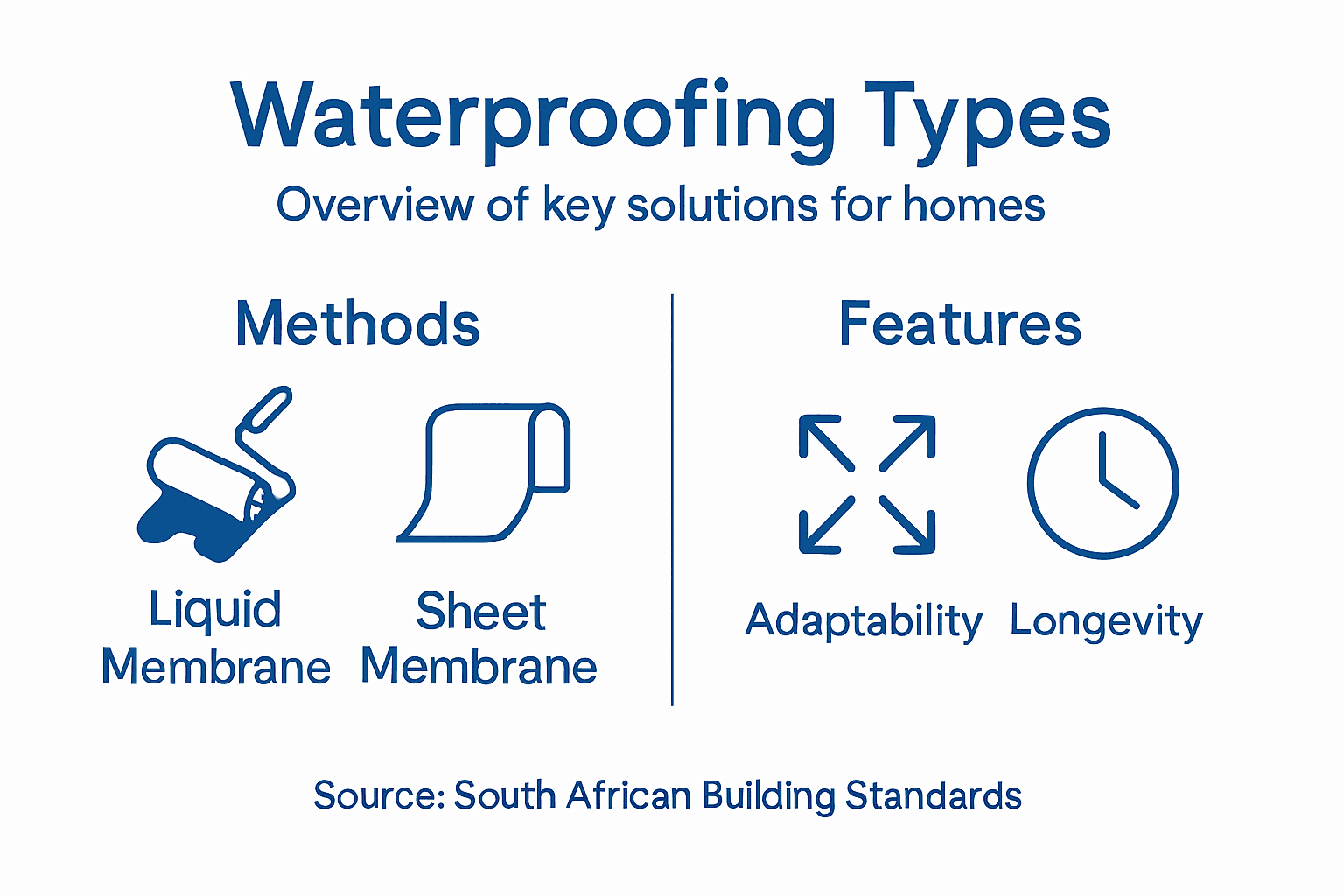
- Liquid Membrane Waterproofing: Seamless application ideal for flat roofs and complex surface geometries
- Sheet Membrane Waterproofing: Prefabricated membranes providing robust protection for pitched and horizontal surfaces
- Cementitious Waterproofing: Rigid, cement-based coating perfect for underground structures and foundations
- Polyurethane Liquid Membranes: Flexible solutions offering excellent elongation and crack-bridging capabilities
- Bituminous Waterproofing: Petroleum-based systems providing durable protection for underground constructions
Application techniques play a crucial role in determining the effectiveness of waterproofing systems. Professionals must consider multiple factors when selecting appropriate solutions:
- Surface composition
- Expected water exposure
- Temperature variations
- Structural movement potential
- Budget constraints
- Long-term durability requirements
Selecting the correct waterproofing method is not just about immediate protection, but preventing potential structural damage that could cost significantly more to repair.
Each waterproofing solution offers unique advantages, making professional assessment critical for optimal protection. Understanding the specific characteristics of different systems allows property owners to make informed decisions about their building’s moisture defence strategy.
Here’s a comparative overview of main waterproofing methods and their ideal applications:
| Waterproofing Method | Best For | Adaptability | Longevity |
|---|---|---|---|
| Liquid Membrane | Flat roofs and irregular surfaces | Highly flexible | 10-15 years |
| Sheet Membrane | Pitched roofs and large platforms | Moderate adaptability | 15-20 years |
| Cementitious | Basements and foundations | Rigid surfaces only | 7-12 years |
| Polyurethane Liquid Membrane | Surfaces with potential movement | Excellent crack-bridging | 12-18 years |
| Bituminous | Underground and external walls | Good for heavy exposure | 8-15 years |
Pro tip: Conduct a comprehensive structural assessment before selecting a waterproofing solution to ensure maximum effectiveness and long-term protection.
How Waterproofing Works in South African Homes
Waterproofing in South African residential properties involves a comprehensive approach to protecting structures from moisture intrusion, addressing the unique environmental challenges presented by the country’s diverse climate zones. Roof waterproofing systems must meet stringent national regulations that ensure buildings can withstand intense rainfall, temperature variations, and potential water damage.
Waterproofing mechanisms operate through multiple strategic layers of protection designed to prevent water penetration:
- Barrier Protection: Creating impermeable surfaces that block water infiltration
- Drainage Systems: Directing water away from critical structural components
- Moisture Resistance: Applying specialised coatings that repel water molecules
- Structural Sealing: Closing potential entry points for moisture
- Chemical Treatments: Modifying surface properties to enhance water resistance
Critical components of effective home waterproofing include:
- Foundation protection
- Roof membrane applications
- Wall surface treatments
- Underground structure defence
- Drainage infrastructure management
Professional waterproofing goes beyond simple surface treatment, creating a comprehensive defence system against moisture intrusion.
The integration of drainage systems plays a pivotal role in South African waterproofing strategies. Proper water management ensures that moisture is effectively channelled away from critical building structures, preventing potential long-term damage and structural compromise.
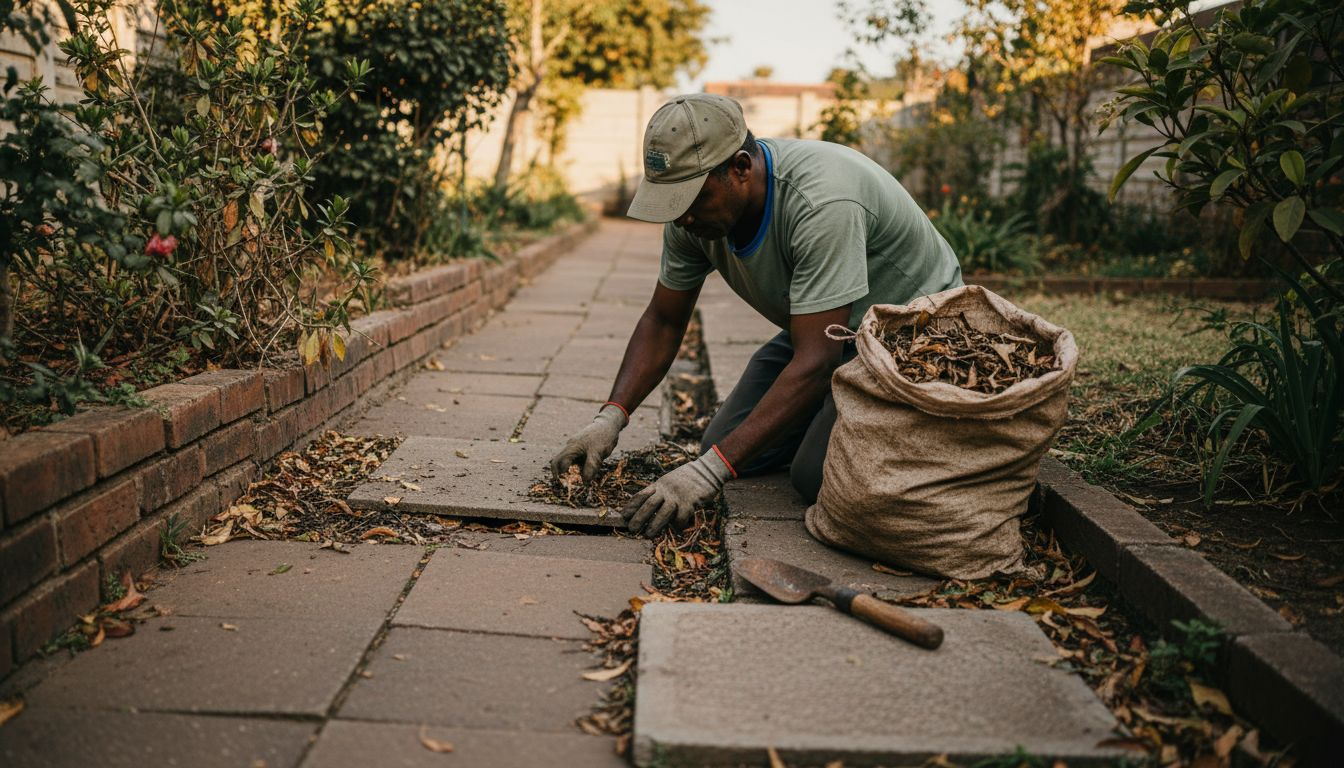
Understanding local building codes and environmental conditions remains crucial. Different regions of South Africa present unique challenges, from the humid coastal areas to the dry inland regions, requiring tailored waterproofing approaches that account for specific local conditions.
Pro tip: Consult local waterproofing professionals who understand regional environmental challenges to develop a customised moisture protection strategy for your specific property.
Choosing Quality Contractors and Products
Selecting the right waterproofing contractor requires careful consideration of multiple factors to ensure quality, reliability, and long-term protection for your property. Contractors must comply with specific legal construction requirements that guarantee professional standards and accountability in their work.
Essential contractor evaluation criteria include:
- Verified professional registrations
- Comprehensive insurance coverage
- Demonstrable industry experience
- Positive client testimonials
- Transparent pricing structures
- Proven technical expertise
- Compliance with national building regulations
Key documentation to request from potential waterproofing contractors:
- National Home Builders Registration Council (NHBRC) certification
- Professional indemnity insurance details
- Company tax clearance certificate
- Detailed project portfolios
- Specific waterproofing qualifications
- Safety compliance documentation
- References from previous clients
Selecting a waterproofing contractor is not merely about cost, but about ensuring comprehensive protection for your property’s structural integrity.
When evaluating waterproofing products, homeowners should focus on materials that offer:
- Compatibility with local climate conditions
- Long-term durability
- Proven performance in similar environmental contexts
- Manufacturer’s warranty
- Independent testing certifications
- Resistance to temperature variations
- Flexibility and crack-bridging capabilities
Understanding the nuanced differences between various waterproofing products requires technical knowledge and careful comparison. Professional guidance can help navigate the complex landscape of available solutions.
Pro tip: Request comprehensive written quotations from at least three different contractors, comparing their proposed solutions, materials, and warranty offerings to make an informed decision.
Typical Costs and Common Pitfalls to Avoid
Waterproofing investments in South African homes require careful financial planning and strategic decision-making. Waterproofing project costs vary significantly based on multiple factors including property size, complexity of application, and selected materials.
Cost ranges for typical waterproofing projects typically include:
- Liquid membrane systems: R150 – R350 per square metre
- Sheet membrane applications: R250 – R500 per square metre
- Cementitious waterproofing: R100 – R250 per square metre
- Comprehensive foundation treatments: R5,000 – R25,000 total project cost
- Roof waterproofing: R3,000 – R15,000 depending on roof area
Common financial pitfalls homeowners should avoid:
- Selecting the cheapest contractor without verifying credentials
- Ignoring long-term durability for immediate cost savings
- Failing to obtain multiple comprehensive quotes
- Overlooking potential future maintenance expenses
- Underestimating surface preparation costs
- Neglecting professional assessments
- Choosing inappropriate waterproofing materials
Investing in quality waterproofing is significantly more cost-effective than repairing extensive water damage.
Factors influencing overall waterproofing project expenses include:
For easy reference, here are factors that most impact waterproofing project costs and outcomes:
| Project Factor | Impact on Cost | Effect on Durability |
|---|---|---|
| Building complexity | Raises labour needs | Can increase risk areas |
| Surface preparation | Higher upfront cost | Essential for long-term results |
| Chosen technology | Drives material prices | Defines protection type |
| Site accessibility | Affects labour rates | Influences application quality |
| Existing damage | Adds remedial costs | May limit future lifespan |
- Property’s architectural complexity
- Extent of existing water damage
- Quality of initial surface preparation
- Chosen waterproofing technology
- Labour rates in specific regions
- Accessibility of application areas
- Additional remedial work requirements
Professional assessments remain crucial in developing accurate budget estimations and preventing unexpected financial burdens associated with improper waterproofing implementations.
Pro tip: Allocate approximately 15-20% above initial quote as a contingency budget to accommodate potential unforeseen complications during waterproofing projects.
Protect Your Home with Expert Waterproofing Solutions
Facing constant damp and mould issues can be stressful and damaging to your property’s value and your family’s health. This article highlights critical waterproofing concepts such as liquid membrane systems and foundation protection designed to prevent structural weakening and mould growth. If you want to avoid costly repairs and secure long-lasting moisture defence, tackling these challenges with professional waterproofing is vital.
Explore how tailored solutions from Pro Waterproofing address these concerns with quality materials and expert application. Our team understands South Africa’s unique climate demands and focuses on creating impermeable barrier protections and effective drainage systems for your home.
Experience peace of mind knowing your property is shielded from water damage by trusted specialists. Visit our Uncategorized – Pro Waterproofing page to learn more.
Don’t wait for damp or mould to worsen. Contact Pro Waterproofing at https://prowaterproofing.co.za today for a professional assessment. Secure your home’s future with proven waterproofing solutions tailored just for you.
Frequently Asked Questions
What is waterproofing and why is it important for homes?
Waterproofing is a protective strategy that applies specialised layers to building structures to prevent water damage and moisture infiltration, crucial for maintaining the integrity of homes.
What are the main types of waterproofing solutions available for residential properties?
The primary types include liquid membrane waterproofing, sheet membrane waterproofing, cementitious waterproofing, polyurethane liquid membranes, and bituminous waterproofing, each suited for specific applications and conditions.
How do I choose the right waterproofing method for my home?
Selecting the best waterproofing method involves evaluating factors such as surface composition, expected water exposure, potential structural movement, and budget constraints to ensure optimal protection.
What are common pitfalls to avoid when waterproofing my home?
Common pitfalls include selecting the cheapest contractor without checking credentials, overlooking long-term durability for short-term savings, and failing to conduct comprehensive assessments that may lead to inadequate waterproofing solutions.