
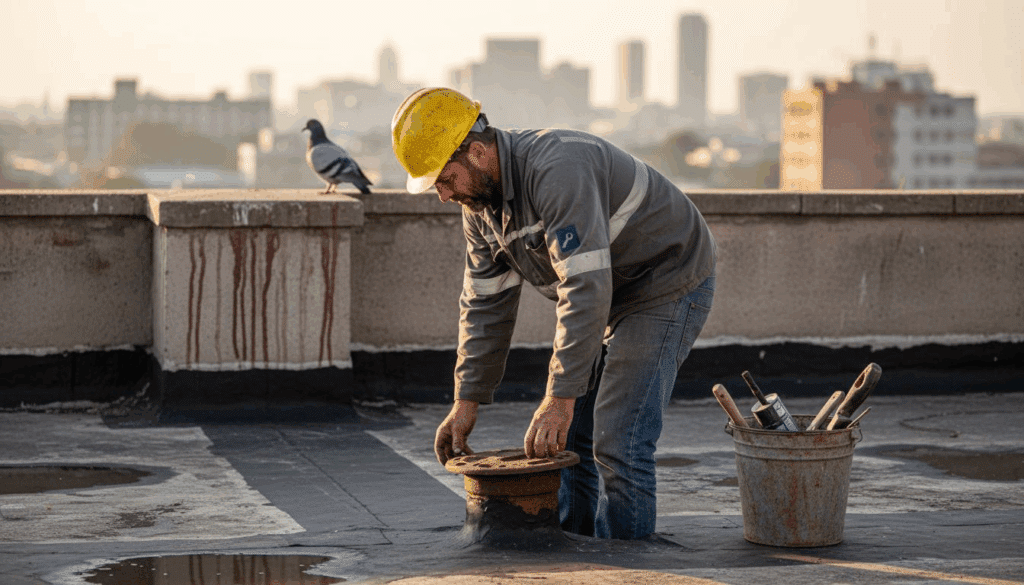
Flat roofs present unique challenges in Gauteng and Western Cape, where intense UV radiation and heavy seasonal rainfall accelerate deterioration. Without proper waterproofing, water pooling leads to leaks, structural damage, and costly repairs. This guide explains effective methods tailored to South African climate conditions, helping you protect your investment and extend your roof’s lifespan through informed material selection and maintenance practices.
Table of Contents
- Understanding Why Flat Roof Waterproofing Matters in Gauteng and Western Cape
- Common Methods of Waterproofing Flat Roofs
- How Climate and Environment Affect Waterproofing Material Choices
- Common Causes of Waterproofing Failures and How to Avoid Them
- Maintenance and Recoating Best Practices for Long-Term Protection
- Cost, Longevity, and Choosing the Right Waterproofing Solution
- Common Misconceptions About Flat Roof Waterproofing
- Practical Next Steps and Finding Professional Waterproofing Services
- Protect Your Flat Roof With Professional Waterproofing Solutions
- Frequently Asked Questions
Key Takeaways
| Point | Details |
|---|---|
| Water pooling causes 70% of flat roof leaks | Poor drainage and insufficient slope design are primary culprits requiring immediate attention. |
| UV protection extends membrane life by 35% | Aluminum or acrylic coatings significantly slow degradation from intense sunlight exposure. |
| Recoating every 3 to 5 years is essential | Regular maintenance prevents premature failures and doubles waterproofing system lifespan. |
| Professional installation prevents costly failures | Proper surface preparation and application techniques ensure long-term membrane performance. |
| Material choice depends on climate exposure | Match membranes to local UV intensity, rainfall patterns, and temperature fluctuations. |
Understanding Why Flat Roof Waterproofing Matters in Gauteng and Western Cape
Flat roofs have minimal slope, typically less than 10 degrees, causing water to pool rather than drain naturally. This standing water creates constant pressure on waterproofing membranes, accelerating wear and creating leak pathways. Nearly 70% of flat roof leaks are caused by water pooling due to poor drainage and slope design, making effective waterproofing essential rather than optional.
Gauteng and Western Cape experience particularly harsh conditions for roofing materials. Gauteng’s high altitude exposes roofs to intense UV radiation year-round, while Western Cape’s winter storms deliver heavy rainfall that tests waterproofing systems. UV rays degrade unprotected membrane materials up to 40% faster in these regions compared to coastal areas with marine layer protection.
Ignoring waterproofing creates a cascade of problems. Water infiltration damages ceiling insulation, promotes mold growth, and compromises structural elements. What starts as a small leak quickly escalates into thousands of rands in repair costs. Property values drop when buyers discover water damage during inspections.
Common consequences of neglected waterproofing:
- Ceiling stains and paint damage requiring extensive interior repairs
- Mold and mildew growth creating health hazards for occupants
- Structural beam rot compromising building safety and requiring costly replacement
- Electrical system damage from water infiltration posing fire risks
- Insulation saturation reducing energy efficiency and increasing heating costs
Effective waterproofing prevents these issues while extending roof service life by decades. Understanding flat roof waterproofing challenges and solutions helps you make informed decisions about protecting your property investment against regional climate demands.
Common Methods of Waterproofing Flat Roofs
Several proven waterproofing systems suit flat roofs in South African conditions. Each method offers distinct advantages depending on your roof’s complexity, budget constraints, and maintenance capacity. Selecting the right system requires understanding how each performs under Gauteng and Western Cape climate stresses.
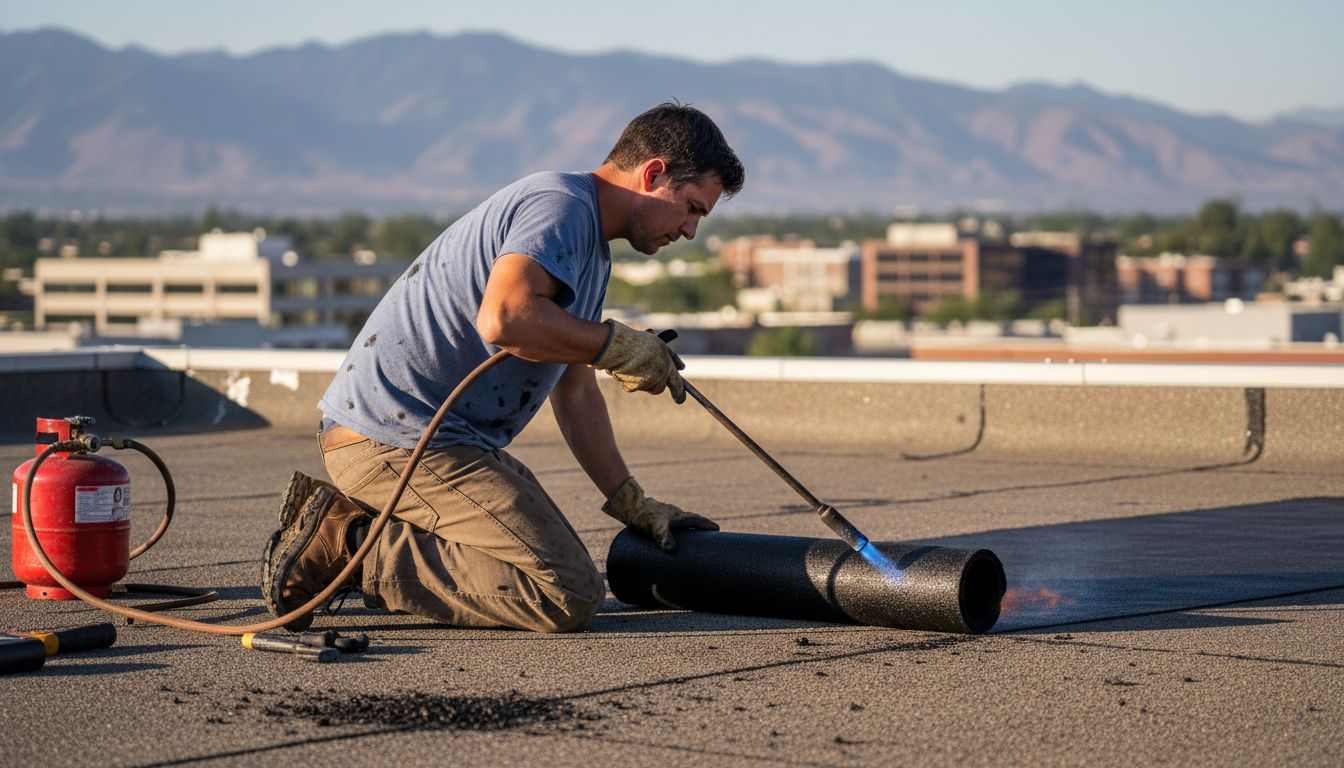
Torch-on bitumen membranes remain popular for their durability and cost effectiveness. Installers use propane torches to heat and bond multiple layers of modified bitumen to create a seamless barrier. These membranes typically last 10 to 20 years with proper UV protective coatings applied every few years. The torch application requires skilled professionals to avoid fire hazards and ensure proper adhesion.
Liquid-applied membranes using polyurethane or acrylic coatings offer flexibility for complex roof shapes. Polyurethane liquid coatings offer superior waterproofing performance but come with higher upfront costs and maintenance requirements than acrylic coatings. These seamless systems adapt to roof movement without cracking but require recoating every 5 to 8 years depending on UV exposure intensity.
EPDM rubber roofing provides the longest lifespan, often exceeding 50 years with minimal maintenance. This synthetic rubber membrane resists UV radiation, punctures, and temperature extremes better than alternatives. The higher upfront cost pays dividends through decades of reliable protection and minimal recoating needs. Installation requires fewer seams, reducing potential leak points.
Built-Up Roofing (BUR) systems layer alternating sheets of roofing felt and hot tar to create thick, durable protection. These multi-layered systems last 20 to 30 years and handle foot traffic well. However, BUR systems add significant weight to structures and require experienced installers to prevent application errors.
| Method | Lifespan | UV Resistance | Maintenance | Best For |
|---|---|---|---|---|
| Torch-on Bitumen | 10-20 years | Moderate with coating | Recoat every 3-5 years | Standard flat roofs |
| Liquid Polyurethane | 10-15 years | Good | Recoat every 5-8 years | Complex shapes |
| EPDM Rubber | 40-50 years | Excellent | Minimal | Long-term investment |
| Built-Up Roofing | 20-30 years | Good | Low | High traffic areas |
Pro Tip: Match your membrane type to roof complexity and long-term budget planning rather than selecting based solely on lowest initial cost. A higher upfront investment in EPDM often costs less over 20 years than repeatedly recoating cheaper alternatives.
Exploring essential waterproofing methods for flat roofs helps you understand which system aligns with your property needs and regional climate challenges.
How Climate and Environment Affect Waterproofing Material Choices
Gauteng’s high altitude creates intense UV exposure that accelerates membrane aging. UV exposure reduces bitumen membrane life by up to 40% and aluminum UV coatings can extend membrane life by 25-35%. Without protective coatings, standard membranes crack and blister within 5 to 7 years instead of their expected 15 to 20 year lifespan.
Temperature variations between day and night cause thermal expansion and contraction in roofing materials. Rigid membranes crack under this constant stress, creating leak pathways. Flexible systems like liquid polyurethane or EPDM rubber accommodate movement without compromising waterproof integrity. This flexibility becomes critical during Gauteng’s temperature swings of 15 to 20 degrees between day and night.
Western Cape’s winter storms deliver concentrated rainfall that overwhelms inadequate drainage systems. Heavy seasonal rains test waterproofing seams and membrane adhesion strength. Water pooling leads to 70% of leaks when drainage fails to evacuate rainfall quickly enough. Robust waterproofing combined with proper slope design and functional drainage prevents these pooling issues.
Climate factors influencing material selection:
- UV intensity requiring protective aluminum or acrylic top coatings for longevity
- Thermal expansion demanding flexible membranes that accommodate movement without cracking
- Rainfall concentration necessitating seamless application and reinforced drainage systems
- Wind exposure calling for mechanically fastened systems in exposed locations
- Pollution levels accelerating surface degradation in industrial areas
Balancing these factors guides you toward materials that perform reliably in your specific microclimate. Understanding roof waterproofing basics and climate considerations ensures your investment delivers decades of protection rather than requiring premature replacement.
Common Causes of Waterproofing Failures and How to Avoid Them
Poor drainage design causes the majority of flat roof waterproofing failures. 70% of leaks stem from water pooling caused by inadequate slope or drainage. Even premium membranes fail when standing water constantly pressures seams and adhesion points. Proper slope design directing water toward drains prevents this primary failure mode.
Insufficient surface preparation undermines membrane adhesion before installation completes. Dust, oil residue, and loose concrete particles prevent proper bonding between substrate and waterproofing layer. Professional installers thoroughly clean and prime surfaces, ensuring membranes adhere completely. Skipping these preparation steps guarantees premature delamination and leak formation.
DIY waterproofing attempts frequently lead to costly failures. Homeowners lacking specialized equipment and training make critical errors in surface preparation, membrane overlap, and seam sealing. What appears as cost savings becomes expensive when repairs require complete membrane removal and professional reinstallation within two years.
Early warning signs requiring immediate attention:
- Water stains on ceilings indicating active leaks penetrating interior spaces
- Membrane blistering showing delamination from substrate or trapped moisture
- Ponding water remaining 48 hours after rainfall signals drainage problems
- Cracking or splitting membranes exposing substrate to direct water contact
- Damp insulation patches reducing thermal efficiency and promoting mold growth
Pro Tip: Schedule biannual inspections before and after rainy season to catch early damage when repairs cost hundreds rather than thousands of rands. Small issues caught early prevent catastrophic failures requiring full membrane replacement.
Following professional waterproofing installation guide practices ensures your system performs reliably throughout its expected lifespan rather than failing prematurely due to preventable installation errors.
Maintenance and Recoating Best Practices for Long-Term Protection
Regular inspections every 6 to 12 months catch minor damage before it escalates into major leaks. Walk your roof after heavy storms checking for ponding water, membrane damage, and debris accumulation. Early detection allows simple repairs costing a few hundred rands instead of emergency leak repairs running into thousands.
Keeping roof surfaces clean prevents membrane damage and drainage blockages. Remove leaves, branches, and debris that trap moisture against membranes, accelerating degradation. Clear drainage outlets monthly during autumn when falling leaves concentrate. Pressure washing annually removes accumulated dirt without damaging properly installed membranes.
Recoating every 3-5 years can extend membrane life by 30%. This preventive maintenance costs 15% to 20% of full replacement while doubling waterproofing lifespan. Torch-on membranes need UV protective aluminum coatings reapplied every 3 to 4 years. Liquid membranes require complete recoating every 5 to 8 years depending on UV exposure intensity.
Step-by-step maintenance checklist:
- Inspect membrane surface for cracks, blisters, or delamination every 6 months
- Clear all drainage outlets and gutters of debris monthly during peak leaf fall
- Remove vegetation growth immediately before roots penetrate membrane layers
- Check seams and flashings for separation requiring resealing with compatible materials
- Schedule professional recoating when surface shows chalking or color fading
- Document all inspections and repairs for warranty compliance and future reference
Maintenance requirements vary by membrane type. EPDM systems need minimal attention beyond debris removal and occasional seam checks. Liquid-applied coatings require more frequent inspection and earlier recoating. Understanding waterproofing maintenance and recoating guide specifics for your system prevents costly surprises and ensures optimal protection.
Cost, Longevity, and Choosing the Right Waterproofing Solution
Balancing upfront investment against long-term costs reveals true value. Torch-on bitumen membranes cost R200 to R350 per square meter installed, lasting 10 to 20 years with proper UV coating maintenance. Total ownership cost including recoating reaches R400 to R500 per square meter over 20 years.
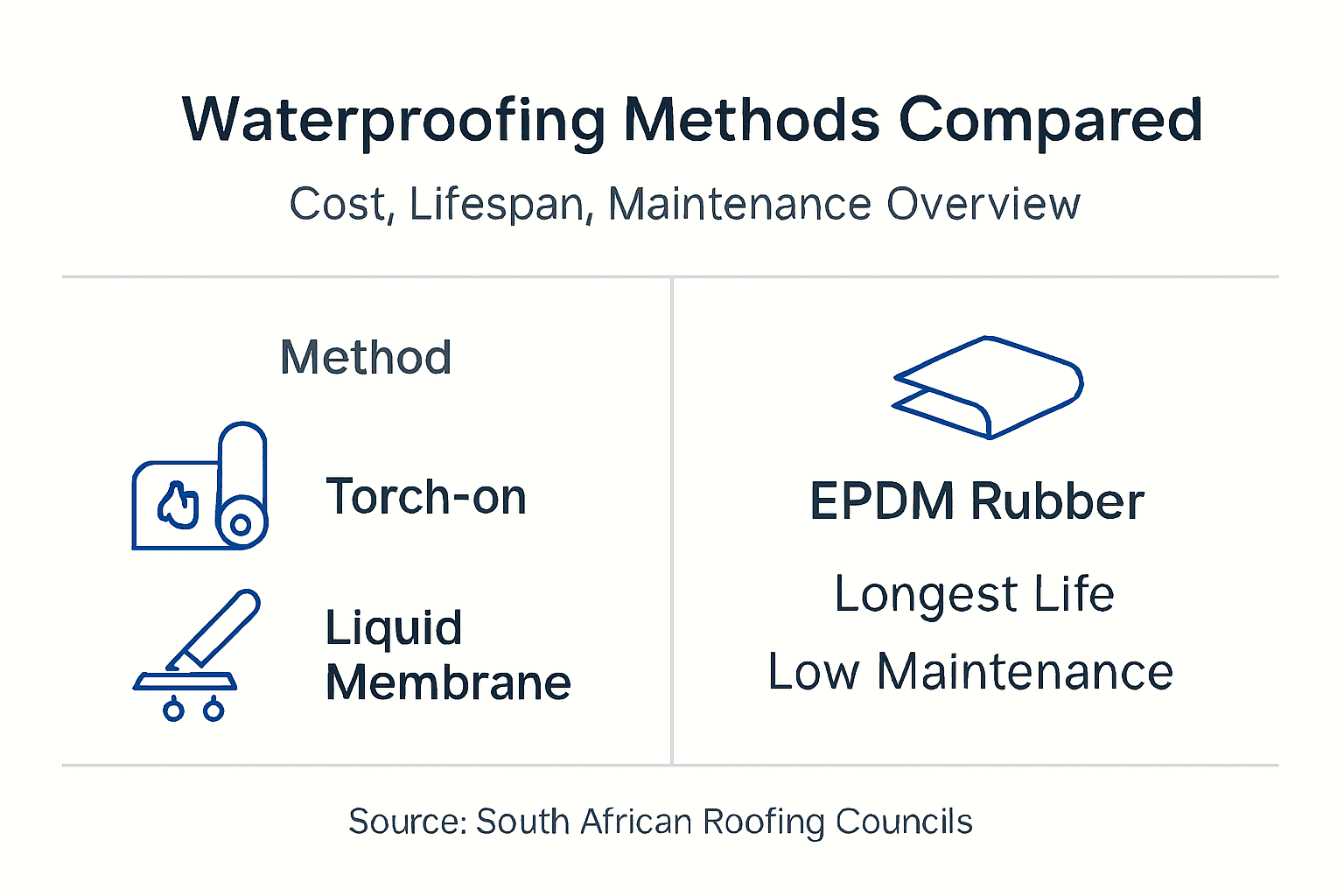
Liquid-applied polyurethane systems start at R180 to R280 per square meter but require recoating every 5 to 8 years at R120 to R180 per square meter. Over 20 years, total cost approaches R600 per square meter despite lower initial investment. These systems suit complex roof shapes where torch application proves difficult.
EPDM rubber roofing commands R400 to R600 per square meter initially but lasts 40 to 50 years with minimal maintenance beyond cleaning. Total 20 year cost stays near initial investment, making EPDM the most economical long-term choice. This option suits property owners planning extended ownership rather than near-term sale.
Built-Up Roofing systems range from R300 to R500 per square meter installed, providing 20 to 30 year lifespan. The multi-layer construction handles foot traffic well, making BUR ideal for roofs requiring regular maintenance access. Weight considerations may require structural reinforcement adding R50 to R100 per square meter.
Quick comparison for decision making:
- Budget-conscious short-term: Liquid acrylic coatings offer lowest initial cost with acceptable 8 to 10 year performance
- Standard residential: Torch-on bitumen balances cost and durability for typical homeowner needs
- Complex shapes: Liquid polyurethane adapts to architectural features standard membranes cannot accommodate
- Long-term investment: EPDM rubber provides lowest total cost over 30+ year ownership period
- High traffic areas: Built-Up Roofing withstands regular foot traffic for maintenance access needs
Consider total cost of ownership including installation, scheduled maintenance, and expected recoating when choosing the right waterproofing solution. A system costing 30% more initially often delivers 50% lower lifetime costs through reduced maintenance and longer service life.
Common Misconceptions About Flat Roof Waterproofing
Many homeowners believe waterproofing is a one-time application requiring no further attention. This misconception leads to premature failures when membranes reach their protective limits without maintenance. Reality: regular inspections and recoating every 3 to 5 years are essential for durability and prevent catastrophic failures requiring complete replacement.
Some property owners assume DIY waterproofing delivers professional results at lower cost. This rarely proves true as improper surface preparation and application technique cause failures within two years. Fact: professional installation ensures proper substrate preparation, correct membrane overlap, and weather-appropriate application timing that DIY attempts typically miss.
Another common belief suggests UV protection coatings are unnecessary marketing gimmicks once waterproof membrane is applied. Evidence contradicts this as unprotected membranes degrade 40% faster under Gauteng and Western Cape sun exposure. Fact: UV protective aluminum or acrylic coatings extend membrane life by 25% to 35%, making them essential rather than optional.
Many assume cheaper materials save money long-term through lower initial investment. Experience shows low-cost materials fail early, requiring repairs or replacement within 5 to 8 years instead of expected 15 to 20 year lifespans. Fact: premium materials and professional installation cost 20% to 30% more initially but deliver 100% to 200% longer service life, reducing total ownership costs.
Myth versus reality summary:
- Myth: Waterproofing lasts forever once applied properly
- Reality: All systems require maintenance and eventual recoating for continued protection
- Myth: Any handyman can apply waterproofing successfully
- Reality: Professional expertise in surface prep and application prevents costly failures
- Myth: UV coatings are unnecessary added expense
- Reality: Coatings extend lifespan by decades in high UV regions
- Myth: Cheapest option saves the most money
- Reality: Premium materials deliver lower total cost through extended durability
Understanding flat roof waterproofing myths and facts prevents expensive mistakes and sets realistic expectations for maintenance requirements and long-term performance.
Practical Next Steps and Finding Professional Waterproofing Services
Start by assessing your roof’s current condition and specific needs. Inspect for existing damage including cracks, pooling areas, and drainage problems. Measure roof area to estimate material quantities and project costs. Document problem areas with photos for contractor consultations.
Create a comprehensive contractor selection checklist ensuring you hire qualified professionals. Verify licensing and insurance coverage protecting you from liability during work. Request references from recent flat roof projects in your area. Confirm warranty terms covering both materials and labor for minimum 5 years.
Budget realistically for professional installation and ongoing maintenance. Quality waterproofing costs R200 to R600 per square meter depending on system type. Include 10% contingency for unexpected substrate repairs discovered during preparation. Plan annual maintenance budgets of R5,000 to R15,000 depending on roof size.
Prepare your property before installation begins. Clear roof access for equipment and materials delivery. Protect landscaping and outdoor furniture from debris. Arrange alternative accommodation if installation requires interior access for repairs. Schedule work during dry season for optimal application conditions.
Step-by-step action plan:
- Conduct thorough roof inspection documenting all damage and problem areas with photos
- Obtain three detailed quotes from licensed contractors specializing in flat roof waterproofing
- Verify contractor credentials including licensing, insurance, references, and warranty offerings
- Review material options matching your climate exposure, budget, and long-term ownership plans
- Schedule installation during optimal weather conditions avoiding rainy season complications
- Arrange post-installation inspection verifying workmanship quality and membrane coverage completeness
- Establish maintenance schedule with reminders for inspections and planned recoating intervals
Consult multiple professionals and thoroughly check references before committing. Understanding how to select a professional waterproofing contractor protects you from substandard work and ensures your investment delivers expected protection. Review understanding flat roof waterproofing essentials before contractor meetings so you ask informed questions and recognize quality proposals.
Protect Your Flat Roof with Professional Waterproofing Solutions
Your flat roof deserves protection engineered for Gauteng and Western Cape’s challenging climate conditions. Pro Waterproofing delivers expert installation using premium materials proven to withstand intense UV radiation and heavy seasonal rainfall. Professional application ensures proper surface preparation, correct membrane selection, and installation techniques that DIY attempts cannot replicate.
Our specialists guide you through material selection matching your specific roof conditions, budget parameters, and long-term maintenance capacity. We establish customized maintenance schedules maximizing your waterproofing investment’s lifespan while minimizing unexpected repair costs. Understanding why waterproofing is essential for your home helps you appreciate the value professional services deliver.
Explore comprehensive resources on selecting a professional waterproofing contractor and learn strategies for maintaining your waterproofing to extend lifespan. Start your waterproofing project with confidence knowing you have expert partners protecting your property investment.
Frequently Asked Questions
How often should I recoat my flat roof’s waterproofing membrane?
Recoating every 3 to 5 years maintains optimal protection and extends total membrane lifespan by 30% or more. Torch-on systems need UV protective coatings every 3 to 4 years while liquid membranes require complete recoating every 5 to 8 years. Schedule inspections to determine exact timing based on your membrane’s condition.
Can I waterproof a flat roof myself or should I hire a professional?
Professional installation is strongly recommended as improper surface preparation and application techniques commonly cause DIY failures within two years. Professionals ensure correct substrate cleaning, proper membrane overlap, and weather-appropriate application timing that homeowners typically cannot replicate. The initial cost savings disappear when premature failures require complete reinstallation.
What is the best waterproofing material for extreme UV exposure?
EPDM rubber roofing membranes offer superior UV resistance and longevity, often exceeding 50 years in high sun exposure areas like Gauteng and Western Cape. The synthetic rubber composition resists UV degradation far better than bitumen or acrylic alternatives. While initial costs run higher, minimal maintenance requirements and exceptional lifespan deliver best long-term value.
What are common early signs of flat roof waterproofing failure?
Water stains on interior ceilings indicate active leaks penetrating living spaces requiring immediate attention. Membrane blistering shows delamination or trapped moisture compromising waterproof integrity. Ponding water remaining 48 hours after rainfall signals drainage problems causing 70% of flat roof leaks. Address these signs immediately before minor issues escalate into structural damage.