
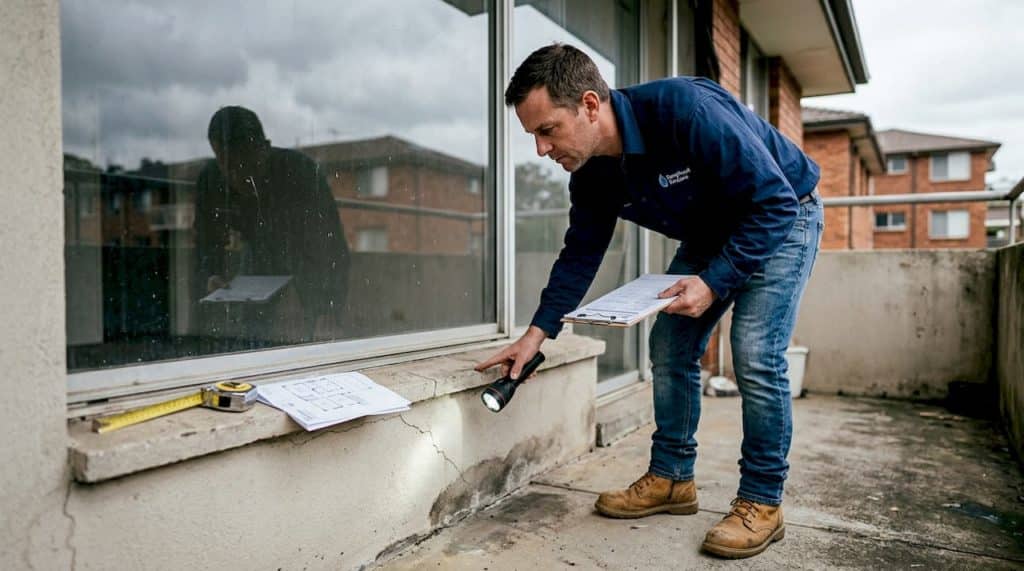
Over 80% of waterproofing failures are linked to poor workmanship or subpar materials, yet many South African homeowners still hand the job to a general builder simply because they are already on site. That decision can cost you far more than the original repair. Damp walls, rotting timber, mould growth, and structural damage are not just inconvenient; they erode your property’s value and your family’s health. This guide walks you through every practical step of selecting a qualified waterproofing specialist, so you can make a confident, well-informed decision from the very first phone call.
Table of Contents
- Why choosing the right waterproofing contractor matters
- Step 1: Assess your waterproofing needs
- Step 2: Compare and shortlist contractors
- Step 3: Examine materials, warranties, and contract details
- Final checklist and avoiding common pitfalls
- Partnering with trusted waterproofing specialists
- Frequently asked questions
Key Takeaways
| Point | Details |
|---|---|
| Insist on specialist credentials | WTASA membership and Agrément SA compliance ensure expertise and legal compliance. |
| Compare multiple itemised quotes | Ask for at least three detailed, on-site quotes to spot quality and scope differences. |
| Check materials and warranties | High-quality and certified materials paired with robust warranties protect your property long-term. |
| Review contracts carefully | Scrutinise payment terms, post-completion support, and all legal details before signing. |
Why choosing the right waterproofing contractor matters
Water ingress is one of the most destructive forces a building faces. Left unchecked, moisture works its way into concrete, corrodes steel reinforcement, and creates the warm, damp conditions that mould needs to thrive. The health implications alone, particularly for children and elderly residents, make this far more than a cosmetic issue.
Not every contractor is equipped to handle it. Specialist waterproofers offer up to 10-year warranties compared to only one or two years from general contractors, and they work to the performance benchmarks set by SANS 10400-Part L, the South African National Standard governing roof and waterproofing performance. A general builder may patch a visible leak without addressing the underlying cause, leaving you with the same problem six months later.
There are also serious financial consequences to cutting corners. DIY or unqualified work can risk insurance invalidation and structural issues, meaning your insurer may refuse a claim if the original work was not carried out by a recognised specialist. Understanding the full benefits of professional waterproofing and the role of waterproofing contractors helps you appreciate why credentials matter so much.
“A specialist waterproofer does not just stop a leak. They identify the source, apply the correct system for your specific substrate, and back their work with a warranty that actually means something.”
Key reasons to insist on a specialist:
- Compliance with SANS 10400-Part L standards
- Warranties of up to ten years on completed work
- Correct diagnosis of moisture source, not just surface treatment
- Use of materials suited to South African climate conditions
- Reduced risk of insurance complications on future claims
Now that we understand what is at stake, let us demystify the selection process itself.
Step 1: Assess your waterproofing needs
With a clear understanding of why expertise matters, the first practical step is evaluating your specific needs. Not all waterproofing problems are the same, and the solution for a flat roof in Cape Town differs significantly from basement damp in Johannesburg, where high water tables are a common challenge.
Start by walking your property and noting every area where moisture appears or could enter. Common problem zones include flat or low-pitched roofs, parapet walls, balconies, basement slabs, and wet rooms such as bathrooms and kitchens. Assessing specific needs, climate, and requesting on-site evaluations yield far more accurate quotes than a phone description ever will.
Use this process to clarify your priorities before contacting any contractor:
- Identify all visible signs of damp, staining, or efflorescence (white salt deposits on walls).
- Note the age and construction type of the affected area.
- Record how long the problem has been present and whether it worsens after rain.
- Consider your regional climate, including UV exposure, rainfall intensity, and seasonal temperature swings.
- Use a waterproofing checklist to document findings before requesting quotes.
Pro Tip: Never accept a quote given over the phone without a site visit. A reputable contractor will always inspect the area in person before pricing the job. Any contractor who skips this step is likely to underprice, then charge extras once work begins.
Working with expert waterproofing contractors who understand local conditions means your assessment will account for factors a generalist might miss entirely.
Step 2: Compare and shortlist contractors
Once your needs are defined, the next phase is finding and vetting potential contractors. This is where many property owners make costly mistakes by focusing only on price.
Key criteria include proven experience, licensing, WTASA or SAPMA membership, quality materials, transparent pricing, local references, warranties, and clear communication. WTASA is the Waterproofing Trade Association of South Africa, and SAPMA is the South African Paint Manufacturers Association. Agrément SA certification on the products used is another strong indicator of quality.
Follow these steps when comparing contractors:
- Request at least three detailed, itemised quotes in writing.
- Verify WTASA or SAPMA membership directly with the relevant body.
- Ask for proof of public liability insurance and a copy of their workmanship guarantee.
- Request photographs or site visits to at least two completed projects of a similar type.
- Assess how promptly and clearly they communicate from the very first enquiry.
| Evaluation factor | What to look for | Red flag |
|---|---|---|
| Experience | Five or more years in waterproofing specifically | Only general building experience |
| Credentials | WTASA, SAPMA, or Agrément SA | No industry memberships |
| Insurance | Valid public liability cover | Verbal assurance only |
| Warranty | Up to ten years in writing | Less than one year or verbal only |
| Quote format | Itemised with materials listed | Lump sum with no breakdown |
| References | Local, verifiable, recent | None provided or uncontactable |
Pro Tip: Ask each contractor the same set of questions for waterproofing contractors so you can compare answers fairly. Inconsistent or vague responses are a warning sign. You can also use a structured approach to selecting a waterproofing contractor and prepare with contractor interview questions before any meeting.
Trusting waterproofing experts with verifiable credentials protects you from costly rework down the line.
Step 3: Examine materials, warranties, and contract details
Shortlisting candidates is half the battle; now it is vital to scrutinise their products, promises, and paperwork. The material system a contractor proposes tells you a great deal about their technical knowledge and commitment to lasting results.
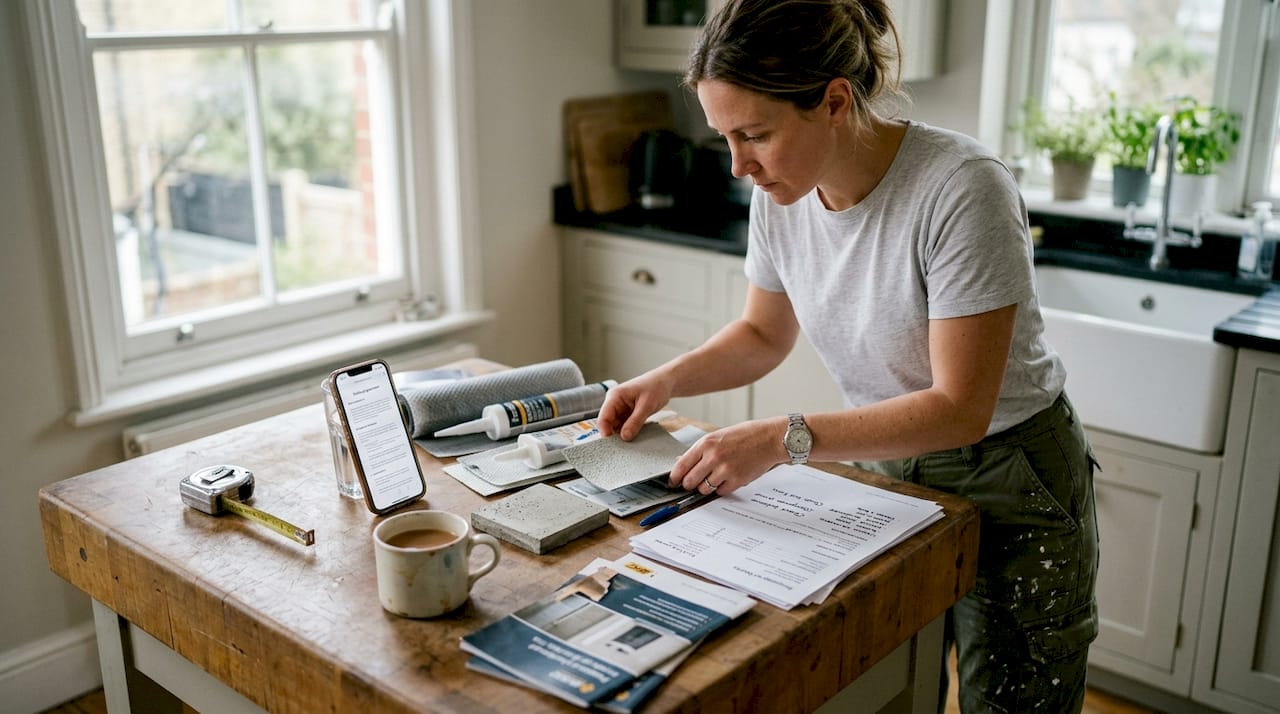
Certified, high-quality materials and strong warranties of up to ten years set specialists apart from the rest. Insist on materials that are chemical and UV-resistant, and ask for the manufacturer’s technical data sheet for each product. Some manufacturers require that their own branded primers be used alongside their membranes; skipping this step can void the product warranty entirely.
Key material and contract checks:
- Confirm that all products carry manufacturer certification for South African conditions.
- Verify that the primer and membrane are from the same approved system.
- Check that the warranty covers both materials and workmanship separately.
- Ensure post-completion support is included, such as a call-out for minor issues within the warranty period.
Review the waterproofing material certifications relevant to your project type before signing anything.
| Contract element | Why it matters |
|---|---|
| Payment schedule | Protects you from upfront payment abuse |
| Liability clause | Clarifies who is responsible for damage during work |
| Workmanship guarantee | Ensures defects are fixed at no extra cost |
| Material specifications | Prevents substitution with inferior products |
| Completion timeline | Holds the contractor accountable to a schedule |
“A contract without a clear liability clause is not a contract worth signing. If a contractor resists putting details in writing, walk away.”
Always review the questions to ask a contractor before you sign, so nothing important is left out of the agreement.
Final checklist and avoiding common pitfalls
Having explored the details, let us summarise the essentials and guard against common missteps. Even well-prepared property owners can fall into traps at the final stage.
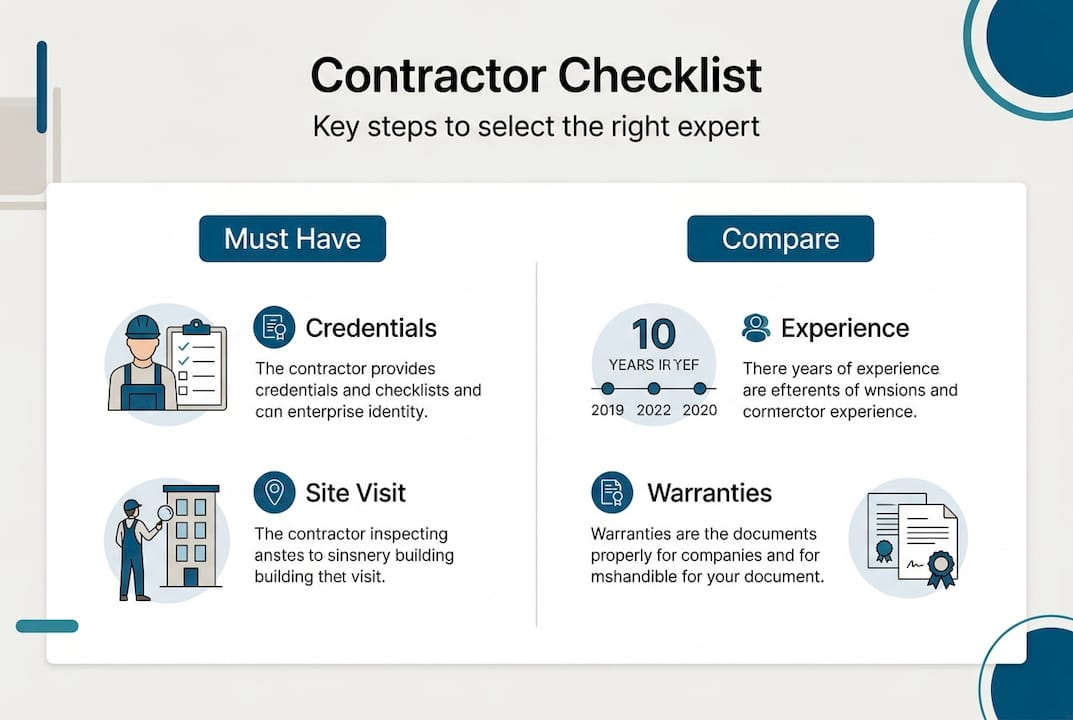
Low bids can signal poor quality, and some root causes of failure are overlooked entirely at the design stage. A price that seems too good to be true almost always means corners are being cut somewhere, whether on materials, labour, or the number of coats applied.
Before you finalise your choice, work through this checklist:
- Contact at least two references and ask specifically about post-completion support.
- Inspect a completed project in person if the contractor permits it.
- Confirm that insurance and licencing are current, not expired.
- Never pay more than a small deposit before work begins.
- Insist on a signed contract before any work starts on site.
- Compare the full scope of each quote, not just the bottom-line price.
- Check that the contractor is familiar with top waterproofing contractors standards in South Africa.
Pro Tip: Ask your contractor how they handle a situation where the problem turns out to be more extensive than initially quoted. Their answer reveals a great deal about their integrity and professionalism.
Following the steps to choosing a humidity specialist gives you a structured framework that removes guesswork from the process entirely.
Partnering with trusted waterproofing specialists
Finding the right contractor does not have to feel overwhelming. At Pro Waterproofing, we connect South African homeowners and property managers with vetted, experienced waterproofing specialists who hold the credentials, carry the insurance, and back their work with meaningful warranties.
Whether you are dealing with a leaking flat roof, persistent basement damp, or a balcony that needs full membrane replacement, our network of specialists is ready to assess your property and provide a transparent, itemised quote. You can also compare expert waterproofing contractors side by side to make the most informed decision possible. Do not wait for a small leak to become a structural problem. Reach out today and let a qualified specialist protect your investment for years to come.
Frequently asked questions
What certifications should a waterproofing contractor have in South Africa?
WTASA or SAPMA membership and Agrément SA compliance are the key credentials to look for, alongside the use of certified materials suited to South African conditions.
How many quotes should I compare before selecting a contractor?
Compare at least three detailed quotes to identify suspiciously low bids and properly assess what each contractor includes in their scope of work.
Does hiring a general contractor risk insurance claims on leaks?
Yes. Unqualified waterproofing work can lead to insurance complications and may invalidate your claim if the insurer determines the work was not carried out by a recognised specialist.
How long are typical waterproofing warranties in South Africa?
Specialists commonly offer warranties of up to ten years, while general contractors typically provide only one to two years, often without covering workmanship separately from materials.
Recommended
- How to Select Waterproofing Contractor for Reliable Results
- How to Hire a Waterproofing Contractor: A Step-by-Step Guide
- How to Choose Contractor for Waterproofing Success
- How to Choose Waterproofing Contractor for Your Property
- 7 pasos clave para elegir empresa de eliminación de humedades – Solo Humedad