
TL;DR:
- Elastomeric waterproofing moves with buildings, preventing cracking and water ingress.
- Proper application and maintenance ensure a lifespan of 10 to 20 years.
- Investing in quality elastomeric systems protects property value and reduces long-term costs.
Many South African property owners assume that any waterproofing product will do the job, so long as it covers the surface. That belief leads to costly failures. Elastomeric waterproofing is a fundamentally different approach, one that moves with your building rather than cracking under pressure. South Africa’s climate, from scorching Highveld summers to the relentless Cape winter rains, puts enormous stress on buildings. This guide explains what elastomeric waterproofing is, how it works, what benefits it delivers, and how to maintain it so your property stays protected for years to come.
Table of Contents
- What is elastomeric waterproofing?
- How elastomeric waterproofing works: Technology and application
- Benefits of elastomeric waterproofing for homes and businesses
- Maintenance and lifespan: Keeping your waterproofing effective
- Our perspective: Why most waterproofing problems in South Africa go deeper than leaks
- Find reliable elastomeric waterproofing for your property
- Frequently asked questions
Key Takeaways
| Point | Details |
|---|---|
| Flexible, long-lasting barrier | Elastomeric waterproofing expands and contracts to resist leaks for over a decade. |
| Ideal for South African climates | It withstands local weather extremes and building movement better than traditional methods. |
| Maintenance ensures value | Annual inspections and prompt repairs maximise performance and property protection. |
| Professional application recommended | Expert installation delivers optimum lifespan and avoids common pitfalls. |
What is elastomeric waterproofing?
Now that we understand why waterproofing failures happen, let’s unpack what makes elastomeric solutions different.
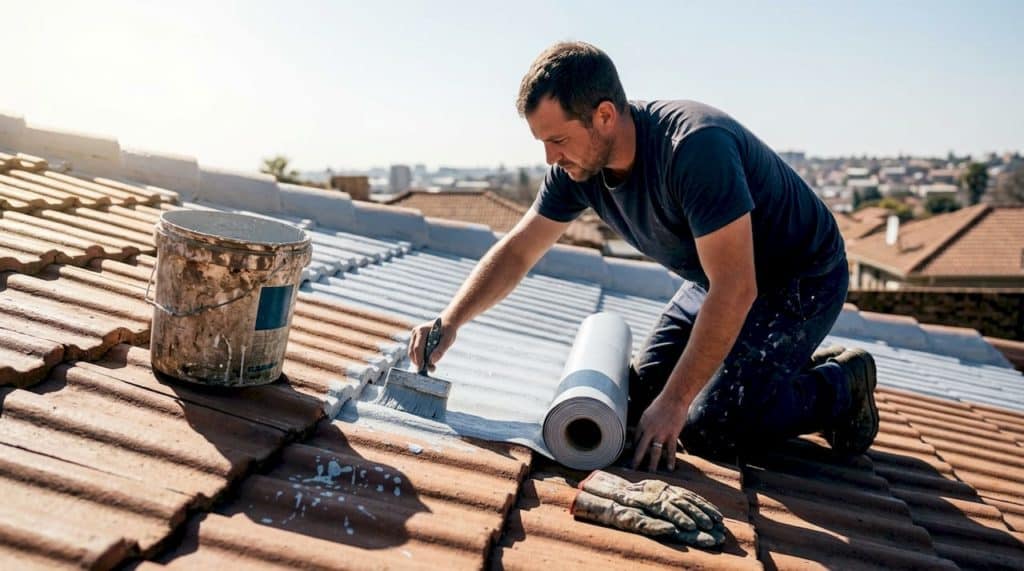
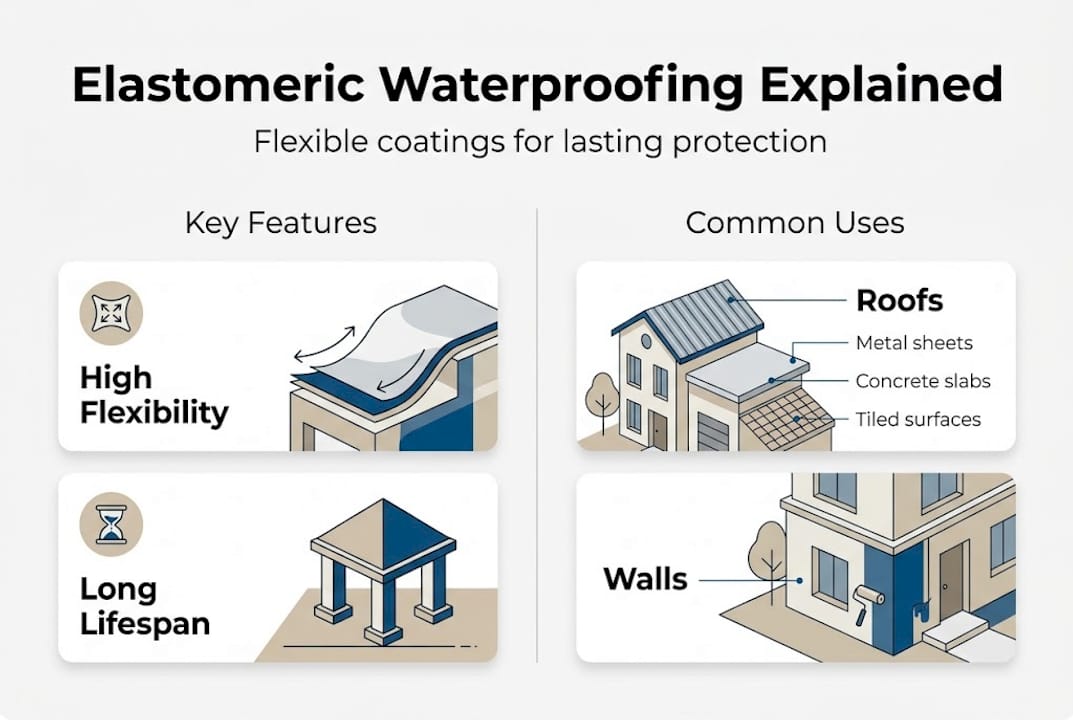
Elastomeric waterproofing refers to a category of coatings and membranes made from elastic polymers. The word elastomeric comes from “elastomer”, which simply means a material that can stretch and return to its original shape. Think of it like a thick rubber skin applied directly to your roof, wall, or slab. When the building expands in the heat or contracts in the cold, the coating moves with it instead of cracking.
This elasticity is precisely what separates these systems from traditional paints or rigid bitumen-based products. Standard coatings bond rigidly to a surface. When the substrate shifts, even slightly, the coating cracks and water finds its way in. Elastomeric coatings form a flexible, waterproof barrier ideal for dynamic building surfaces, which is exactly what every South African building is.
Key properties that make elastomeric systems stand out include:
- Elongation: Quality elastomeric membranes can stretch up to 300% before tearing.
- Recovery: After stretching, they return to their original dimensions without permanent deformation.
- UV resistance: Formulated to withstand South Africa’s intense solar radiation.
- Breathability: Many systems allow moisture vapour to escape from inside the building while blocking liquid water entry.
- Adhesion: They bond strongly to concrete, brick, fibre cement, and metal surfaces.
For a broader picture of how long these systems can serve your property, the waterproofing lifespan guide offers detailed context specific to local conditions. The bottom line is that elastomeric systems are engineered for buildings that live and breathe, which every building does.
How elastomeric waterproofing works: Technology and application
Having covered what elastomeric waterproofing is, now let’s examine how it actually works and why application is so critical.
Elastomeric membranes are typically water-based or solvent-based acrylic, polyurethane, or silicone formulations. The chemistry allows polymer chains to flex repeatedly without breaking down. Polyurethane systems are particularly popular in South Africa for flat roofs because they cure into a seamless, jointless membrane with excellent tear resistance.
The application step-by-step process matters enormously. A poorly prepared surface will cause even the best product to fail prematurely. Here is how a professional application typically unfolds:
- Surface preparation: All loose material, dirt, moss, and old failing coatings are removed. Cracks and joints are repaired with appropriate fillers.
- Priming: A compatible primer is applied to improve adhesion and seal porous substrates like concrete.
- Reinforcement: Fabric or mesh is embedded into the first coat at joints, corners, and cracks to bridge movement.
- First coat: The elastomeric membrane is applied at the specified wet film thickness.
- Second coat: Applied after the first coat cures, building up the total dry film thickness required for performance.
- Inspection: The finished surface is checked for pinholes, thin spots, and missed areas.
| Application method | Typical use case | Lifespan range |
|---|---|---|
| Brush and roller | Small areas, walls | 8 to 12 years |
| Airless spray | Large roofs, commercial slabs | 12 to 20 years |
| Torch-applied membrane | Heavy-duty flat roofs | 15 to 25 years |
For structural surfaces, the concrete waterproofing process provides additional technical guidance. Professional application helps ensure the longest lifespan and peak performance from elastomeric systems, which is why cutting corners on labour rarely saves money in the long run.
Pro Tip: Always ask your contractor for the product’s technical data sheet. It will specify the minimum dry film thickness required for waterproofing performance. Thinner applications may look fine but will fail far sooner.
Benefits of elastomeric waterproofing for homes and businesses
Understanding the process is key, but the real question is whether elastomeric waterproofing is worth the investment. Let’s compare the benefits.
Elastomeric systems outperform conventional options in nearly every measurable category. Standard bitumen-based products become brittle over time, especially under UV exposure. Regular masonry paints offer almost no real waterproofing capability. Elastomeric membranes, by contrast, remain flexible and functional for over a decade when correctly applied.
| Feature | Elastomeric system | Bitumen coating | Standard paint |
|---|---|---|---|
| Flexibility | Very high | Low | None |
| UV resistance | Excellent | Moderate | Poor |
| Typical lifespan | 10 to 20 years | 5 to 10 years | 2 to 5 years |
| Seamless application | Yes | Partial | No |
| Energy reflectance | High (light colours) | Low | Variable |
For homeowners, the energy savings alone can be significant. White or light-coloured elastomeric roof coatings reflect solar radiation rather than absorbing it, reducing internal temperatures and lowering air-conditioning costs. In South Africa’s hot interior regions, this effect is particularly valuable.
For commercial property managers, the return on investment is even clearer. Commercial waterproofing examples show how large flat-roof buildings benefit from extended maintenance cycles and reduced disruption to tenants. A quality elastomeric system can push re-waterproofing intervals from five years to fifteen, dramatically reducing long-term costs.
Additional benefits worth noting:
- Reduces structural damage from water ingress, protecting steel reinforcement in concrete.
- Maintains property value and supports favourable building inspections.
- Compatible with most existing substrates, reducing the need for full strip-outs.
Proactively protecting your property value through quality waterproofing is one of the highest-return maintenance decisions you can make. Elastomeric systems provide long-term efficiency and protection under South African weather extremes, which is a claim few other products can honestly make.
Pro Tip: Light-coloured elastomeric roof coatings can reduce roof surface temperatures by up to 20°C on a hot day. If your building has a flat concrete roof, this single benefit can justify the investment on its own.
Maintenance and lifespan: Keeping your waterproofing effective
After seeing the practical benefits, the final piece is ensuring your elastomeric system goes the distance. Here’s how to manage it.
Even the best elastomeric system needs attention over time. UV exposure, building movement, foot traffic, and debris accumulation all affect performance. The good news is that maintenance is straightforward if you stay on schedule.
A recommended maintenance routine looks like this:
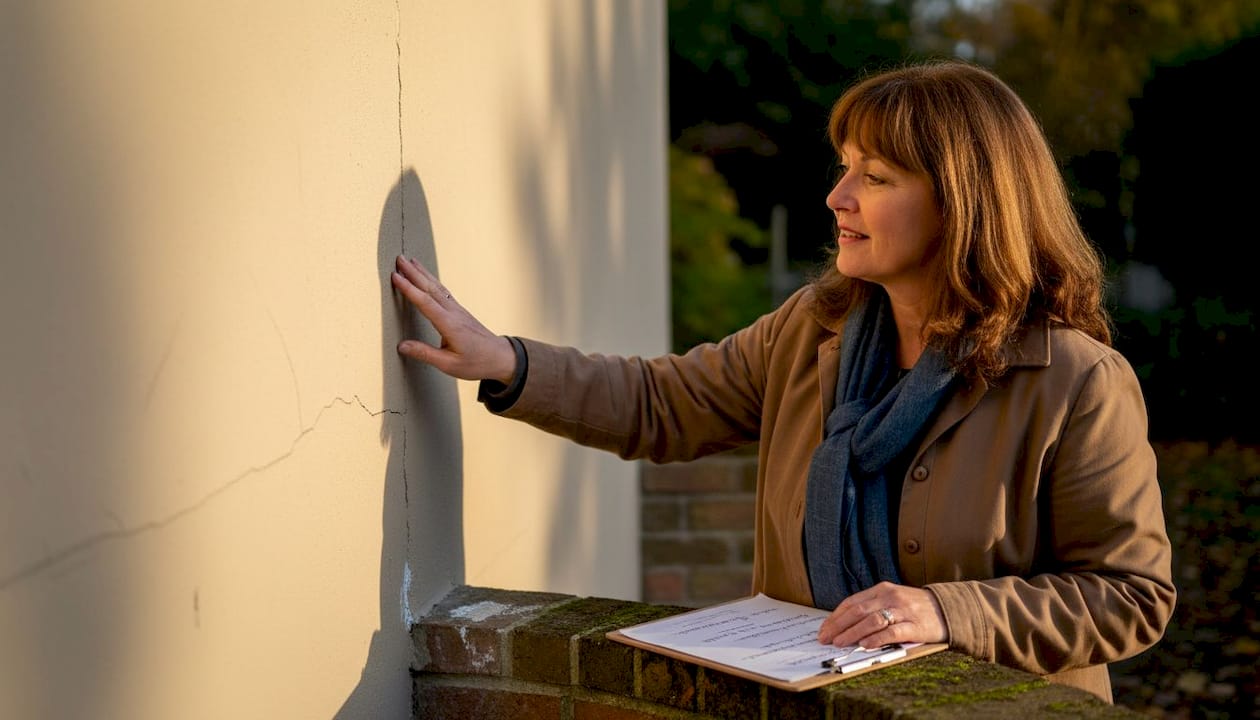
- Annual visual inspection: Walk the roof or check the walls after the rainy season. Look for blisters, cracks, peeling edges, or areas where the coating has thinned.
- Clear drainage points: Blocked gutters and drains cause ponding water, which accelerates membrane degradation.
- Spot repairs: Small cracks and blisters caught early can be repaired with compatible sealant or a patch coat, avoiding full reapplication.
- Five-year professional assessment: Have a qualified waterproofing contractor inspect the system every five years and apply a maintenance coat if needed.
Factors that shorten elastomeric lifespan include:
- Heavy foot traffic without protective walkway pads.
- Chemical exposure from cleaning products or industrial processes.
- Poor original application, particularly insufficient film thickness.
- Delayed repairs that allow water to undermine adhesion.
“Regular inspections and timely repairs extend system life and preserve your property investment.”
The cost of neglect is always higher than the cost of care. A simple spot repair might cost a few hundred rand. Allowing water ingress to damage ceiling boards, insulation, and structural elements can cost tens of thousands. Reviewing the maintenance importance guidance and the lifespan in South Africa article will give you a clear picture of what to expect from your specific system.
Our perspective: Why most waterproofing problems in South Africa go deeper than leaks
With a practical roadmap for maintenance, let’s address why many properties still face hidden waterproofing issues.
In our experience, the majority of waterproofing failures we see are not caused by product failure. They are caused by underinvestment at the start and neglect thereafter. Property owners often choose the cheapest available coating, apply it without proper preparation, and then forget about it until water is dripping through the ceiling.
The uncomfortable truth is that a cheap coating applied badly costs far more over ten years than a quality elastomeric system applied correctly from the start. We have seen this pattern repeat across both residential homes and large commercial vs residential properties throughout South Africa.
Buildings are not static objects. They move, they breathe, they expand and contract daily. Any waterproofing solution that cannot accommodate that movement is simply delaying a failure. Long-term solutions save money and stress, despite the higher initial investment, and the properties that invest proactively are consistently the ones that avoid expensive structural repairs down the line. Quality waterproofing is not a luxury. It is sound property management.
Find reliable elastomeric waterproofing for your property
Ready to take the next step? Here is how you can benefit from expert assistance.
Choosing the right waterproofing partner matters as much as choosing the right product. At Pro Waterproofing, we work with residential homeowners and commercial property managers across South Africa, delivering tailored elastomeric waterproofing solutions that are matched to your specific building, climate zone, and budget.
We do not believe in one-size-fits-all approaches. Every property gets a proper assessment before we recommend a system. Whether you are managing a sectional title complex, a warehouse, or a family home, our team provides honest advice, quality materials, and workmanship backed by warranty. Contact us today for a site-specific consultation and find out exactly what your property needs to stay protected for the long term.
Frequently asked questions
How long does elastomeric waterproofing last in South Africa?
Elastomeric waterproofing typically lasts 10 to 15 years with proper maintenance, though lifespan depends on product quality, weather exposure, and application standards. Some premium systems exceed 20 years under ideal conditions.
Is elastomeric waterproofing suitable for both roofs and walls?
Yes, flexible membranes are versatile for many structural applications, including roofs, exterior walls, parapets, and balconies exposed to harsh weather and building movement.
Can I apply elastomeric waterproofing myself?
DIY is possible for very small areas, but professional methods optimise long-term results and are required for most manufacturer warranties. Incorrect application is the leading cause of premature failure.
What maintenance does elastomeric waterproofing need?
Inspect waterproofed surfaces annually and repair cracks or blisters promptly. Annual inspection and prompt repairs maximise lifespan and prevent minor issues from becoming costly structural problems.
How does elastomeric waterproofing compare to traditional paint?
Elastomeric systems offer far greater flexibility, membrane thickness, and longevity. Elastomeric coatings outperform traditional paints in durability, UV resistance, and their ability to bridge cracks in the substrate.