
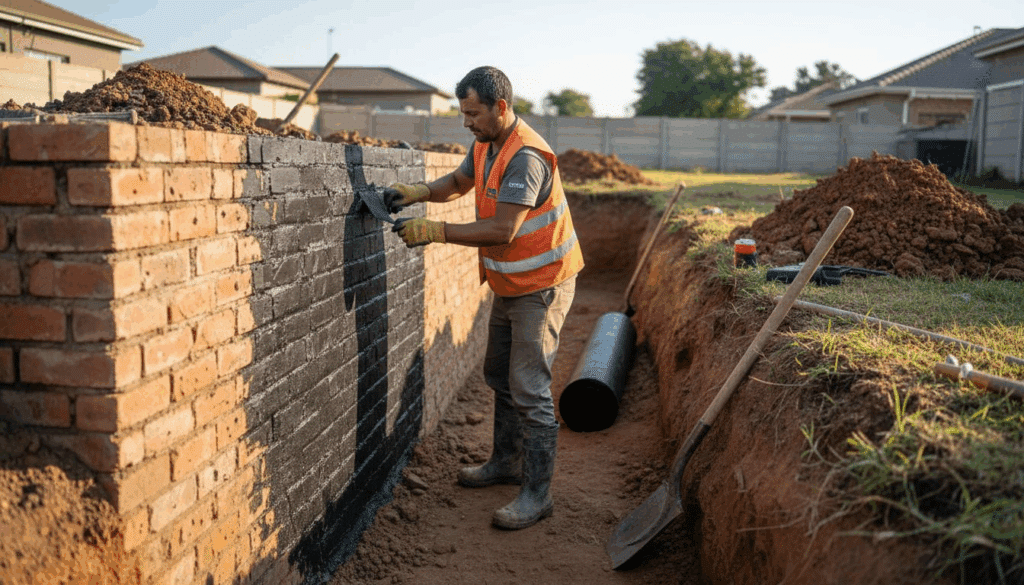
Many homeowners struggle with recurring basement moisture despite interior fixes, especially in regions like Gauteng and Western Cape where soil saturation and rain patterns persist. Exterior waterproofing is critical to prevent water damage at the source, protecting your foundation and enhancing property value. This expert guide provides a detailed, step by step approach to waterproofing basement walls from the outside, ensuring long term moisture protection for your home.
Table of Contents
- Understanding The Need For Exterior Basement Waterproofing
- Prerequisites And What You Need Before Starting
- Step By Step Exterior Basement Waterproofing Process
- Material Selection And Suitability For Gauteng And Western Cape
- Drainage Systems: Installation And Maintenance
- Common Waterproofing Failures And How To Avoid Them
- Cost Expectations And Project Timelines In South Africa
- Ensuring Regulatory Compliance And Safety
- Protect Your Gauteng Or Western Cape Home With Pro Waterproofing
- Frequently Asked Questions
Key Takeaways
| Point | Details |
|---|---|
| Exterior waterproofing success | Exterior waterproofing combined with French drain installation has a 90%+ success rate in permanent moisture prevention. |
| Excavation depth requirement | Excavation must reach footing level (1.2 to 1.5 meters) to expose the entire wall for membrane application. |
| Membrane lifespan | Flexible liquid rubber membranes maintain elasticity and effectiveness for up to 20 years in South African climates. |
| Drainage system importance | French drains and sump pumps reduce hydrostatic pressure and prolong waterproofing lifespan when properly maintained. |
| Soil grading requirement | A soil slope of at least 5% away from foundation prevents water pooling against basement walls. |
Understanding the Need for Exterior Basement Waterproofing
Regional rain patterns and soil saturation in Gauteng and Western Cape cause persistent basement water ingress that interior solutions cannot fully address. Hydrostatic pressure builds against foundation walls during heavy rains, leading to leaks, structural damage, and costly repairs. Interior waterproofing alone does not stop water at the source, often allowing moisture to persist behind walls and compromise your home’s integrity.
Exterior waterproofing provides a continuous barrier and drainage system that stops water before it reaches the walls. This approach protects your home’s foundation, prevents mold growth, and enhances property value significantly. Understanding the basement waterproofing benefits in South Africa helps you make informed decisions about protecting your investment.
Key reasons to choose exterior waterproofing include:
- Addressing water intrusion at the source before it penetrates foundation walls
- Creating a seamless moisture barrier that withstands hydrostatic pressure
- Installing drainage systems that redirect groundwater away from your home
- Preventing structural damage, mold, and foundation settlement over time
- Increasing property resale value through comprehensive moisture protection
Exterior waterproofing is particularly essential in areas with high water tables, clay soils that expand when wet, or properties experiencing repeated basement dampness despite interior treatments. Your basement walls face constant pressure from saturated soil, making exterior protection the most effective long term solution.
Prerequisites and What You Need Before Starting
Assess moisture sources and basement condition carefully to tailor your waterproofing approach. Identify visible cracks, water stains, or structural issues that require specific attention before membrane application. Check local municipal excavation permits and regulations before starting work, as most jurisdictions require approval for foundation excavation.
Gather personal protective equipment to ensure safety throughout the project. You need heavy duty gloves, waterproof boots, safety glasses, and a dust mask for handling excavation debris and chemical sealants. Select high quality waterproofing membranes, hydraulic cement, drainage materials, and appropriate excavation tools based on your basement size and soil conditions.
Prepare a soil grading plan to ensure water drains away from the foundation after backfilling. Your plan should specify slope angles, soil compaction methods, and drainage pathways. Review exterior basement waterproofing prerequisites to understand material specifications and regulatory requirements specific to South Africa.
Essential preparation steps include:
- Obtaining municipal permits for excavation around foundation structures
- Testing soil drainage capacity to determine appropriate drainage system design
- Selecting membranes compatible with local climate and soil chemistry
- Planning temporary water diversion during excavation and installation
- Scheduling work during dry seasons to minimize complications
Pro Tip: Consult a professional early to avoid overlooked regulatory requirements and enhance safety, especially if you lack excavation experience or your property has complex drainage issues.
Step by Step Exterior Basement Waterproofing Process
Follow these sequential steps to waterproof your basement walls from the outside effectively, ensuring long term moisture protection:
- Excavate soil down to footing level around basement walls, typically 1.2 to 1.5 meters deep, exposing the entire foundation surface for treatment.
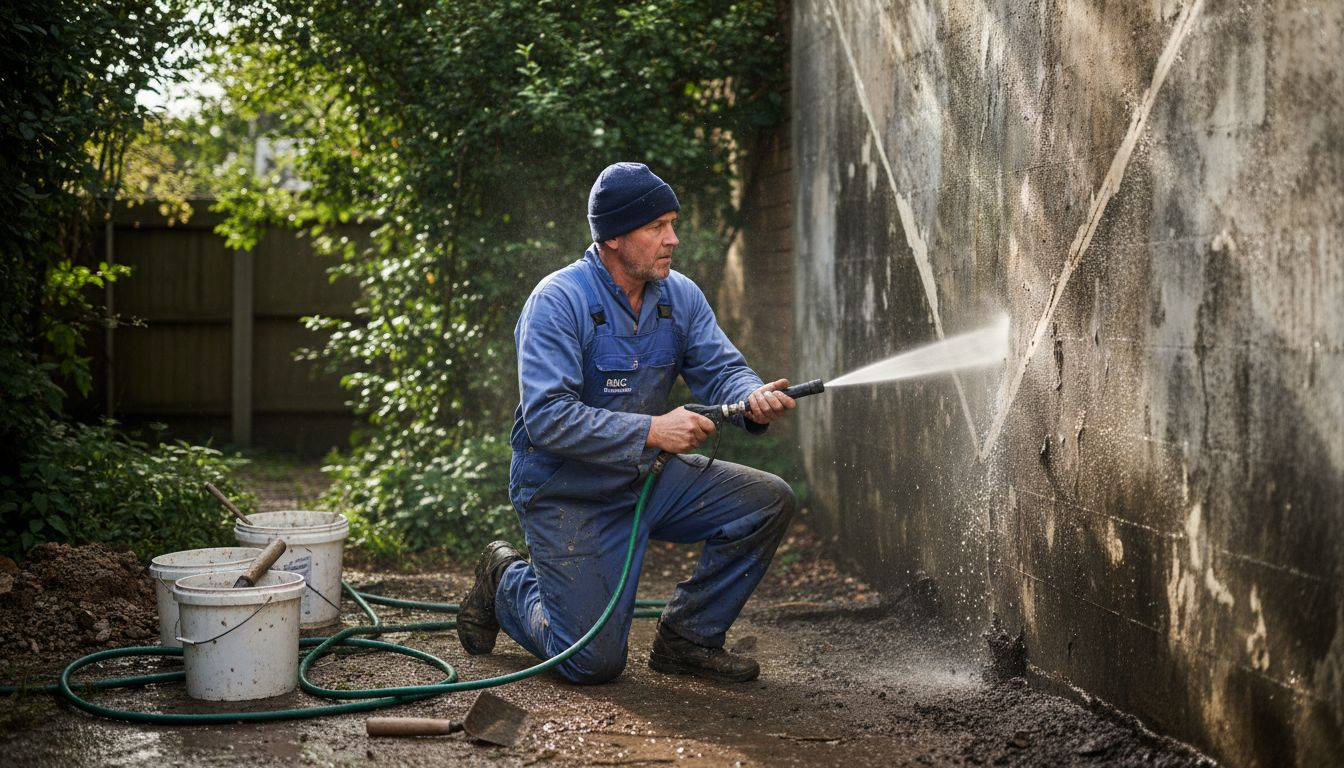
- Clean and prepare wall surface thoroughly by removing dirt, old coatings, efflorescence, and loose debris using wire brushes and pressure washing.
- Repair all cracks, holes, and damaged mortar joints with quick setting hydraulic cement that expands to seal openings permanently.
- Apply a flexible liquid rubber waterproof membrane in multiple coats to create a seamless barrier, ensuring complete coverage from footing to grade level.
- Install French drains with perforated pipes surrounded by gravel around foundation base to collect and divert groundwater away from walls.
- Backfill using well compacted soil in layers, grading the surface away from the house with at least a 5% slope to prevent water pooling.
The excavation depth is critical for success. You must expose the full wall height to apply membrane continuously and install drainage below the foundation. Shallow excavation leaves vulnerable areas where water can penetrate, undermining your entire waterproofing effort.
Surface preparation determines membrane adhesion and longevity. Remove all contaminants, repair structural defects, and allow walls to dry before membrane application. Skipping this step causes premature membrane failure and water intrusion. Review detailed waterproofing steps for comprehensive guidance on membrane application techniques.
Drainage installation is equally important as the membrane itself. French drains reduce hydrostatic pressure by channeling water away before it builds up against walls. Follow soil grading and excavation guidance to ensure proper slope and drainage system design. Learn more about sealing basement walls and preventing basement water damage through integrated approaches.
| Step | Duration | Key Considerations |
|---|---|---|
| Excavation | 2-4 days | Weather, soil type, access |
| Surface preparation | 1-2 days | Drying time, crack severity |
| Membrane application | 2-3 days | Temperature, humidity, curing |
| Drainage installation | 1-2 days | Gravel depth, pipe slope |
| Backfilling and grading | 2-3 days | Compaction quality, slope accuracy |
Pro Tip: Regularly monitor soil compaction during backfilling to avoid voids that cause drainage failures and settlement cracks in the future.
Material Selection and Suitability for Gauteng and Western Cape
Liquid rubber membranes offer seamless, elastic protection with long lifespan and superior performance in South African climates. These membranes stretch and contract with foundation movement, preventing cracks that rigid coatings develop. Bitumen based membranes provide traditional waterproofing but are less flexible, risking cracks under stress or temperature fluctuations common in Gauteng and Western Cape.
Choose membranes tested specifically for local high rainfall and soil pressure conditions. Compatibility with concrete and foundation materials is essential for proper adhesion and durability. Consider upfront material cost versus maintenance requirements and lifespan when selecting products, as premium membranes reduce long term expenses through extended protection periods.
Use waterproof coatings designed explicitly for exterior exposure and hydrostatic pressure resistance. Generic sealants or interior grade products fail quickly under exterior conditions. Review Gauteng waterproofing materials guide for region specific recommendations on membrane brands and application methods.
| Material Type | Lifespan | Flexibility | Cost Level | Best For |
|---|---|---|---|---|
| Liquid rubber | 15-20 years | High | Medium-High | Homes with foundation movement |
| Bitumen sheets | 10-15 years | Low | Low-Medium | Stable foundations, budget projects |
| Polymer membranes | 15-25 years | Medium-High | High | Premium protection, clay soils |
| Cementitious coatings | 5-10 years | Very Low | Low | Temporary solutions, low pressure |
Key material selection factors include:
- Elasticity to accommodate foundation movement and temperature changes
- Resistance to soil chemicals, salts, and microbial degradation
- Adhesion strength to concrete, masonry, and existing coatings
- UV stability for exposed areas above grade level
- Manufacturer warranty and proven performance in South African conditions
Pro Tip: Invest in premium membranes with proven track records in your region rather than cheaper alternatives that require frequent replacement and risk water damage between applications.
Drainage Systems: Installation and Maintenance
French drains are perforated pipes laid in gravel trenches to collect and redirect groundwater away from foundations. These systems reduce hydrostatic pressure by intercepting water before it reaches basement walls, extending membrane life and preventing structural damage. Sump pumps remove accumulated water in basements, crucial in high water table areas and during heavy rain events common in Gauteng and Western Cape.
Properly installed French drains and sump pumps are essential for relieving hydrostatic pressure and preventing basement flooding. Regular inspection and cleaning of drains prevent clogs from soil, roots, and debris that undermine waterproofing effectiveness. Establish a maintenance schedule inspecting drains and pumps every 12 to 24 months, or more frequently in areas with heavy vegetation or sediment rich soil.
Properly functioning drainage reduces pressure on basement walls significantly, extending membrane life and preventing costly repairs. Learn more about exterior waterproofing with drainage integration for comprehensive protection strategies.
Maintenance best practices include:
- Flushing French drain pipes annually to remove sediment buildup
- Testing sump pump operation before rainy seasons
- Clearing surface drainage pathways of leaves and debris
- Inspecting outlet pipes for blockages or damage
- Monitoring soil settlement that may affect drain slope and function
Pro Tip: Install access ports at strategic points along French drains for easy maintenance and monitoring, and ensure sump pump power supply reliability through battery backup systems.
Common Waterproofing Failures and How to Avoid Them
Inadequate excavation leaving footing partially covered compromises membrane coverage and creates water entry points below the treated area. This common mistake results from cost cutting or underestimating required depth, leading to persistent dampness despite waterproofing efforts. Skipping hydraulic cement crack repairs leads to water entry through foundation defects despite membrane application, as membranes bridge but do not seal structural openings.
Using incompatible or low quality waterproof membranes reduces durability and effectiveness, especially under hydrostatic pressure and soil chemical exposure. Poor soil backfill and lack of crack repair are leading causes of waterproofing failure that homeowners and contractors must address proactively. Poorly compacted or inappropriate soil during backfill causes drainage problems, settlement, and renewed cracking that compromises waterproofing integrity.
Neglecting maintenance of drainage systems results in clogging, overflow, and system failure that increases pressure on basement walls. Understand common waterproofing mistakes to protect your investment and ensure long term success.
Critical errors to avoid include:
- Stopping excavation before reaching footing level due to perceived difficulty
- Applying membrane over damp or contaminated surfaces without proper preparation
- Using interior grade sealants for exterior applications
- Backfilling with clay rich soil that retains moisture against walls
- Ignoring drainage system inspection and maintenance requirements
Pro Tip: Hire professionals for critical steps like excavation depth verification and crack treatment to avoid costly errors that require complete rework and cause additional water damage in the interim.
Cost Expectations and Project Timelines in South Africa
Typical exterior basement waterproofing costs vary significantly based on material quality, basement size, excavation complexity, and labor rates in Gauteng and Western Cape. DIY approaches reduce labor costs substantially but risk incomplete waterproofing or mistakes that require expensive corrections. Professional projects usually take 1 to 3 weeks depending on excavation depth, weather conditions, and drainage system complexity.
Upfront investment in quality waterproofing reduces expensive future repairs from water damage, mold remediation, and structural reinforcement. Cost factors include excavation depth and access difficulty, membrane type and coverage area, drainage installation requirements, permit fees, and compliance inspections. A detailed budget plan helps homeowners avoid surprises and plan financially for this critical home improvement.
Review basement waterproofing costs in South Africa for detailed regional pricing information and cost comparison between DIY and professional approaches.
| Project Component | Typical Cost Range (ZAR) | Duration |
|---|---|---|
| Excavation (per linear meter) | 800-1,500 | 2-4 days |
| Membrane application (per m²) | 200-450 | 2-3 days |
| French drain installation (per linear meter) | 500-900 | 1-2 days |
| Hydraulic cement repairs | 150-400 per repair | 1 day |
| Backfilling and grading | 600-1,200 total | 2-3 days |
| Professional labor (total project) | 8,000-25,000 | 1-3 weeks |
Budget considerations include:
- Higher costs for deep excavations or difficult soil conditions
- Premium for projects requiring structural repairs before waterproofing
- Savings from combined waterproofing and landscaping projects
- Long term value from reduced maintenance and increased property resale price
Planning your project during dry months reduces weather delays and allows proper curing of membranes and sealants. Factor in contingency funds of 15 to 20% for unexpected issues like additional crack repairs or drainage complications discovered during excavation.
Ensuring Regulatory Compliance and Safety
SANS standards govern waterproofing material performance and installation quality throughout South Africa, ensuring consistent protection and building code compliance. Municipal permits are often required for excavation around foundations, especially when work extends below certain depths or near property boundaries. Compliance with South African SANS standards and safety precautions during excavation and membrane application is mandatory for legal project completion.
Safety gear must be worn during excavation and membrane chemical application to prevent injury from falls, chemical exposure, and airborne particles. Environmental regulations may control soil disposal and chemical runoff, requiring proper containment and approved disposal sites. Following legal and safety standards ensures project approval, homeowner protection, and avoids penalties or required rework.
Plan for inspection and documentation as part of compliance requirements. Municipal inspectors typically verify excavation depth, drainage installation, and backfill procedures before final approval. Keep detailed records of materials used, installation dates, and contractor certifications for warranty claims and future property transactions.
Compliance essentials include:
- Obtaining building permits before starting excavation work
- Using SANS approved waterproofing materials and installation methods
- Following occupational health and safety regulations for workers
- Implementing proper shoring and trench safety measures during excavation
- Scheduling required inspections at key project milestones
- Maintaining records of compliance documentation for at least 5 years
Understanding and following these requirements protects you legally, ensures quality workmanship, and provides recourse if waterproofing fails due to non compliant installation. Consult local building departments early in planning to understand specific requirements for your area and property type.
Protect Your Gauteng or Western Cape Home with Pro Waterproofing
Having learned the comprehensive approach to exterior basement waterproofing, consider professional options to ensure the job is done right the first time. Pro Waterproofing offers tailored exterior basement waterproofing solutions designed specifically for Gauteng and Western Cape climates, soil conditions, and regulatory requirements.
Our expert team ensures compliance with local regulations and uses high quality materials proven to deliver lasting results in South African conditions. We handle excavation, membrane application, drainage installation, and final grading with precision and attention to detail. Explore our guides on choosing waterproofing solutions and discover why homeowners trust our expert residential waterproofing solutions for reliable moisture protection. Visit Pro Waterproofing to schedule a consultation and safeguard your home’s foundation today.
Frequently Asked Questions
How deep must I excavate to waterproof my basement walls from the outside?
Excavation must reach footing level, typically 1.2 to 1.5 meters deep, to expose the full wall for effective waterproofing membrane application. This depth ensures drainage installation below the foundation and prevents water pressure buildup against walls. Shallow excavation leaves vulnerable areas where water penetrates, undermining the entire waterproofing system.
Can I apply waterproofing membrane myself, or should I hire a professional?
DIY is possible for minor repairs but requires correct materials, techniques, and physical capability to avoid failures. Professional installation is recommended for excavation, membrane application, and drainage to ensure compliance, safety, and durability. Hiring experts reduces risk of common mistakes like inadequate depth, missed crack repairs, or improper membrane application that cause expensive water damage.
How long does exterior basement waterproofing usually last in Gauteng and Western Cape?
Flexible liquid rubber membranes typically last up to 20 years with proper installation and maintenance in South African conditions. Drainage systems require regular upkeep every 12 to 24 months to maintain effectiveness over the waterproofing lifespan. Environmental factors like soil movement, root intrusion, and extreme weather can affect longevity if maintenance is neglected or installation quality is poor.
What are the main causes of exterior waterproofing failure?
Inadequate excavation depth, skipped crack repairs, poor quality membranes, and improper backfill cause most waterproofing failures. Neglecting drainage system maintenance leads to clogs that increase pressure on basement walls. Using incompatible materials or cutting corners during installation compromises long term protection and requires costly rework.