

Most british homeowners underestimate just how quickly water damage can destroy property value. Waterproofing is not just a precaution, it is a necessity that can save up to 70 percent in repair costs by preventing long-term moisture problems. With climate unpredictability on the rise, understanding the science behind waterproofing protects both your investment and your peace of mind. Discover what makes waterproofing solutions effective, and why informed property owners consider them indispensable.
Table of Contents
- Understanding Waterproofing Solutions And Their Purpose
- Major Types Of Waterproofing Methods Explained
- How Waterproofing Protects South African Properties
- Long-Term Cost Savings And Value Benefits
- Common Waterproofing Mistakes To Avoid
Key Takeaways
| Point | Details |
|---|---|
| Importance of Waterproofing | Waterproofing is essential for protecting buildings from water damage, ensuring structural integrity, and prolonging property lifespan. |
| Types of Waterproofing | The main categories include Type A (Barrier Protection), Type B (Structurally Integral Protection), and Type C (Drained Protection), each tailored for specific structural needs. |
| Long-Term Cost Benefits | Effective waterproofing reduces maintenance costs, extends property longevity, and enhances overall property value, representing a strategic financial investment. |
| Common Mistakes to Avoid | Major waterproofing errors include inadequate surface preparation, incorrect material selection, and neglecting professional assessments, which can lead to significant structural vulnerabilities. |
Understanding Waterproofing Solutions and Their Purpose
Waterproofing represents a critical protective strategy designed to shield buildings and structures from water damage and moisture intrusion. By applying specialised materials and techniques, property owners can prevent structural deterioration, protect interior spaces, and extend the lifespan of their investments. Waterproofing for houses and other buildings is not negotiable when considering long-term property maintenance.
At its core, waterproofing involves creating comprehensive barriers against water penetration through various methods and materials. According to building preservation experts, waterproofing can be categorised into three primary protection types: Type A (barrier protection), Type B (structurally integral protection), and Type C (drained protection). Each approach offers unique mechanisms for controlling water ingress in different structural environments, ensuring comprehensive moisture management across various architectural configurations.
The fundamental purpose of waterproofing solutions extends beyond simple moisture prevention. These interventions protect against potentially catastrophic structural damage, preventing issues such as mould growth, concrete degradation, corrosion of reinforcing materials, and compromised building foundations. Understanding waterproofing methods becomes crucial for property owners seeking to maintain structural integrity and preserve their real estate investments.
Key components of effective waterproofing include:
- Comprehensive moisture barrier installation
- Specialised sealant applications
- Drainage system design
- Structural membrane protection
- Regular inspection and maintenance protocols
By implementing strategic waterproofing solutions, property owners can significantly mitigate water-related risks, protect their buildings from potential structural compromise, and ensure long-term durability and performance of their built environments.
Major Types of Waterproofing Methods Explained
Waterproofing encompasses a diverse range of methods designed to protect structures from moisture infiltration and potential water-related damage. Construction professionals recognise multiple approaches to creating robust water-resistant barriers, each tailored to specific structural requirements and environmental conditions. Waterproofing Systems Explained: Types, Methods, Use Cases highlights the complexity of selecting appropriate protective strategies.
Common waterproofing techniques include cementitious coatings, liquid waterproofing membranes, bituminous membranes, and polyurethane liquid membranes. These methods offer varied protection mechanisms, with each technique presenting unique advantages for different architectural environments. Structural waterproofing approaches are traditionally classified into three primary categories:
- Type A (Barrier Protection): External waterproof barriers applied directly to structure surfaces
- Type B (Structurally Integral Protection): Water-resistant materials integrated within structural elements
- Type C (Drained Protection): Systems designed to manage and redirect water away from critical structural zones
The selection of an appropriate waterproofing method depends on multiple factors, including building design, geographical location, moisture exposure levels, and potential environmental challenges. Professional assessment becomes crucial in determining the most effective solution, considering potential risks such as groundwater pressure, surface water infiltration, and structural vulnerability. 7 Essential Types of Waterproofing Membranes Explained provides deeper insights into membrane-based protection strategies.
By understanding these diverse waterproofing methodologies, property owners and construction professionals can implement targeted solutions that provide comprehensive moisture protection, ultimately safeguarding structural integrity and preventing long-term environmental degradation.
How Waterproofing Protects South African Properties
South African properties face unique environmental challenges that make robust waterproofing strategies essential for long-term structural preservation. Understanding the Importance of Waterproofing in South Africa reveals the critical role of moisture protection in maintaining property integrity across diverse climatic regions.
The protective mechanisms of waterproofing extend far beyond simple moisture barriers. Effective waterproofing safeguards buildings from comprehensive water damage, preserving structural integrity and preventing critical issues such as:
- Mould and fungal growth
- Concrete structural degradation
- Foundation erosion
- Interior surface deterioration
- Corrosion of building materials
South African properties particularly benefit from strategic waterproofing due to the region’s variable rainfall patterns and geological diversity. Coastal areas experience high humidity and salt-laden atmospheric conditions, while inland regions encounter intense seasonal precipitation and temperature fluctuations. These environmental factors necessitate specialised Roof Waterproofing approaches that address specific regional challenges.
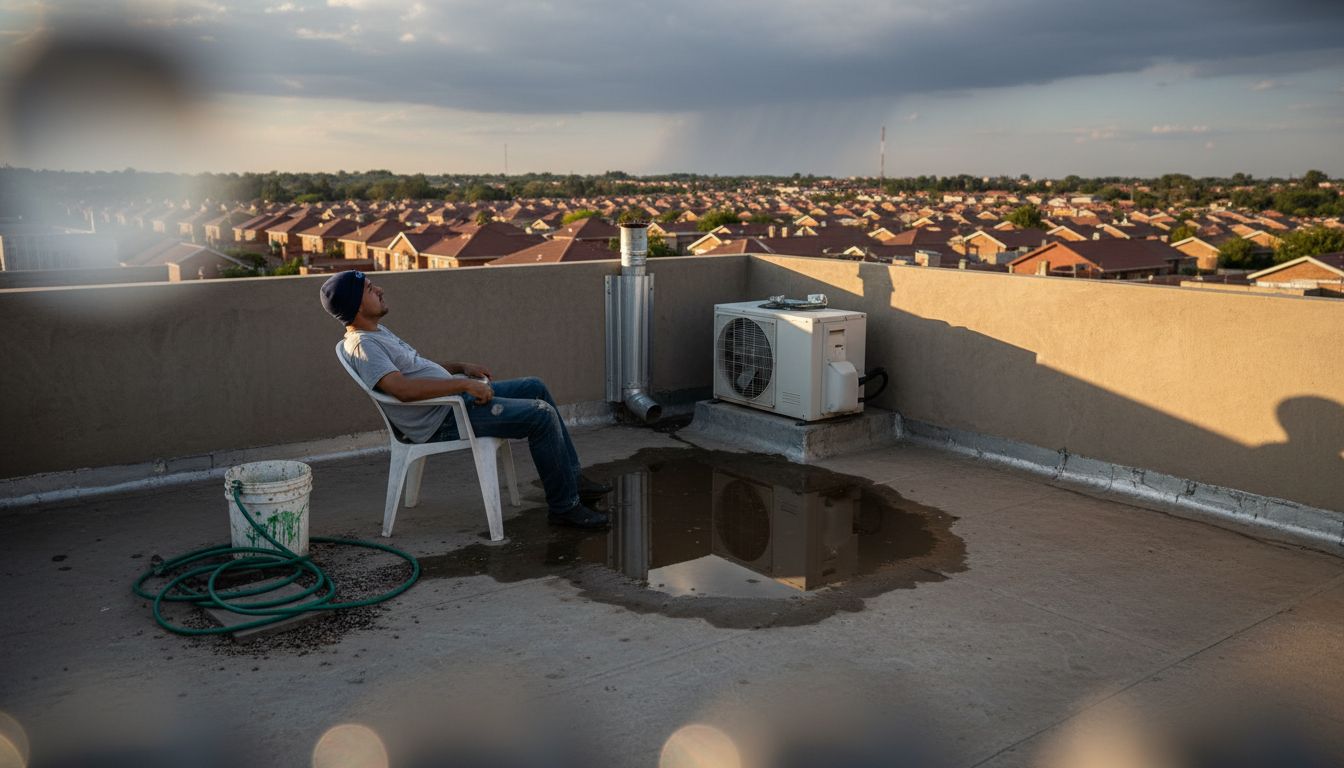
Professional waterproofing interventions provide comprehensive protection by implementing tailored solutions that account for individual property characteristics. By selecting appropriate waterproofing methods, property owners can significantly mitigate potential water-related risks, protect their investments, and ensure long-term structural resilience against South Africa’s demanding environmental conditions.
Long-Term Cost Savings and Value Benefits
Waterproofing represents a strategic investment that delivers substantial financial benefits beyond immediate moisture protection. Complete Guide to Waterproofing Materials in South Africa highlights the critical economic advantages of implementing comprehensive waterproofing solutions for property owners.
The financial implications of proactive waterproofing are significant and multifaceted:
- Reduced Maintenance Costs: Preventing water damage minimises expensive structural repairs
- Extended Building Lifespan: Protecting structural integrity increases property longevity
- Prevention of Structural Degradation: Avoiding moisture-related deterioration saves substantial replacement expenses
- Enhanced Property Value: Well-maintained properties command higher market valuations
- Lower Insurance Premiums: Reduced risk of water damage can lead to insurance cost reductions
Professional waterproofing interventions offer remarkable return on investment, with experts estimating that preventative measures can reduce potential repair costs by up to 70%. The cumulative financial benefits extend beyond immediate savings, creating a robust protective strategy that safeguards both the structural and economic value of properties.
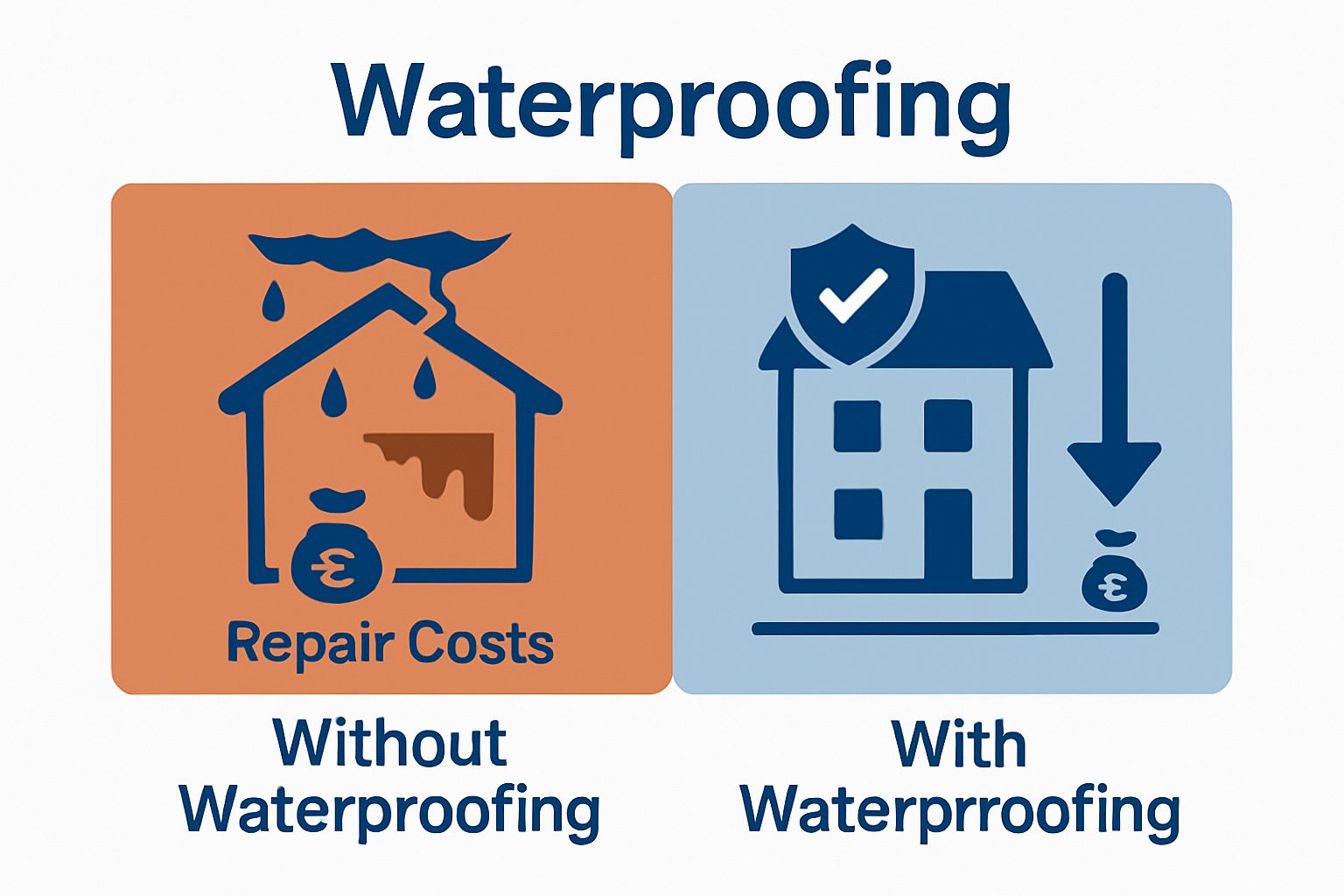
By treating waterproofing as a strategic investment rather than an optional expense, property owners can achieve significant long-term financial protection, ensuring their buildings remain structurally sound and economically valuable for decades to come.
Common Waterproofing Mistakes to Avoid
Waterproofing is a nuanced process that demands precision and expertise, with seemingly minor errors potentially leading to significant structural vulnerabilities. Understanding How to Identify Waterproofing Failures highlights the critical importance of recognising potential mistakes before they escalate into costly damages.
The most prevalent waterproofing mistakes property owners and contractors frequently encounter include:
- Inadequate Surface Preparation: Failing to properly clean and treat surfaces before application
- Incorrect Material Selection: Choosing waterproofing solutions incompatible with specific structural requirements
- Poor Application Techniques: Inconsistent or improper membrane installation
- Neglecting Environmental Factors: Ignoring regional climate and geological conditions
- Skipping Professional Assessment: Attempting DIY solutions without expert consultation
Professional waterproofing requires understanding the nuanced differences between Type A, Type B, and Type C protection systems. Many property owners mistakenly apply a one-size-fits-all approach, which can result in catastrophic moisture penetration and structural degradation. Each waterproofing method demands precise application techniques tailored to specific environmental conditions and structural characteristics.
Ultimately, avoiding these common mistakes requires professional expertise, thorough site assessment, and a comprehensive understanding of moisture protection strategies. Investing in professional consultation and high-quality waterproofing interventions can prevent potentially devastating and expensive structural damage.
Secure Your Property with Expert Waterproofing Solutions Today
Water damage and moisture intrusion can threaten the safety and value of your property in South Africa. This article highlights crucial waterproofing concepts like Type A, B, and C protection methods that prevent structural degradation, mould growth, and costly repairs. If you want to avoid common mistakes such as inadequate surface preparation or improper material choice, you need reliable, professional support tailored to your building’s unique needs.
Discover how Pro Waterproofing can help you implement effective moisture barriers, advanced sealants, and drainage systems to protect your residential, commercial, or industrial property. We serve clients across South Africa with quality craftsmanship and experienced waterproofing specialists who understand local environmental challenges. Learn more in our Uncategorized – Pro Waterproofing category.
Don’t let water damage undermine your investment. Visit Pro Waterproofing now to request a quote or expert assessment and take the first step toward a safer, more durable building. Your property deserves the best waterproofing protection available.
Frequently Asked Questions
What are the main benefits of waterproofing solutions?
Waterproofing solutions provide protection against water damage, prevent mould growth, prolong the lifespan of buildings, and safeguard the structural integrity of properties.
How do waterproofing methods differ in terms of application?
Waterproofing methods can vary in application techniques, with options like Type A (barrier protection), Type B (structurally integral protection), and Type C (drained protection), each designed for specific structural conditions.
What are the common mistakes to avoid when waterproofing?
Common mistakes include inadequate surface preparation, incorrect material selection, poor application techniques, neglecting environmental factors, and skipping professional assessments.
How can waterproofing contribute to long-term cost savings?
Effective waterproofing reduces maintenance costs, extends the building’s lifespan, prevents structural degradation, enhances property value, and can lower insurance premiums by minimising the risk of water damage.