
TL;DR:
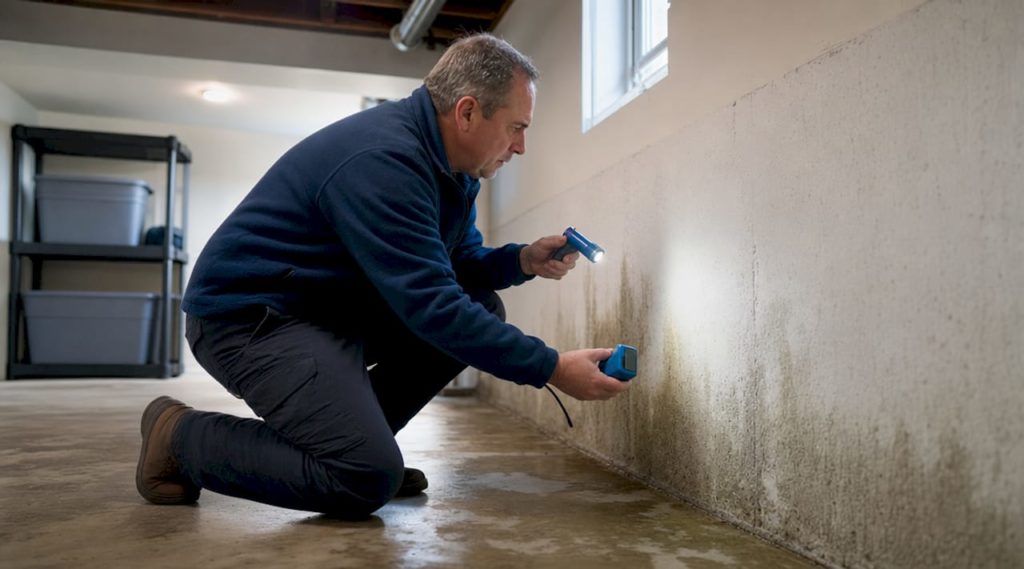
- Effective basement flooding prevention begins with proper diagnosis to identify whether water enters through condensation, seepage, hydrostatic pressure, or sewer backup.
- Prioritizing exterior solutions like grading, downspout extensions, and gutter maintenance is cost-efficient and often resolves issues without interior systems.
- For most homes, interior drainage with a sump pump and backup is reliable long-term, while exterior waterproofing is suited for structural damage or repeated failure.
Basement flooding solutions are diagnosis-led, multi-layered strategies that address the precise source of water entry before any product or system is installed. The most cost-effective approach starts with exterior grading and downspout management, then progresses to interior drainage systems such as French drains, cavity drain membranes, and sump pumps where surface fixes are insufficient. Tools like the Zoeller M53 sump pump, Delta-MS cavity drain membrane, and rain gardens each serve different water entry mechanisms. Getting the diagnosis right before spending money is the single most important step any homeowner can take.
1. Exterior grading and downspout extensions
Correcting the slope of your yard is the first and lowest-cost basement flooding solution available. Proper grading requires at least a six-inch drop away from the foundation over ten feet, which prevents surface runoff from pooling against the wall. Adding topsoil and regrading takes a weekend and costs a fraction of any interior system. Most homeowners overlook this step and go straight to expensive drainage installations that would have been unnecessary.
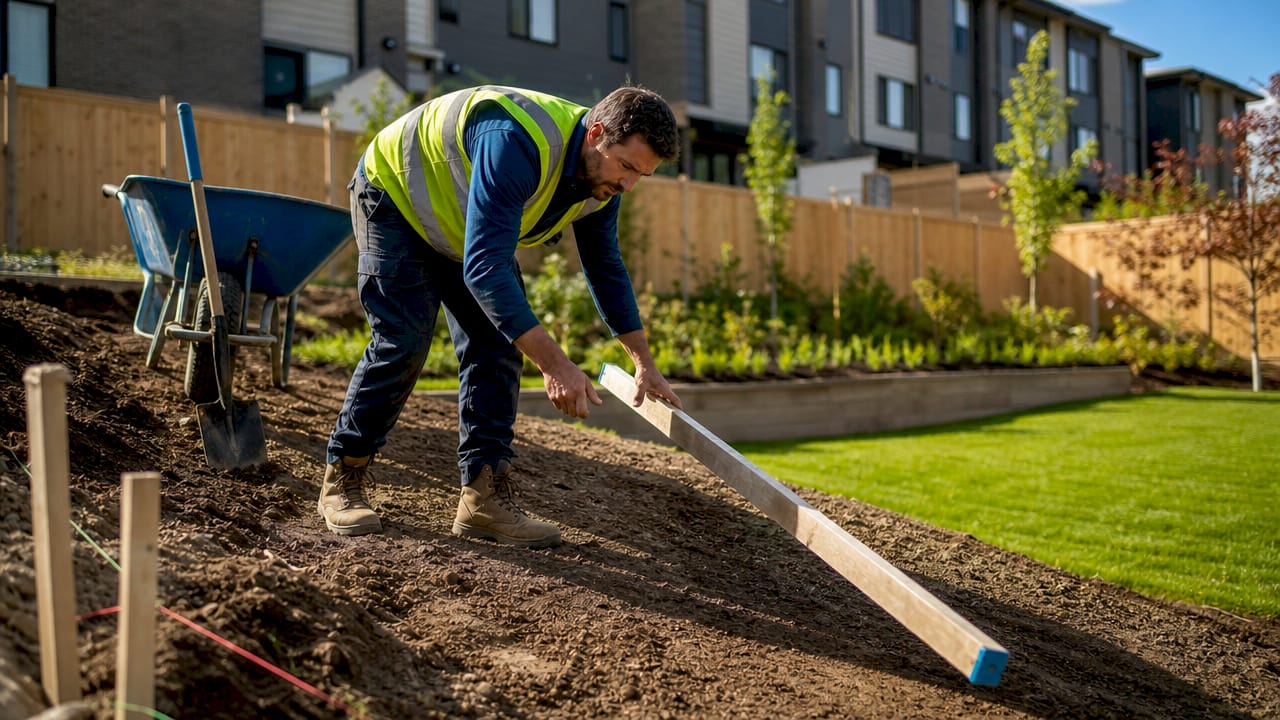
Downspout extensions are equally straightforward. Extending downspouts six to ten feet away from the foundation redirects roof runoff before it saturates the soil near your walls. Flexible plastic extensions from brands like Amerimax are inexpensive and widely available. Low-cost exterior fixes such as grading and downspout management should be prioritised before any interior drainage system is considered.
2. Interior perimeter drainage systems (French drains)
A French drain installed along the interior perimeter of the basement floor intercepts groundwater before it reaches the living space. The system channels water to a sump pit, where a pump discharges it away from the property. Interior drainage systems manage hydrostatic pressure by providing a controlled escape route rather than attempting to block water entry entirely. This is a critical distinction: blocking water under pressure rarely works long-term.
Interior perimeter drains carry a lifespan of 25 to 30 years, making them a sound long-term investment for most existing homes. Installation is disruptive for a day or two but does not require excavating the exterior. Prowaterproofing installs these systems for South African homeowners as part of a full waterproofing assessment.
3. Cavity drain membrane systems
Cavity drain membranes, such as Delta-MS or Platon, are studded plastic sheets fixed to basement walls that create an air gap between the wall and the interior. Water seeping through the wall runs down behind the membrane and into a perimeter drain rather than entering the room. Cavity drain systems suit block walls with multiple seepage points and cost between R110,000 and R220,000 (approximately $6,000 to $12,000) with a lifespan of around 20 to 25 years. This makes them a practical middle ground between basic sealing and full exterior excavation.
These systems do not stop water from entering the wall structure. They manage it. That distinction matters because it means the wall itself may continue to deteriorate if the root cause is not addressed. Cavity drain membranes work best as part of a layered solution alongside proper drainage and grading.
4. Sump pump installation and maintenance
A sump pump is the mechanical heart of any interior drainage system. Without a functioning pump, even the best perimeter drain will flood the pit and overflow. Sump pumps should be replaced every seven to ten years, and monthly testing is non-negotiable. To test, pour water into the pit until the float triggers the pump. If it does not activate within seconds, the pump needs attention.
Pump failure causes the majority of flooding during rain events, which is why backup power is not optional. A battery backup unit such as the Wayne ESP25 or a water-powered backup like the Basepump RB750 keeps the system running during load-shedding or storm-related outages. Sump pump redundancy with battery and water-powered backups is the single most overlooked aspect of basement flood prevention.
Pro Tip: Test your sump pump at the start of every rainy season, not just once a year. A pump that worked in autumn may have a seized float by spring.
5. Crack sealing and waterproof coatings
Sealing visible cracks in basement walls and floors stops minor seepage but is not a solution for hydrostatic pressure. Products like Xypex Concentrate and Drylok Extreme penetrate concrete and crystallise within the pores, blocking water at low pressure. These are appropriate for hairline cracks and minor dampness, not for walls with active water flow.
One critical point: attempting to seal cove joints against hydrostatic pressure fails because water simply finds an alternative path. Coatings and sealants work when the water source is condensation or minor surface seepage. When water is entering under pressure from saturated soil, a drainage solution is required instead.
6. Exterior waterproofing membranes and excavation
Exterior waterproofing involves excavating around the foundation, applying a waterproof membrane such as Bituthene or Tremco Paraseal directly to the outer wall, and installing a drainage board and footing drain. This method addresses the problem at its source and protects the structural integrity of the wall. Exterior waterproofing is recommended when there is structural damage, repeated interior system failure, or during new construction.
The cost and disruption are significant. Excavation requires heavy machinery, landscaping restoration, and several days of work. For most existing homes without structural damage, interior systems deliver comparable flood protection at a fraction of the cost. Exterior methods become the right choice when the wall itself is cracking or bowing under soil pressure. You can read more about exterior waterproofing techniques to understand when this investment is warranted.
7. Green infrastructure: rain gardens and permeable paving
Rain gardens are shallow, planted depressions that collect stormwater runoff from roofs, driveways, and lawns, allowing it to infiltrate slowly rather than flow toward the foundation. Rain gardens handle 20 to 30 per cent of drainage area runoff effectively, reducing the volume of water that reaches your basement walls during heavy rain. Permeable paving products like Belgard Aqua-Roc or gravel-filled cells replace impermeable surfaces with ones that allow water to pass through.
Municipal programmes in 2026 offer rebates from $500 to $5,000 for green infrastructure installations. South African municipalities are beginning to introduce similar incentive schemes for stormwater management. These solutions also improve garden aesthetics and reduce municipal stormwater fees, making them worth investigating before committing to more expensive structural work.
8. How to diagnose the cause of your basement flooding
The most common waterproofing mistake is choosing a solution based on product preference rather than diagnosing the actual water source and mechanism. Before spending anything, identify which of these four entry mechanisms applies to your basement:
- Condensation: Moisture forms on cold walls and pipes during warm, humid weather. The fix is a dehumidifier such as the Frigidaire FFAP7033T1, not drainage.
- Seepage through walls or floor: Water stains appear after rain. The source is surface runoff or shallow groundwater. Grading, downspouts, and crack sealing address this.
- Hydrostatic pressure: Water enters at the cove joint (where the wall meets the floor) during or after prolonged rain. This requires an interior drainage system with a sump pump.
- Sewer backup: Water enters through floor drains or toilets during heavy rain. A backflow prevention valve installed on the main sewer line is the correct fix.
Pro Tip: Place a sheet of plastic against a damp wall and tape all four edges. If moisture forms on the room side after 24 hours, it is condensation. If it forms on the wall side, water is coming through the structure.
9. Interior vs exterior waterproofing: which is right for you?
| Factor | Interior drainage | Exterior waterproofing |
|---|---|---|
| Cost | Lower (R50,000 to R120,000 typical) | Higher (R150,000 to R400,000+) |
| Disruption | Interior work only, 1 to 3 days | Full excavation, 3 to 7 days |
| Best for | Hydrostatic pressure, most existing homes | Structural damage, new builds, severe groundwater |
| Lifespan | 25 to 30 years (drain); 7 to 10 years (pump) | 20 to 30 years depending on membrane |
| Addresses root cause | Manages water entry | Blocks water at source |
A combined interior and exterior approach is ideal for high-risk or structurally compromised homes, balancing cost and performance. For most South African homes with standard hydrostatic pressure issues, interior drainage with a quality sump pump delivers reliable protection without the cost and disruption of excavation. Understanding the difference between these methods helps you have a more informed conversation with any contractor.
10. Window well covers and gutter maintenance
Window wells that lack covers collect rainwater and direct it straight through basement windows. Polycarbonate covers from brands like Bilco or Shape Products snap over the well and shed water away. This is a R500 to R1,500 fix that eliminates a common and entirely preventable flood entry point.
Gutters blocked with leaves and debris overflow at the fascia, saturating the soil directly against the foundation wall. Cleaning gutters twice a year and fitting mesh guards such as LeafFilter or Raptor reduces overflow risk significantly. For exterior repair and drainage on rental properties or investment homes, these low-cost maintenance steps protect both the structure and the tenancy. Gutter maintenance is the most underrated floodproofing technique available to homeowners.
Key takeaways
Effective basement flooding solutions depend on correctly identifying the water entry mechanism before selecting any product or system, with exterior fixes always prioritised over interior drainage installations.
| Point | Details |
|---|---|
| Diagnose before spending | Identify whether the cause is condensation, seepage, hydrostatic pressure, or sewer backup before choosing any solution. |
| Start with exterior fixes | Grading, downspout extensions, and gutter maintenance resolve many flooding issues without interior work. |
| Interior drainage is reliable | French drains with sump pumps last 25 to 30 years and manage hydrostatic pressure effectively in most homes. |
| Sump pump backup is non-negotiable | Battery or water-powered backup units prevent flooding during power outages, which is when storms most often strike. |
| Green infrastructure qualifies for rebates | Rain gardens and permeable paving reduce runoff and may attract municipal rebates of up to $5,000. |
What I have learnt after years of watching homeowners get this wrong
The pattern I see repeatedly is a homeowner who has spent R80,000 on interior coatings and crack sealants, only to find water still entering at the cove joint six months later. The product was not the problem. The diagnosis was. Sealing a wall against active hydrostatic pressure is like putting a plaster over a burst pipe. The water simply finds another way through.
The second mistake is neglecting the sump pump until it fails. I have seen beautifully installed perimeter drain systems rendered useless by a pump that seized during the first serious storm of the season. Monthly testing takes three minutes. Fitting a battery backup costs less than one call-out fee. These are not optional extras.
My honest advice is to spend the first R5,000 on diagnosis and exterior fixes before committing to any interior system. Regrade the yard, extend the downspouts, clean the gutters, and then reassess. In my experience, a significant number of flooding complaints are resolved entirely by these steps. For homes where groundwater pressure is the confirmed cause, interior drainage with a quality sump pump and a backup unit is the most cost-effective long-term solution available. Exterior excavation is reserved for structural damage or repeated system failure, not as a first response. Act early. Water damage compounds quickly, and the cost of waiting always exceeds the cost of acting.
— Eben
How Prowaterproofing can help protect your basement
Prowaterproofing provides professional interior and exterior basement flood protection for residential and commercial properties across South Africa. Whether your home needs a perimeter drainage system, cavity drain membrane, or a full exterior waterproofing assessment, the team at Prowaterproofing delivers solutions backed by warranties and years of local experience. Every project begins with a proper diagnosis, so you only pay for what your property actually needs. Visit the website to request a consultation and get a quote tailored to your specific flooding situation. Do not wait for the next rainy season to find out whether your basement is protected.
FAQ
What is the most effective solution for basement flooding?
The most effective solution depends on the water entry mechanism. Interior perimeter drainage with a sump pump addresses hydrostatic pressure in most existing homes, while exterior grading and downspout extensions resolve surface runoff issues at far lower cost.
How do I know if I need interior or exterior waterproofing?
Exterior waterproofing is recommended when there is structural wall damage or repeated interior system failure. For most homes, interior drainage systems manage flooding effectively without the cost and disruption of excavation.
How often should a sump pump be replaced?
Sump pumps should be replaced every seven to ten years and tested monthly by pouring water into the pit to trigger the float. A battery backup unit is strongly recommended to maintain operation during power outages.
Can I fix basement flooding myself?
DIY basement flooding solutions such as regrading the yard, extending downspouts, sealing hairline cracks, and fitting window well covers are practical and effective for minor issues. Active hydrostatic pressure or structural damage requires a professional assessment.
Do rain gardens actually reduce basement flooding?
Yes. Rain gardens handle 20 to 30 per cent of drainage area runoff, reducing the volume of water that reaches foundation walls during heavy rain. Municipal rebate programmes in 2026 make them a financially attractive option alongside their flood protection benefits.