
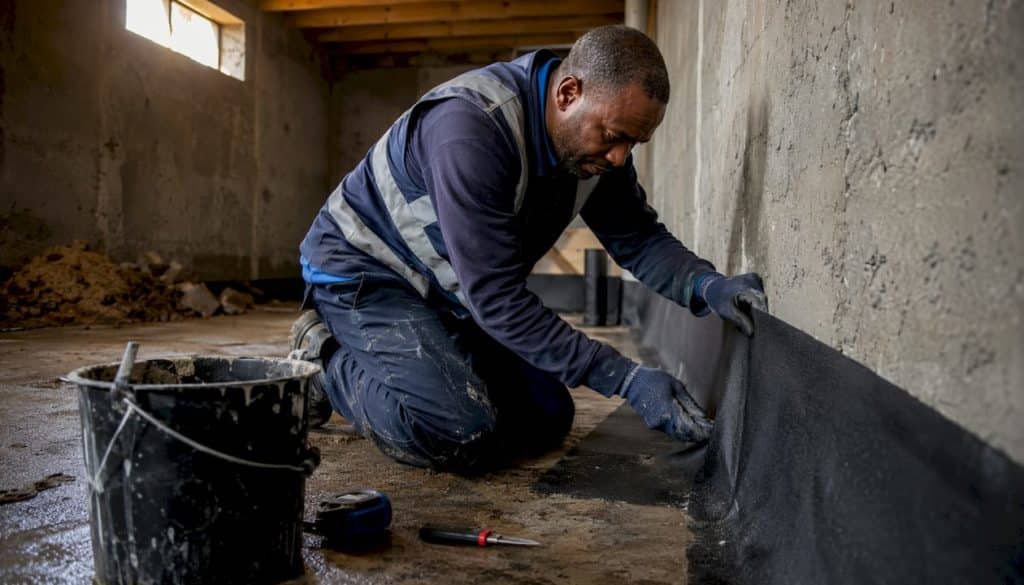
The most effective wet basement solutions combine exterior waterproofing membranes, interior sealants, sump pumps, French drains, and corrected site grading. No single fix works in isolation. South African homes face particular challenges: clay-heavy soils in Gauteng retain water against foundations, while coastal properties in the Western Cape deal with high seasonal rainfall and rising damp. Getting the combination right from the start saves you from repeated repairs and structural headaches down the line.
Table of Contents
- Proven wet basement solutions you can act on now
- Why your basement is getting wet and what to look for
- Professional waterproofing methods that actually protect basements
- Why drainage and site grading are half the battle
- How to choose a waterproofing contractor in South Africa
- How long does it take to fix a wet basement?
- Prowaterproofing: expert basement waterproofing across South Africa
- Key takeaways
Proven wet basement solutions you can act on now
The core methods that consistently work for South African basements are:
- Exterior waterproofing membranes: Applied to the outside face of foundation walls, these create a physical barrier before water ever reaches the structure. Liquid-applied and bitumen membranes are both widely used.
- Interior sealants and PU injection: Polyurethane injection fills active cracks and voids from inside, stopping seepage without excavation. Cementitious coatings add a secondary layer on interior walls.
- Sump pump systems: A sump pit collects water that enters the basement, and the pump discharges it away from the building. Pairing a sump pump with a drainage tile system is one of the most reliable combinations for fixing a wet basement.
- French drains and subsoil drainage: Perforated pipes surrounded by gravel intercept groundwater before it builds pressure against your walls.
- Vapour barriers on floors: A heavy-duty polyethylene sheet under a concrete slab or screed blocks moisture rising from the ground.
- Correct site grading: The ground around your home should slope away from the foundation at a gradient that directs rainwater outward, not inward.
Choosing quality materials and a licensed installer matters as much as the method itself. A poorly applied membrane or an undersized sump pump will fail within a few seasons, leaving you back where you started.
Why your basement is getting wet and what to look for
Poor drainage is the most common culprit. When stormwater has nowhere to go, it pools against your foundation walls and eventually finds a way through. Hydrostatic pressure, the force exerted by saturated soil pressing against concrete, is what causes structural damage over time: cracks widen, walls bow inward, and footings shift.
Other frequent causes include:
- Blocked or undersized gutters that overflow and saturate the soil directly beside the house
- Cracks in foundation walls or floor slabs, often from settlement or thermal movement
- Rising damp, where groundwater wicks upward through porous masonry
- Inadequate or absent damp-proof courses in older South African homes built before modern standards
- Flat or inward-sloping ground around the perimeter
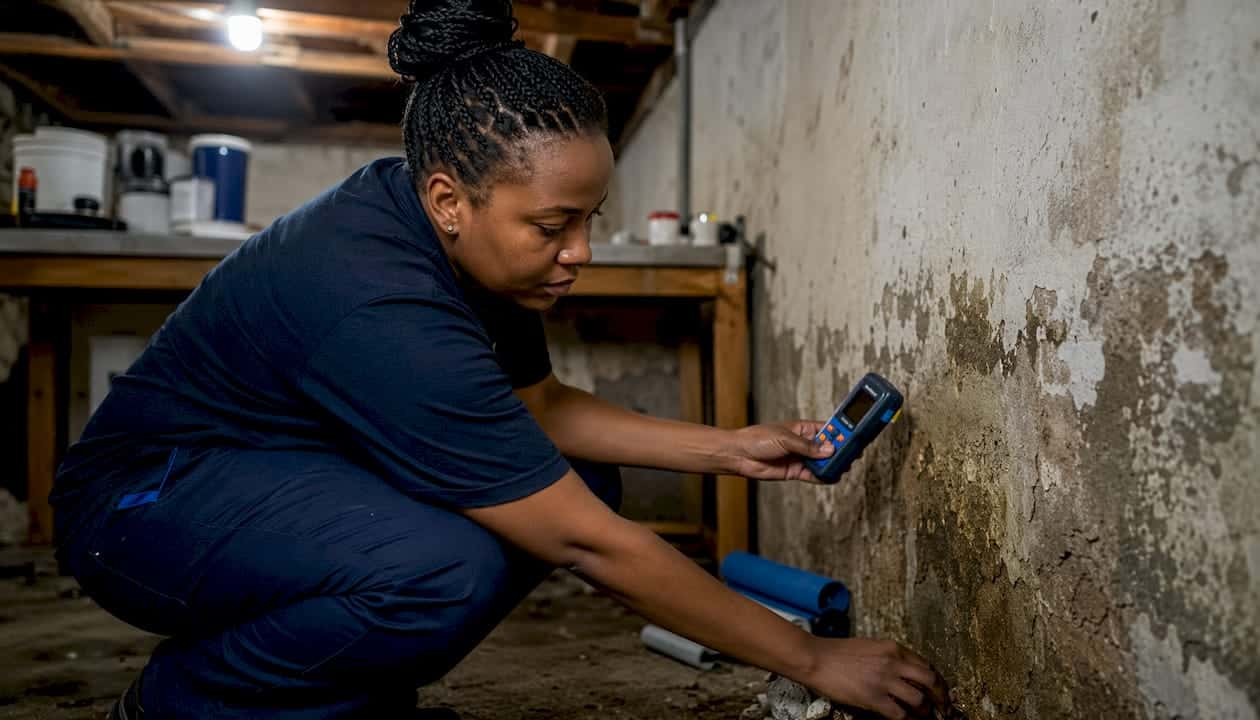
The warning signs are usually visible before the damage becomes severe. Watch for damp patches on walls or floors, white powdery deposits called efflorescence (mineral salts left behind as water evaporates), a persistent musty smell, visible mould growth, and rust stains around wall ties or reinforcing bars. In South Africa’s summer rainfall regions, symptoms often worsen between October and March, then appear to improve in winter. That seasonal pattern fools many homeowners into thinking the problem has resolved itself.
Ignoring these signs carries real consequences. Prolonged water pressure on foundations damages structural integrity, and mould growth creates health risks for occupants, particularly for anyone with respiratory conditions.
Professional waterproofing methods that actually protect basements
Waterproofing stops water under hydrostatic pressure; damp proofing only slows moisture penetration. That distinction matters enormously in a basement, where water pressure against walls can be considerable after heavy rain. Damp proofing alone is not sufficient for below-ground spaces.
The main professional techniques used in South African basements are:
- Exterior membrane application: Excavating around the foundation and applying a liquid or sheet membrane to the outer wall face. This is the most preventative approach and is standard on new builds.
- Interior cementitious coatings: Brushed or spray-applied directly onto interior masonry, these bond chemically with the substrate and resist moisture from the inside.
- PU (polyurethane) injection: Resin is injected under pressure into active cracks, expanding to fill voids and stop water flow. Sika’s range includes systems specifically designed for retrofitting residential basements and retaining walls.
- Drainage tile and sump pump systems: A perimeter drain at floor level collects any water that does penetrate and channels it to a sump pit, where a pump removes it. Vapour barriers installed over floors alongside this system prevent moisture from rising through the slab.
- Bitumen and acrylic membranes: Used on exterior walls and roofs, these provide flexible, durable coverage across a range of substrate types.
For existing homes, interior versus exterior waterproofing is rarely a straight choice. Exterior work is more thorough but requires excavation. Interior methods are less disruptive and often the practical option for retrofit situations.
Pro Tip: Never accept damp proofing as a substitute for waterproofing in a basement. Ask your contractor specifically whether the product they are proposing is rated to withstand hydrostatic pressure. If they cannot answer that question clearly, find someone who can.
Why drainage and site grading are half the battle
Waterproofing a basement without addressing drainage is like patching a leaking roof without fixing the gutters. Water will find another path. Well-engineered stormwater management, including pipe networks and catch basins, prevents exterior water from accumulating to the point where it overwhelms any membrane or sealant.
Effective drainage solutions for South African properties include:
- French drains around the perimeter: Perforated pipes in a gravel-filled trench intercept groundwater and redirect it away from the foundation. Prefabricated systems like FloDrain® from Kaytech Engineered Fabrics simplify installation and are lightweight enough for residential sites.
- Subsoil drainage pipes: Laid deeper than French drains, these lower the water table around the building. Geberit PE drainage pipes, available through Geberit Southern Africa, offer chemical resistance and durability in the harsh soil conditions found near foundations.
- Catch basins and gully installations: Surface inlets collect runoff from paved areas and roof downpipes, channelling it into the stormwater network rather than letting it pool beside the house.
- Correct site grading: The ground should fall away from the foundation at a minimum gradient. Even modest regrading of a flat or inward-sloping yard can dramatically reduce the volume of water reaching your walls.
- Channel and gutter systems: Linear drains across driveways and paved areas intercept surface water before it reaches the building.
The interplay between exterior drainage and interior waterproofing is direct: the less water that reaches your walls, the less pressure your waterproofing system has to resist. Getting the drainage right first extends the life of every other measure you put in place.
How to choose a waterproofing contractor in South Africa
The contractor you choose will determine whether your waterproofing lasts five years or twenty-five. South Africa has no shortage of operators who will apply a cheap sealant, collect payment, and disappear before the next rainy season. Protecting yourself requires asking the right questions before anyone touches your property.
Key criteria to evaluate:
- Licensing and registration: Confirm the contractor is registered with the relevant industry body and carries valid public liability insurance.
- Local experience: A contractor who has worked extensively in your region understands local soil types, rainfall patterns, and municipal drainage requirements. Ask specifically about projects in your suburb or municipality.
- Warranties: A credible contractor offers a written warranty on both materials and workmanship, typically covering several years. Get it in writing before work begins.
- References: Ask for contact details of previous clients with similar projects. A contractor confident in their work will provide these without hesitation.
- Material specifications: Ask which products they plan to use and verify those products are rated for below-ground waterproofing. Generic or unbranded products are a red flag.
- Compliance: Check that the proposed work complies with SANS (South African National Standards) requirements for waterproofing and drainage.
You can find guidance on evaluating local waterproofing services and what to expect from a professional assessment before committing to any contractor.
Pro Tip: Ask every contractor: “What happens if the waterproofing fails within the warranty period?” The answer tells you more about their confidence in their own work than any brochure will.
How long does it take to fix a wet basement?
The timeline depends heavily on the method chosen and the severity of the problem. Interior sealant applications and PU injection can often be completed in one to two days for a standard residential basement. A sump pump installation, including the drainage tile system, typically takes two to four days depending on the basement size and floor construction.
Exterior waterproofing is the most time-intensive option. Excavating around the full perimeter of a house, applying the membrane, installing drainage board and backfilling correctly takes a time period of about one to two weeks for most residential properties. If the site requires significant regrading or new stormwater infrastructure, add further time for that groundwork.
For most South African homeowners dealing with an existing moisture problem, a realistic expectation is several working days for a combined interior and drainage solution, or a longer period if exterior work is involved. Scheduling matters too: avoid starting excavation work during the summer rainfall season if possible, as open trenches fill quickly and can complicate membrane application.
Prowaterproofing: expert basement waterproofing across South Africa
Dealing with a wet basement is stressful, and the gap between a quick fix and a lasting solution usually comes down to who does the work and how thoroughly they assess the problem first.
Prowaterproofing connects South African homeowners and property managers with vetted waterproofing specialists who understand local soil conditions, seasonal rainfall patterns, and SANS compliance requirements. Whether you need an exterior membrane on a new build, a PU injection retrofit, or a full drainage and sump pump system, Prowaterproofing provides the expertise and contractor guidance to get it done properly. Every recommendation on the site is backed by real experience with South African properties, not generic advice copied from overseas guides.
Visit Prowaterproofing to request a quote or speak with a specialist about your basement’s specific situation.
Key takeaways
Effective wet basement protection in South Africa requires combining the right waterproofing method with properly engineered drainage, not treating them as separate problems.
| Point | Details |
|---|---|
| Waterproofing beats damp proofing | Only waterproofing withstands hydrostatic pressure; damp proofing alone is insufficient for below-ground spaces. |
| Drainage is half the solution | Without engineered stormwater management, even a well-applied membrane will eventually be overwhelmed. |
| Exterior and interior methods serve different needs | Exterior waterproofing suits new builds; interior retrofit methods are practical for existing homes with moisture problems. |
| Contractor selection is critical | Verify licensing, written warranties, local experience, and SANS compliance before any work begins. |
| Prowaterproofing | Connects South African homeowners with vetted specialists for basement waterproofing, drainage, and damp treatment. |