
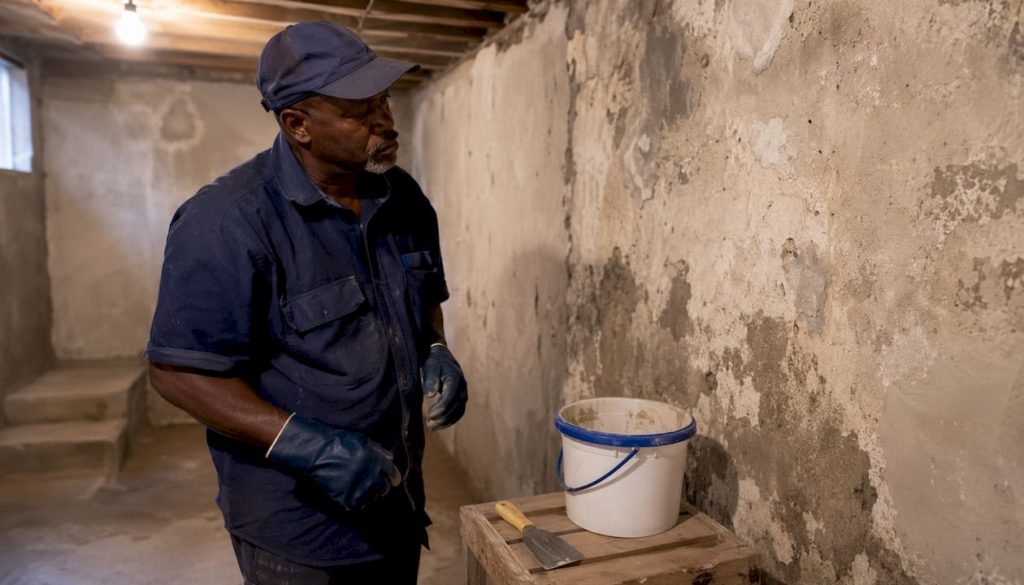
TL;DR:
- Proper waterproofing systems, not damp-proofing paints, are essential for South African basement walls to resist hydrostatic pressure. Choosing licensed contractors with experience and warranties ensures the long-term effectiveness of the waterproofing project. Surface preparation and adherence to local standards are critical for reliable basement seal protection.
Which interior basement wall sealers work best for South African homes?
The four products that consistently deliver results for South African basement walls are the Prowaterproofing system, Kilz Wall Waterproofing Paint, Radon Plus, and Sika Watertight Coating. Each targets a different type of moisture problem, so the right choice depends on what your basement is actually up against.
Prowaterproofing system suits homeowners who want a professionally applied, warranty-backed solution. It combines surface preparation, crack repair, and a cementitious or membrane-based coating tailored to South African groundwater conditions. Best for basements with active water ingress or high hydrostatic pressure.
Kilz Wall Waterproofing Paint is a paint-on interior wall sealant that blocks minor moisture and vapour. It is straightforward to apply and widely available at South African hardware retailers. Best for lightly damp walls where groundwater pressure is low.
Radon Plus is a specialist cementitious coating that seals concrete basement walls against both moisture and radon gas. It bonds directly to masonry and concrete, creating a rigid waterproof layer. Best for below-grade concrete walls in areas with known radon risk or persistent seepage.
Sika Watertight Coating is a cementitious slurry product from Sika, available through South African building suppliers. It withstands moderate hydrostatic pressure and is suitable for tanking basement walls from the inside. Best for DIY application on block or brick basement walls with consistent dampness.
| Product | Best for | South Africa availability | Ease of application | Durability and warranty |
|---|---|---|---|---|
| Prowaterproofing system | Active water ingress, high pressure | Via Prowaterproofing contractors | Professional application | Warranty-backed, long-term |
| Kilz Wall Waterproofing Paint | Minor vapour and light dampness | Hardware retailers nationwide | Easy, brush or roller | Moderate; no structural warranty |
| Radon Plus | Concrete walls, radon and seepage | Specialist waterproofing suppliers | Moderate; requires mixing | Good; depends on surface prep |
| Sika Watertight Coating | Brick or block walls, DIY tanking | Building supply chains | Moderate; slurry application | Good with correct application |
Pro Tip: Before purchasing any product, test your wall with a moisture metre. High moisture readings usually signal hydrostatic pressure rather than vapour, and that rules out paint-on sealants as a standalone fix.
Table of Contents
- Why damp-proofing paint is not enough for basement walls
- How to apply an interior basement wall sealer correctly
- How to choose a waterproofing contractor in South Africa
- Prowaterproofing: licensed basement waterproofing for South African homes
- Key takeaways
Why damp-proofing paint is not enough for basement walls
The single most common and costly mistake South African homeowners make is treating a wet basement with damp-proofing paint. Damp-proofing is designed to resist moisture vapour and minor dampness above ground. It is a thin barrier, typically bitumen coating or a plastic sheet, and it has no structural capacity to resist groundwater pushing against a below-grade wall.
Waterproofing is a fundamentally different product category. A waterproofing membrane or cementitious coating creates a fully impermeable barrier capable of stopping liquid water even when groundwater pressure is actively forcing it through the wall. Basements require a vertical damp-proof membrane or a robust waterproofing system because the vertical surface retains moist subsoil, and water will find any weakness.
The South African National Standard SANS 10021:2012 sets out the approved methods for basement waterproofing, including polyolefin membranes, bitumen-based felt, mastic asphalt, and cementitious coatings, all combined with proper drainage to manage hydrostatic pressure. Damp-proofing paint does not appear on that list for a reason. You can read more about South African waterproofing standards to understand what the regulations actually require.
Common basement wall problems that proper waterproofing can solve:
- Active seepage through cracks and construction joints
- Persistent damp patches caused by groundwater pressure
- Efflorescence (white salt deposits) from water migrating through concrete
- Mould growth driven by high interior humidity
Problems that no interior sealer can fix on its own:
- Structural cracks caused by foundation movement or settlement
- Failed external drainage allowing water to pool against the wall
- Burst or leaking water supply pipes behind the wall
- Severely deteriorated concrete requiring structural repair
Environmental and health note: Solvent-based sealants release volatile organic compounds during application. Water-based cementitious products like Sika Watertight Coating and Radon Plus carry a lower chemical risk and are the better choice for enclosed basement spaces with limited ventilation.
How to apply an interior basement wall sealer correctly
Surface preparation determines whether a sealer lasts five years or five months. Skipping this step is the primary reason DIY waterproofing fails.
Step 1: Clean and prepare the surface
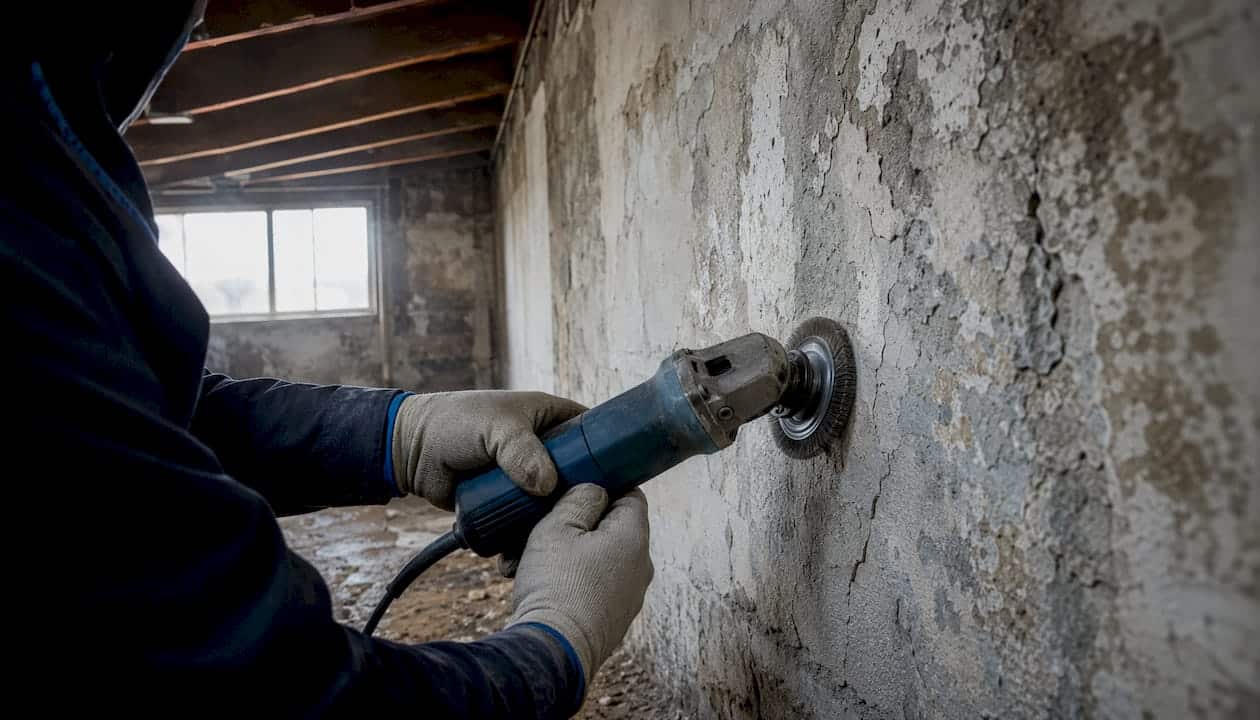
Remove all loose plaster, paint, and efflorescence with a wire brush or angle grinder. Wash the wall with clean water and allow it to dry to the degree the product instructions specify. Some cementitious sealers actually require a damp substrate, so read the technical data sheet before you start.
Step 2: Repair cracks and voids
Fill hairline cracks with a hydraulic cement or a polyurethane crack injection product. For cracks wider than 3mm, chase out the crack to a V-profile, clean it, and fill with a cementitious repair mortar. Allow full cure before applying the sealer coat. Walls must be free of loose material and structurally sound before any membrane or coating goes on.
Step 3: Apply the sealer
- Cementitious slurry (Radon Plus, Sika Watertight Coating): Mix to a lump-free consistency and apply with a stiff brush in two coats, working the product firmly into the surface. Allow the first coat to reach initial set before applying the second.
- Paint-on sealant (Kilz Wall Waterproofing Paint): Apply by brush or roller in two coats, following the manufacturer’s coverage rate. Do not thin the product.
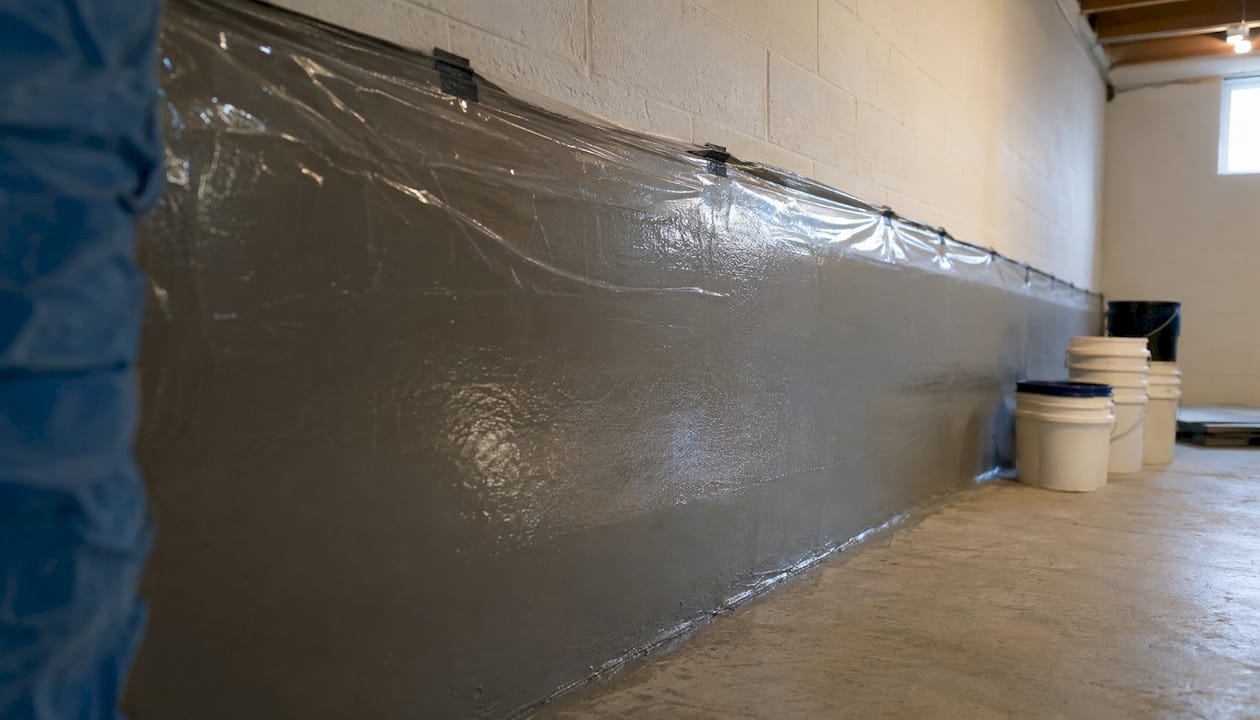
- Membrane systems: Follow the contractor’s specification. Sheet membranes require lapping, sealing at joints, and protection boards before backfilling or boarding over.
Step 4: Curing and protection
Keep cementitious coatings damp for 24–48 hours after application to prevent premature drying and cracking. Avoid application in direct sunlight or when temperatures exceed 35°C, which is a real risk during South African summers. Do not apply to frozen or frost-affected surfaces.
Protective gear required: chemical-resistant gloves, safety goggles, and an FFP2 dust mask when mixing or grinding. For solvent-based products, use a half-face respirator with organic vapour cartridges and keep the space ventilated throughout.
Pro Tip: Apply cementitious sealers in two thin coats rather than one thick coat. A thick single coat is prone to shrinkage cracking as it cures, which defeats the purpose entirely.
How to choose a waterproofing contractor in South Africa
A licensed, experienced contractor is the difference between a basement that stays dry for a decade and one that fails within a season. South Africa has no shortage of operators who will apply a coat of paint and call it waterproofing. Knowing what to look for protects your investment.
Essential qualifications to verify:
- Registered with the Master Builders Association (MBA) or the National Home Builders Registration Council (NHBRC) where applicable
- Public liability insurance and proof of current coverage
- Demonstrable experience with below-grade and basement waterproofing specifically, not just roof or damp-wall work
- Familiarity with SANS 10021:2012 requirements for basement construction
Warranty and guarantees:
Ask for the warranty in writing before signing anything. A credible contractor offers a minimum five-year workmanship warranty on basement waterproofing. Be specific: does the warranty cover both materials and labour? What is the process if a failure occurs? Vague verbal assurances are worth nothing once the contractor has been paid.
Questions to ask before hiring:
- Can you provide references from at least two completed basement waterproofing projects in South Africa?
- Which specific products and systems will you use, and why are they suited to my wall type?
- What surface preparation is included in your quote?
- How do you handle active water ingress during application?
Typical costs and timelines: Project costs vary with wall area, the extent of crack repair needed, and the waterproofing system specified. A straightforward cementitious tanking job on a small basement typically takes two to three days. Larger projects involving drainage installation or membrane systems take longer. Always get at least three written quotes and compare them line by line, not just by total price.
Pro Tip: Be wary of any contractor who quotes without inspecting the wall in person. A proper assessment requires seeing the wall dry and wet, checking drainage, and identifying the source of water entry. A quote based on photos alone is a red flag.
For a deeper look at basement waterproofing methods suited to South African conditions, Prowaterproofing’s resource library covers the technical options in detail. You can also review foundation-related moisture problems to understand why surface-only treatments so often fall short when groundwater is the root cause.
Prowaterproofing: licensed basement waterproofing for South African homes
Choosing the right product is one part of the problem. Getting it installed correctly, with the surface preparation, crack repair, and drainage assessment that actually make it last, is where most DIY attempts fall short. Prowaterproofing connects South African homeowners with licensed waterproofing contractors who specialise in below-grade and basement waterproofing solutions, backed by written warranties and full compliance with SANS 10021:2012.
Unlike a hardware-store product with no follow-up, Prowaterproofing’s service includes an on-site assessment, a detailed written quote, and a workmanship guarantee. The contractors in the network carry public liability insurance and have verifiable experience with South African basement conditions, from Johannesburg’s clay-heavy soils to the high water tables common along the KwaZulu-Natal coast.
Get a quote from Prowaterproofing at prowaterproofing.co.za and have a licensed specialist assess your basement before the next rainy season.
Key takeaways
The most effective interior basement wall sealers for South African conditions combine proper surface preparation with a waterproofing-grade product, not a damp-proofing paint, to resist hydrostatic pressure from groundwater.
| Point | Details |
|---|---|
| Waterproofing vs damp-proofing | Damp-proofing paint cannot resist hydrostatic pressure; basements require full waterproofing membranes or cementitious coatings. |
| SANS 10021:2012 compliance | South African standards mandate polyolefin membranes, mastic asphalt, bitumen felt, or cementitious coatings for basement walls. |
| Surface preparation is critical | Walls must be clean, crack-repaired, and structurally sound before any sealer is applied or the coating will fail prematurely. |
| Contractor selection | Verify MBA or NHBRC registration, public liability insurance, and a written minimum five-year workmanship warranty before hiring. |
| Prowaterproofing | Connects homeowners with licensed South African contractors for warranty-backed basement waterproofing, assessed on-site. |