
TL;DR:
- A waterproof sealant for flat roofs is a liquid-applied coating that cures into a flexible, seamless membrane resistant to ponding water. Proper surface preparation, substrate compatibility, and thorough inspections are essential for long-lasting waterproofing, with silicone coatings offering the highest durability for drainage issues. Mistakes such as applying over structural damage or using unsuitable products significantly shorten the sealant’s lifespan and increase repair costs.
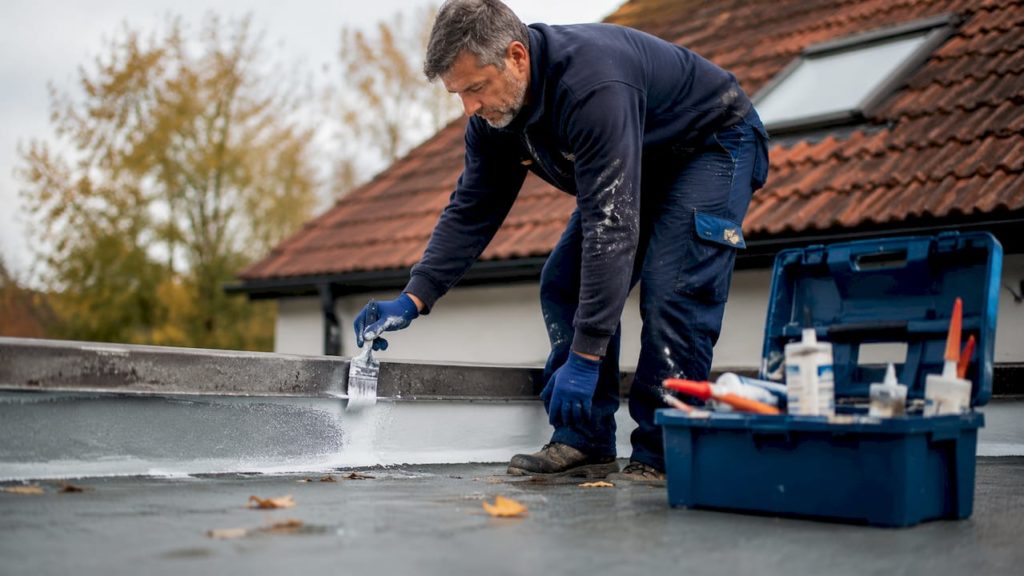
A waterproof sealant for flat roofs is a specialised liquid-applied coating that cures into a seamless, flexible membrane, preventing water ingress even under prolonged standing water. Unlike pitched roofs that shed rain naturally, flat roofs accumulate water at low points, making the choice of sealant a structural decision rather than a cosmetic one. Products such as GacoFlex silicone and ARBOFLEX polyurethane represent the current standard in flat roof waterproofing, offering flexibility across extreme temperature ranges and compatibility with multiple substrates. Get this decision wrong and you face recurring leaks, accelerated deck deterioration, and repair bills that dwarf the original cost of a quality coating.
What types of waterproof sealant work best on flat roofs?
The industry recognises four principal categories of waterproof coatings for roofs: silicone, polyurethane, bitumen-based, and acrylic. Each performs differently depending on drainage conditions, substrate type, and climate exposure.
Silicone coatings
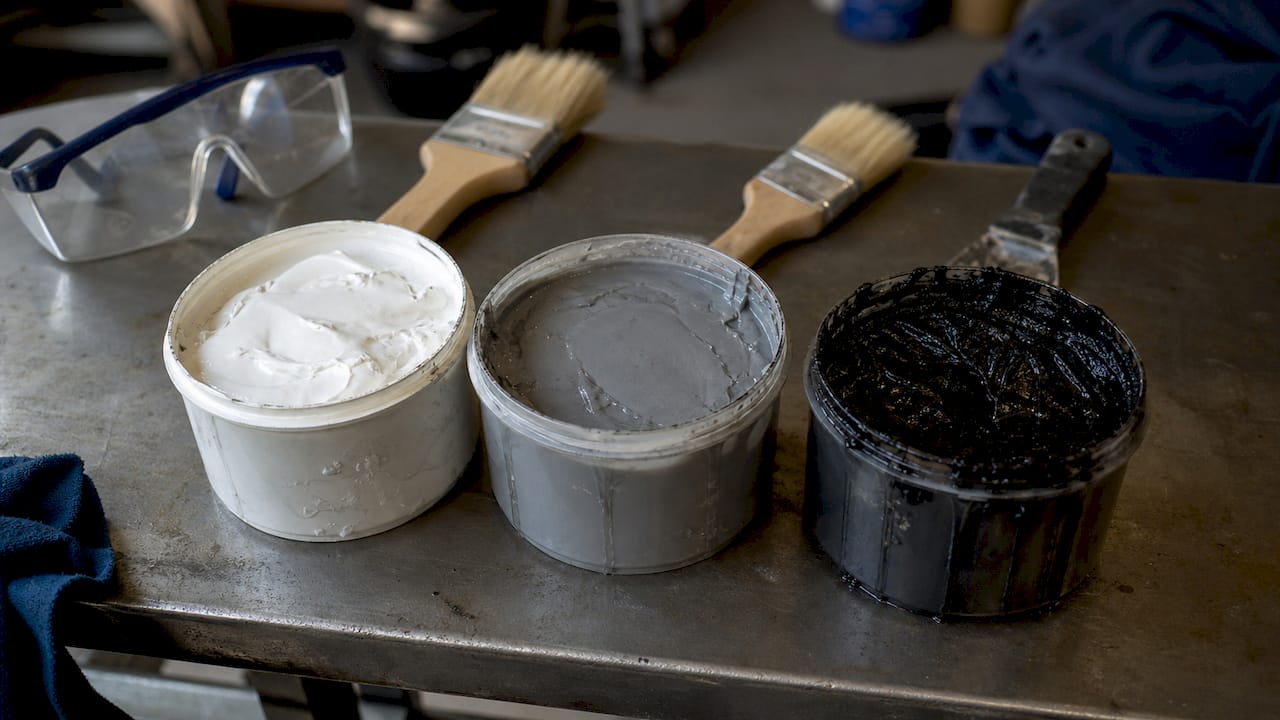
Silicone-based coatings are the strongest performer on flat roofs with drainage problems. They are 100% resistant to ponding water and remain flexible from -40°C to 90°C, which means freeze-thaw cycles do not crack or delaminate the membrane. GacoFlex, distributed in the UK by Duratite, maintains a high solids content above 95%, producing a consistent dry thickness of 20 to 22 mils with minimal shrinkage. That combination of solids content and flexibility is what separates roof-grade silicone from the general-purpose tubes sold in hardware shops.
Polyurethane coatings
Cold-applied polyurethane liquids such as ARBOFLEX PU from CCM Europe are applied without hot works, making them suitable for occupied buildings and rooftops with dense mechanical equipment. They bond to a wide range of substrates and deliver excellent elasticity, tolerating structural movement without cracking. Polyurethane systems also function as overlays over existing membranes, provided the substrate is structurally sound, which avoids costly strip-outs and reduces waste.
Bitumen-based and acrylic coatings
Bitumen-based sealants suit traditional felt roofs and are widely available, but they become brittle in cold weather and require periodic re-coating. Acrylic coatings are the weakest option for flat roofs with any drainage concern. Acrylic coatings soften and blister under prolonged ponding, making them unsuitable as a long-term flat roof repair solution where water sits for more than a few hours after rainfall.

| Sealant type | Best substrate | Ponding resistance | Durability | Relative cost |
|---|---|---|---|---|
| Silicone (e.g. GacoFlex) | Most membranes, concrete | Excellent | 15 to 25 years | High |
| Polyurethane (e.g. ARBOFLEX PU) | Felt, bitumen, concrete, metal | Good | 10 to 20 years | Medium to high |
| Bitumen-based | Felt, bitumen | Moderate | 5 to 10 years | Low to medium |
| Acrylic | Concrete, some membranes | Poor | 3 to 7 years | Low |
How to choose the right sealant for your roof material
Substrate compatibility is the single most important factor when selecting a premium flat roof sealant. Applying the wrong product does not simply reduce performance. It can actively damage the existing membrane and void any manufacturer warranty.
The key substrates and their requirements are:
- Felt and bitumen roofs: Bitumen-compatible polyurethane or bitumen-based sealants are the standard choice. Cold-applied polyurethane systems like ARBOFLEX PU are preferred because they eliminate the fire risk associated with hot bitumen application.
- EPDM rubber membranes: EPDM-compatible sealants are essential for rubber membranes. General silicone products can swell or degrade EPDM, causing the membrane to lift and fail at seams.
- TPO membranes: TPO is sensitive to solvent-based products. Water-based or specifically formulated silicone coatings are required, and adhesion testing is non-negotiable before full application.
- Metal roofs: Silicone coatings bond well to prepared metal surfaces and accommodate thermal expansion effectively.
- Concrete decks: Both silicone and polyurethane systems perform well on concrete, provided the surface is clean, dry, and free of laitance.
Beyond substrate type, assess the overall condition of the roof before purchasing any product. Sealants cannot compensate for a structurally unsound roof. Rot, deck deflection, or delaminated insulation must be repaired first. Coating over a compromised deck traps moisture and accelerates decay beneath the membrane.
Pro Tip: Always perform an adhesion test on a small, inconspicuous area of the roof at least 24 hours before full application. Test in multiple locations, particularly around flashings and low points, to identify any pockets of incompatibility before you commit to coating the entire surface.
For a broader comparison of products suited to different roof types, Prowaterproofing’s guide on best flat roof waterproofing covers the 2026 product landscape in detail.
How to apply and maintain waterproof coatings on flat roofs
Correct application determines whether a quality product delivers its rated lifespan or fails within two seasons. The process is methodical and non-negotiable.
- Clean the surface thoroughly. Remove all dirt, moss, algae, and loose material using a pressure washer or stiff brush. Any contamination prevents proper adhesion and creates weak points in the finished membrane.
- Allow the surface to dry completely. Moisture trapped beneath the coating causes blistering and delamination. In South African conditions, a minimum of 48 hours of dry weather is advisable before application. In cooler or more humid climates, allow longer.
- Repair all visible damage. Fill cracks, re-bed lifted flashings, and address any areas of standing water by improving drainage or building up low spots with a compatible filler.
- Apply primer if specified. Many silicone and polyurethane systems require a primer coat on porous or previously coated substrates. Follow the manufacturer’s data sheet precisely.
- Apply the sealant at the correct rate. Professional application rates for high-performance silicone coatings are typically 1.5 gallons per 100 square feet, with tack-free times ranging from 1 to 8 hours and full cure between 8 and 72 hours depending on temperature and humidity. Applying too thinly reduces the dry film thickness below the rated minimum, which compromises ponding resistance.
- Apply a second coat where required. Most manufacturers specify two coats for full waterproofing performance. Apply the second coat perpendicular to the first to eliminate pinholes.
Pro Tip: Avoid application when rain is forecast within 4 hours or when surface temperatures exceed 50°C. Hot surfaces cause silicone coatings to skin prematurely, trapping solvents and reducing adhesion. Early morning application during summer months produces the most consistent results.
Once the coating is cured, maintenance is straightforward but must be scheduled. Inspect the roof twice yearly, in spring and autumn, checking for ponding areas, cracked flashings, and any signs of membrane lift. Clear drains and gutters before each inspection. White silicone coatings reflect up to 85% of solar radiation, reducing thermal stress on the membrane and extending service life. This reflectivity also lowers interior temperatures, which is a measurable energy saving in warmer climates. For a step-by-step maintenance framework, Prowaterproofing’s article on roof waterproofing steps provides a practical inspection checklist.
Common mistakes that cause flat roof sealant failures
Most flat roof waterproofing failures trace back to a small number of avoidable errors. Recognising them before you start saves significant expense.
- Using general-purpose silicone from a tube. General-purpose silicone sealants are not formulated for flat roof application. They fail under ponding water and do not bond reliably to roofing membranes. Roof-grade silicone coatings differ fundamentally in composition, solids content, and UV resistance.
- Ignoring structural problems beneath the membrane. Coating over a soft or rotted deck is the most expensive mistake a property owner can make. The sealant will fail within months, and the underlying damage will have worsened.
- Applying in unsuitable conditions. Cold temperatures slow cure times significantly. Damp or frost-covered surfaces prevent adhesion entirely. Many products specify a minimum application temperature of 5°C and a maximum relative humidity of 85%.
- Treating sealant as a substitute for drainage improvement. A coating tolerates ponding water. It does not eliminate the structural load or biological growth that standing water causes. Address drainage first, then seal.
- Skipping professional inspection. A qualified waterproofing contractor can identify hidden deck damage, incorrect falls, and flashing failures that are invisible from ground level.
“A sealant applied over an unresolved structural problem is not a repair. It is a delay. The water will find a way through, and the cost of the second repair will always exceed the cost of doing it correctly the first time.”
For real-world examples of flat roof solutions applied across varying weather conditions, the case studies from Elevated Roofing and Siding illustrate how preparation decisions affect long-term outcomes.
Key takeaways
Silicone-based coatings are the most durable waterproof sealant for flat roofs with drainage issues, but substrate compatibility and thorough surface preparation determine whether any product succeeds or fails.
| Point | Details |
|---|---|
| Silicone outperforms acrylics | Silicone coatings resist ponding water indefinitely; acrylics blister and fail within years. |
| Substrate compatibility is critical | Always match the sealant to the membrane type, whether EPDM, TPO, felt, or concrete. |
| Adhesion testing prevents failure | Test in multiple roof areas before full application to identify incompatible zones. |
| Structural soundness comes first | Repair deck rot and drainage issues before applying any coating. |
| Maintenance extends service life | Twice-yearly inspections and drain clearing protect the membrane investment long-term. |
Why preparation matters more than product choice
I have reviewed enough flat roof failures to say this plainly: the product is rarely the problem. Property owners spend considerable time comparing GacoFlex against ARBOFLEX PU or debating silicone versus polyurethane, and then apply the chosen product over a dirty, damp, or structurally compromised surface. The coating fails. The product gets blamed. The real cause was preparation.
Sherwin-Williams, which manufactures the GacoFlex range, publishes detailed application data sheets for a reason. Those documents specify surface moisture limits, primer requirements, and minimum film thickness because every one of those variables has caused a field failure at some point. When I see a property owner skip the adhesion test because the roof “looks fine,” I know we are likely to have a follow-up conversation about remedial work within 18 months.
The other point I would press on is reflectivity. In South African conditions, where UV intensity is high and summer roof surface temperatures routinely exceed 70°C, a white silicone coating is not a luxury specification. It is a practical decision that reduces thermal cycling stress on the membrane and cuts cooling loads inside the building. The energy savings from reflective coatings compound over the life of the roof in a way that makes the premium cost of silicone look modest by comparison.
Choose your product carefully. Prepare your surface meticulously. Then inspect the result every six months. That sequence, followed consistently, is what separates a 20-year membrane from a 5-year problem.
— Eben
How Prowaterproofing can help with your flat roof

Prowaterproofing offers professional flat roof waterproofing services across South Africa, covering residential, commercial, and industrial properties. The team works with premium silicone and polyurethane coating systems, matched to your specific roof substrate and condition. Every project begins with a thorough site assessment to identify structural issues, drainage problems, and the most compatible waterproofing product for your roof. Professional installation comes with material and workmanship warranties, giving you documented protection rather than a hope that the product holds. If you are ready to stop managing leaks and start protecting your asset properly, contact Prowaterproofing for a personalised quote and site assessment.
FAQ
What is the best waterproof sealant for a flat roof?
Silicone-based coatings such as GacoFlex are the best sealants for flat roofs with drainage issues because they are fully resistant to ponding water and remain flexible across extreme temperatures. Polyurethane systems like ARBOFLEX PU are the preferred alternative for complex substrates or rooftops where hot works are not permitted.
Can I apply a flat roof sealant myself?
Small repairs with roof-grade silicone products are achievable for competent DIY applicators, but full roof coating requires correct surface preparation, application rate control, and adhesion testing. Errors in any of these steps reduce the coating’s lifespan significantly, making professional application the lower-risk option for larger areas.
How long does a waterproof coating last on a flat roof?
A properly applied silicone coating lasts 15 to 25 years with biannual maintenance inspections. Polyurethane systems typically deliver 10 to 20 years. Bitumen and acrylic coatings have shorter service lives and require more frequent re-coating.
Does a flat roof sealant work on EPDM rubber membranes?
Only EPDM-compatible coatings should be applied to rubber membranes. General silicone products can degrade EPDM and cause seam failures. Always confirm compatibility with the manufacturer’s data sheet and perform an adhesion test before full application.
How do I know if my flat roof needs resealing?
Signs that a flat roof requires resealing include visible cracking or blistering of the existing membrane, water stains on interior ceilings, persistent ponding after rainfall, and membrane edges that have lifted away from flashings. A professional inspection will confirm whether resealing or partial repair is sufficient, or whether structural remediation is needed first. Prowaterproofing’s guide on how to waterproof flat roofs covers the diagnostic process in detail.